
Bringing Montessori Home This Summer: Meaningful Learning Beyond the Classroom
Summer is a wonderful time for children to slow down, explore their interests, and develop independence in new ways. While every child deserves time to rest and play, Montessori families often ask, "How can we keep learning alive during the summer months without making it feel like school?"
The good news is that Montessori learning is easily adapted to simple at home activities using materials you likely already have around the house. In fact, some of the most meaningful learning happens through everyday experiences. The Montessori philosophy encourages children to learn by doing, explore the world around them, and contribute meaningfully to their family and community.
Here are some Montessori-inspired ideas to help your child continue growing all summer long.
Montessori Principles to Practice at Home
Follow the Child
Observe what naturally interests your child and build activities around those interests. A child fascinated by insects might enjoy nature walks, field guides, and creating a bug journal.
Foster Independence
Give children opportunities to do things for themselves. Allow extra time for dressing, preparing snacks, caring for belongings, and contributing to household tasks.
Embrace Real-Life Experiences
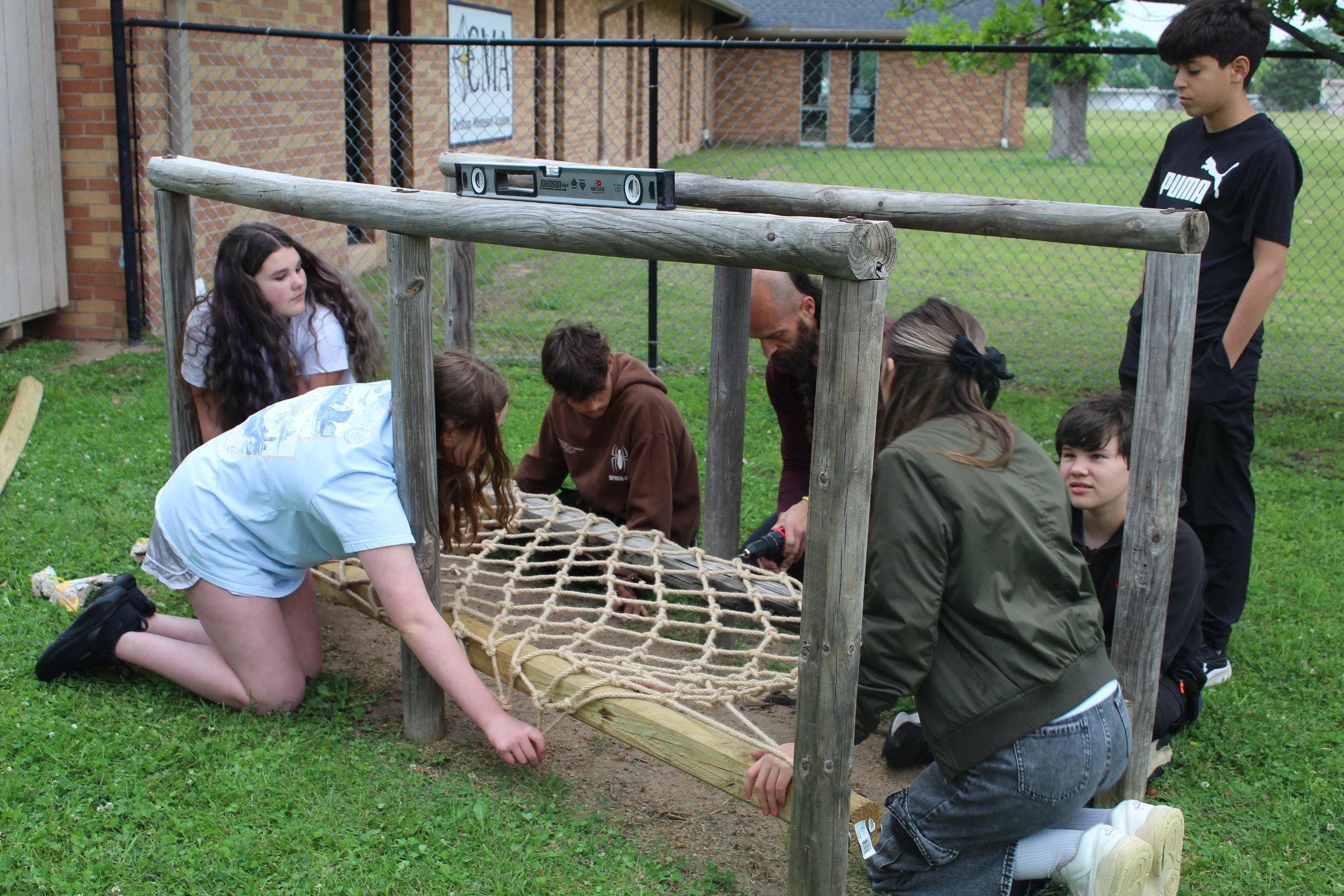
Children learn best through meaningful work. Cooking, gardening, organizing, caring for pets, and helping with home projects all build valuable skills.
Limit Entertainment, Increase Engagement
Rather than relying on screens to fill free time, create opportunities for exploration, creativity, and hands-on learning.
Spend Time in Nature
Nature offers endless opportunities for observation, movement, science, and wonder. Daily outdoor time is one of the greatest gifts of summer.
Ages 3–6: Learning Through the Senses
Children in this stage thrive on movement, repetition, and practical life experiences.
Practical Life
Materials
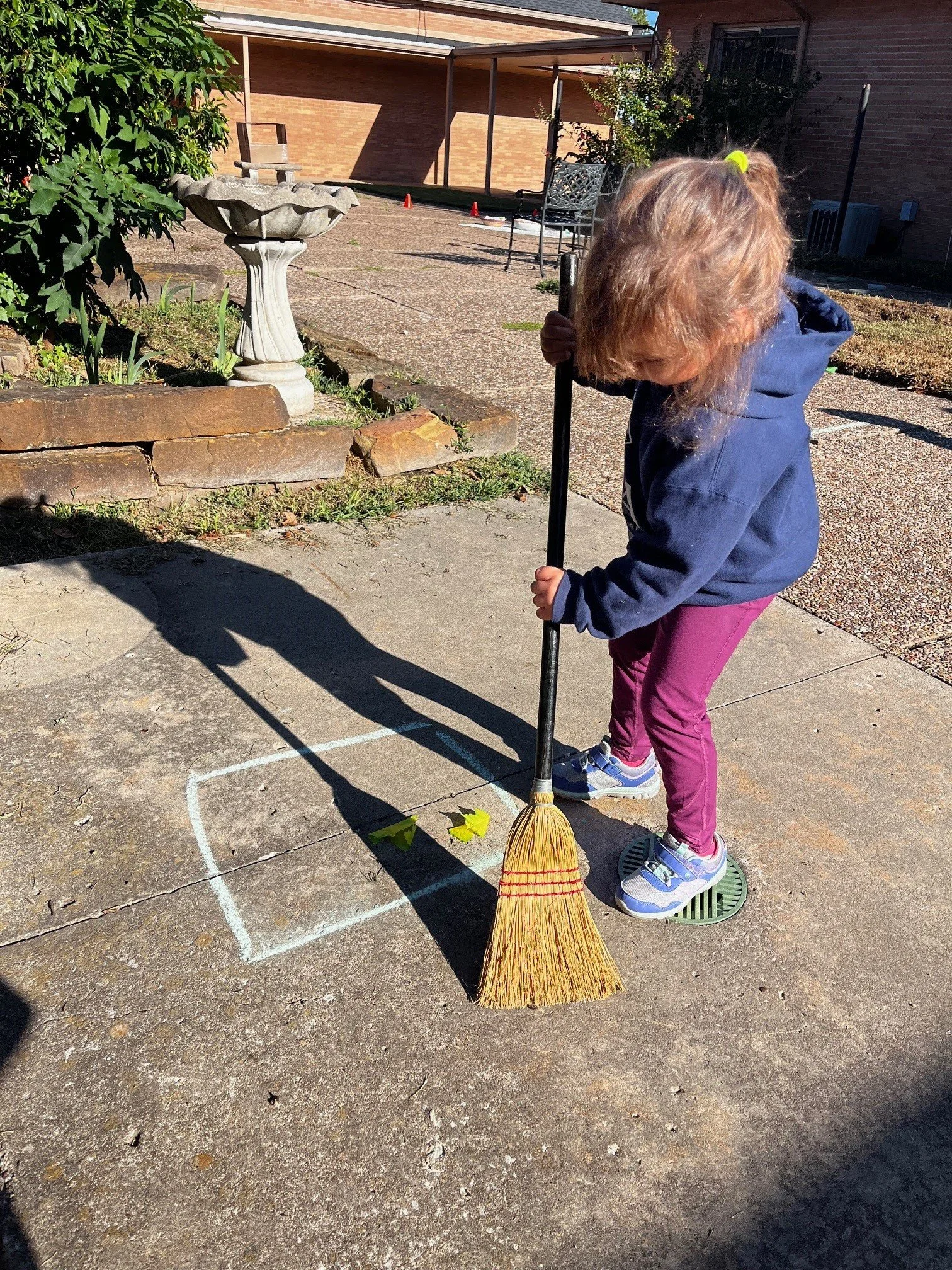
Child-sized broom and dustpan
Spray bottle and cloth
Small watering can
Vegetable peeler
Tongs and tweezers
Pitchers for pouring
Projects
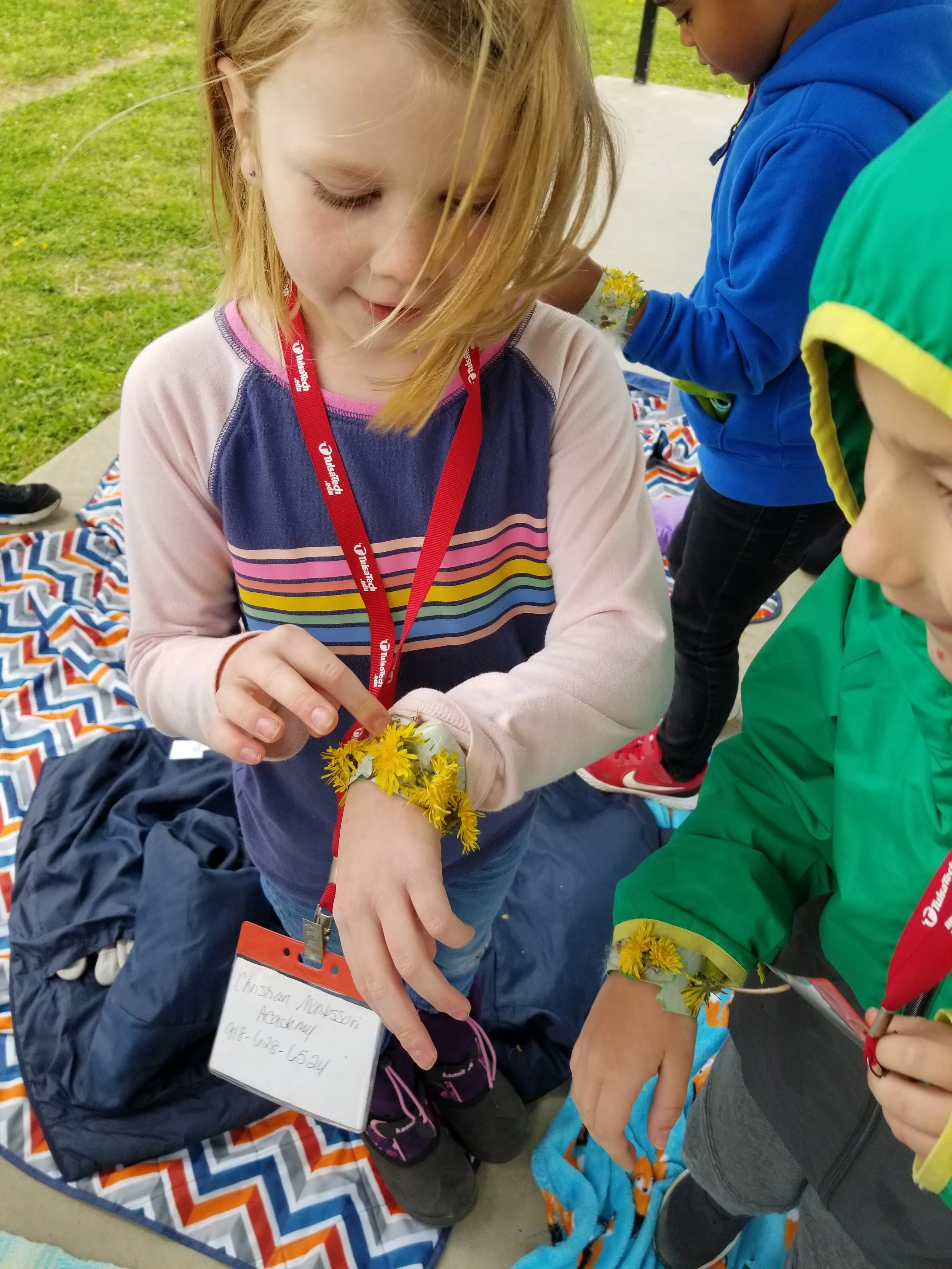
Create a flower-arranging station using flowers from the yard.
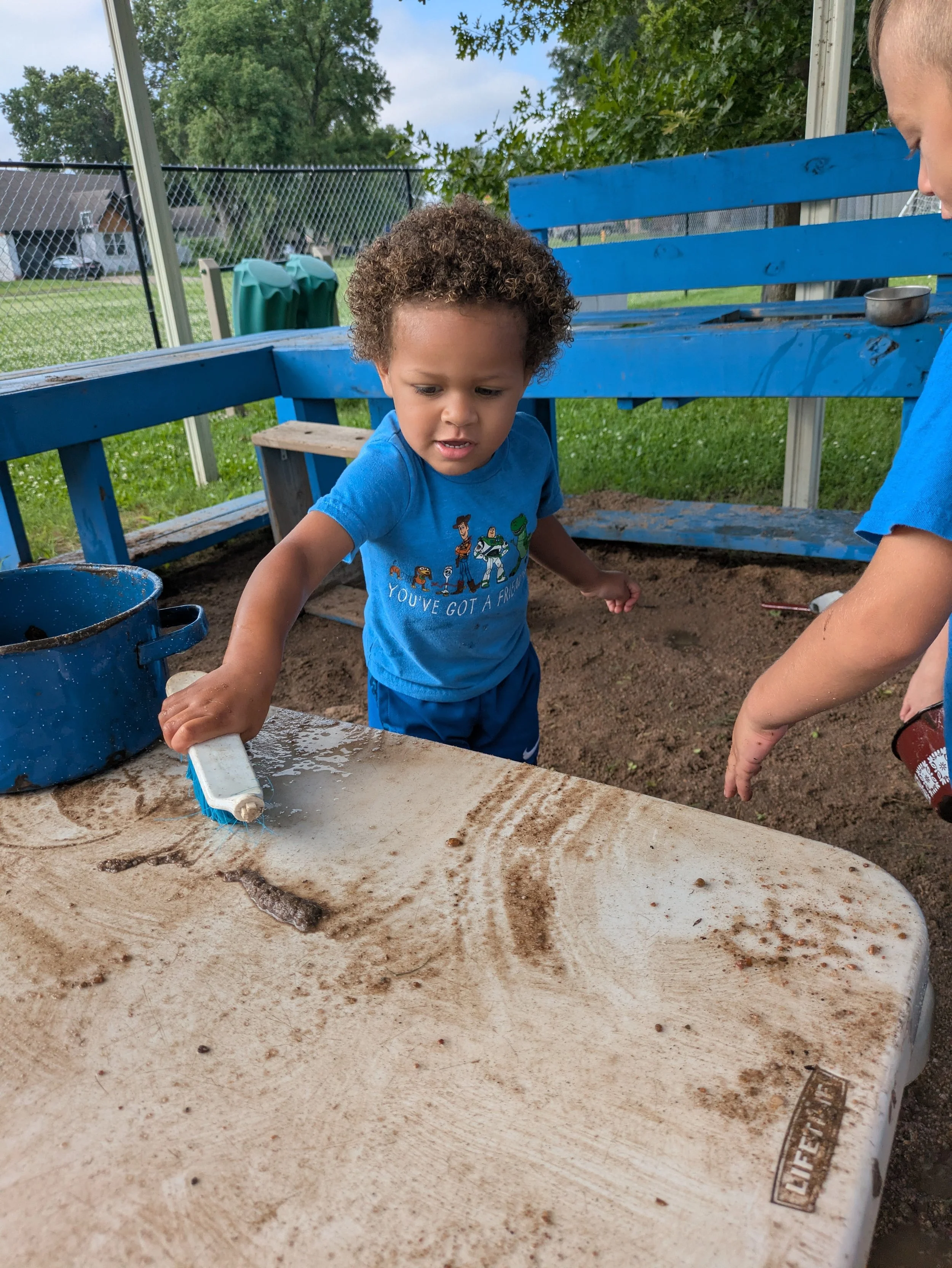
Wash outdoor toys independently.
Prepare a fruit salad for the family.
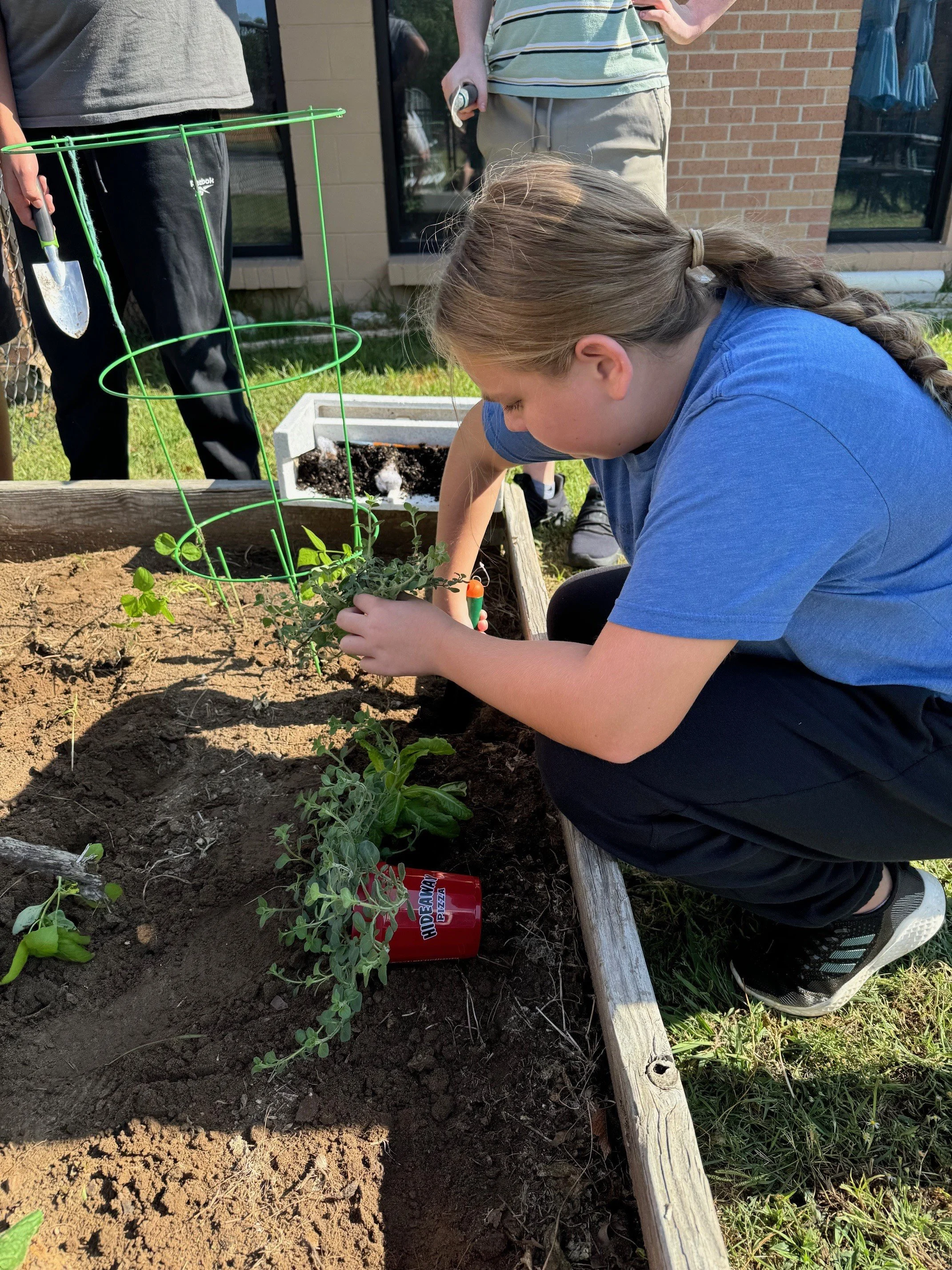
Care for a small herb garden.
Set the table for meals every day.
Language
Materials
Alphabet magnets
Sand tray for letter writing
Library books
Labels and sticky notes
Family photo album
Projects
Make a family photo book and write names together.
Create a summer nature journal with drawings and labels.
Go on a letter hunt around the neighborhood.
Write simple labels for household items.
Math
Materials
Seashells, rocks, buttons, or beads
Measuring cups and spoons
Dominoes
Dice
Muffin tins for sorting
Projects
Count and sort nature treasures.
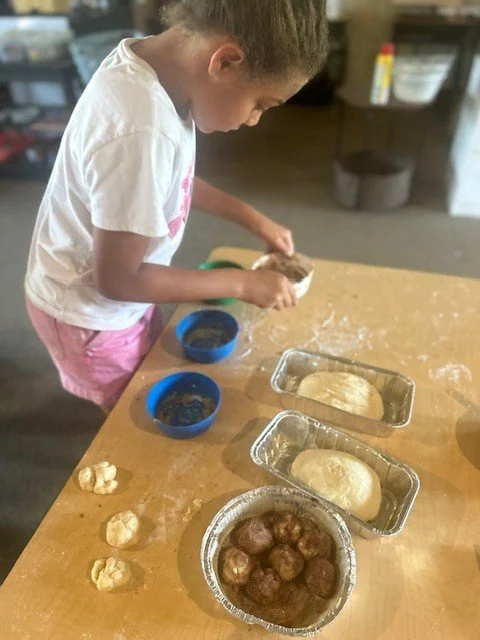
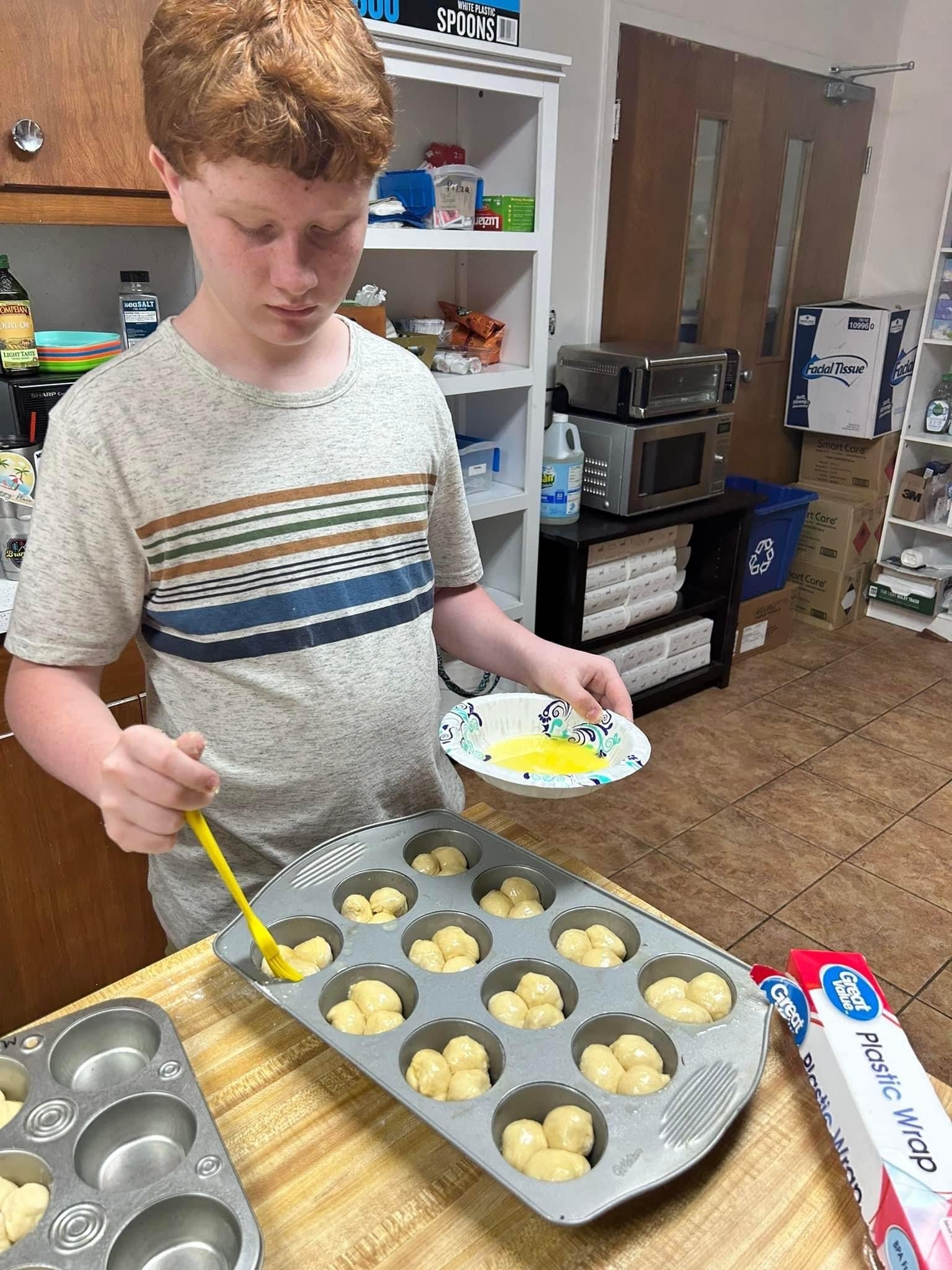
Measure ingredients while baking muffins.
Create patterns using shells and rocks.
Count steps between rooms and compare distances.
Science & Nature
Materials
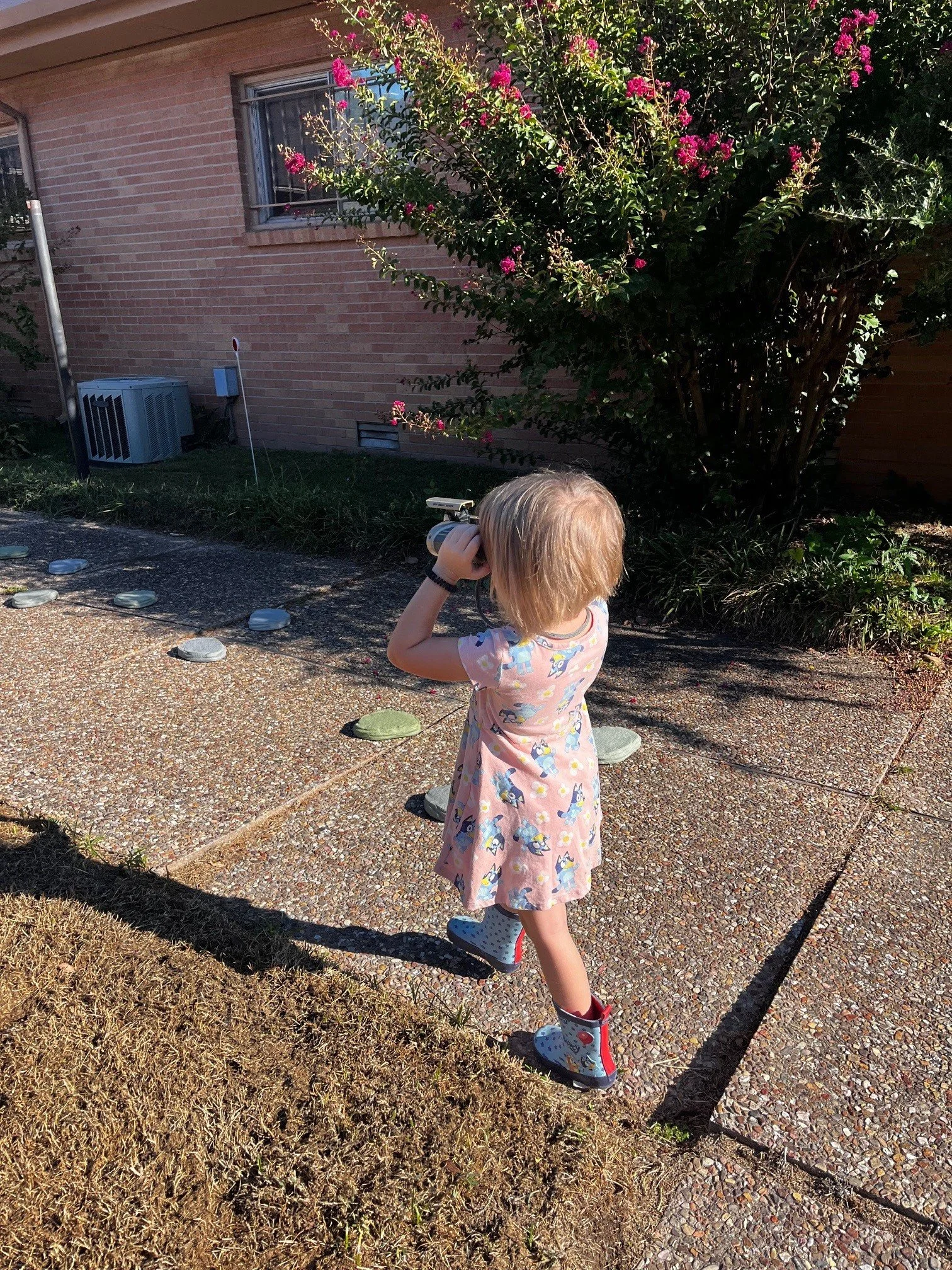
Magnifying glass
Bug catcher
Nature basket
Bird identification guide
Projects
Build a nature collection tray.
Observe ants or butterflies and record observations.
Plant sunflower seeds and measure growth weekly.
Create bark rubbings from different trees.
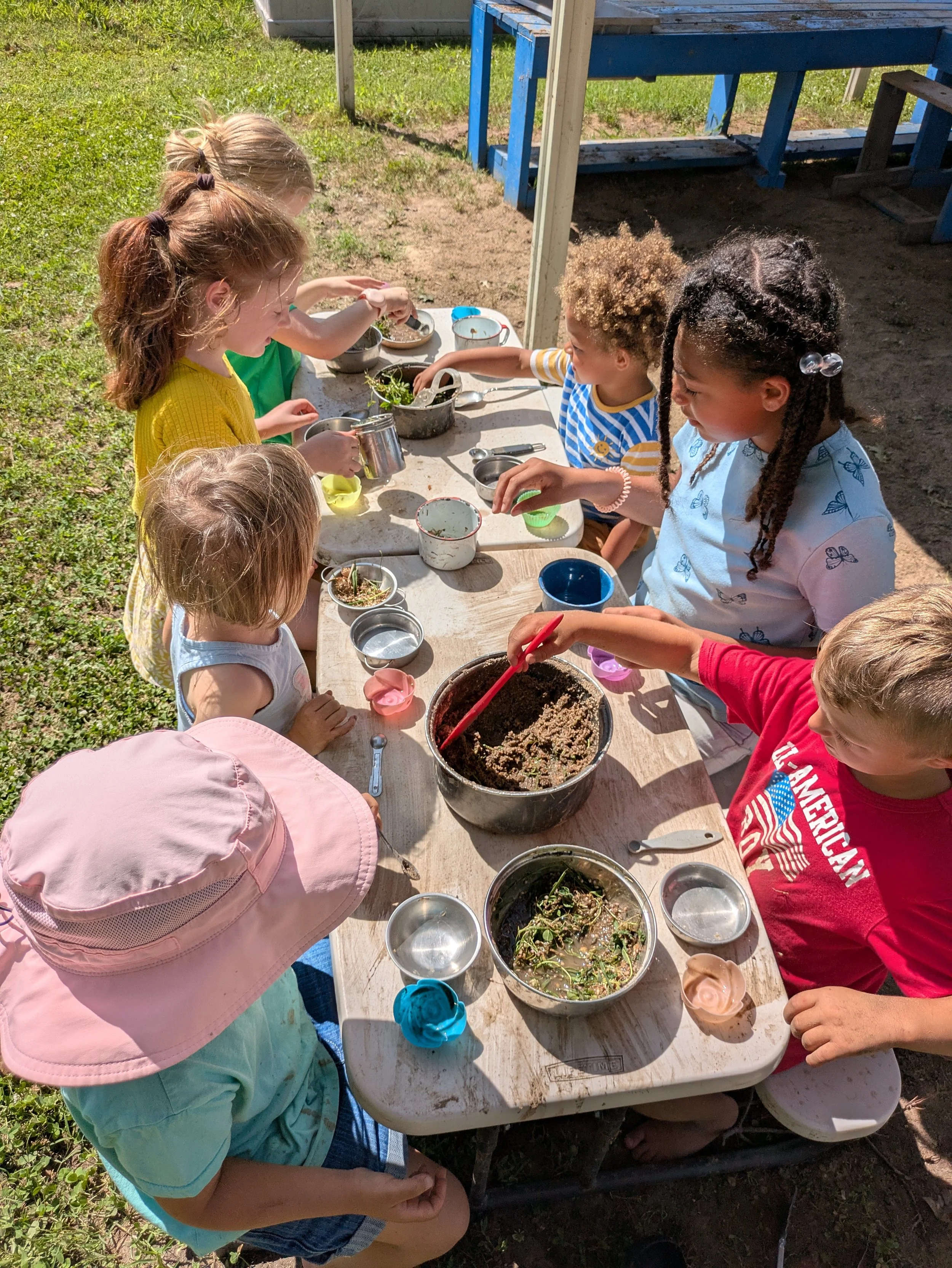
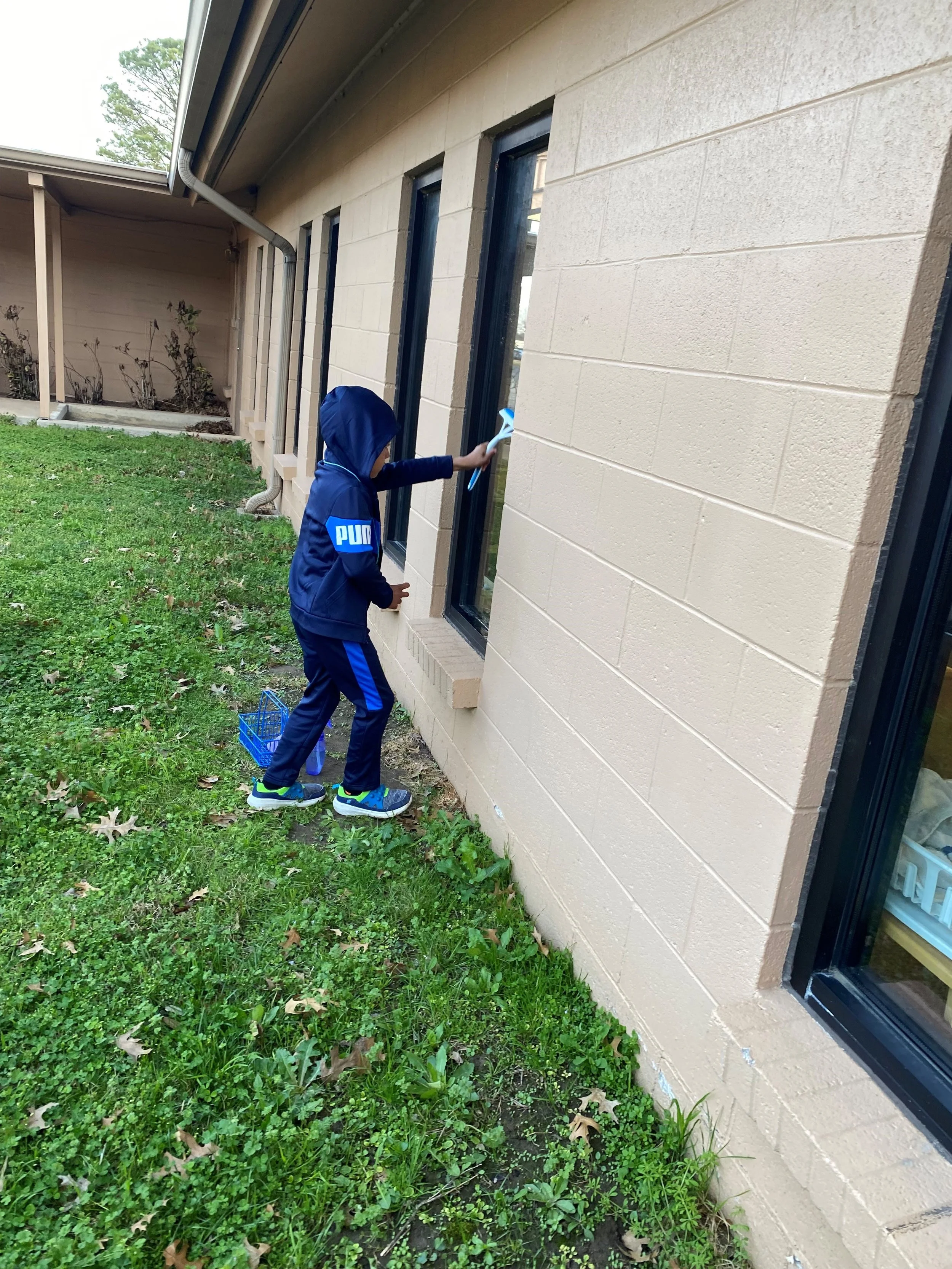
Ages 6–9: Curiosity and Discovery
Elementary children are eager to explore how the world works and connect ideas.
Practical Life
Materials
Recipe cards
Gardening tools
Sewing kit
Measuring tape
Projects
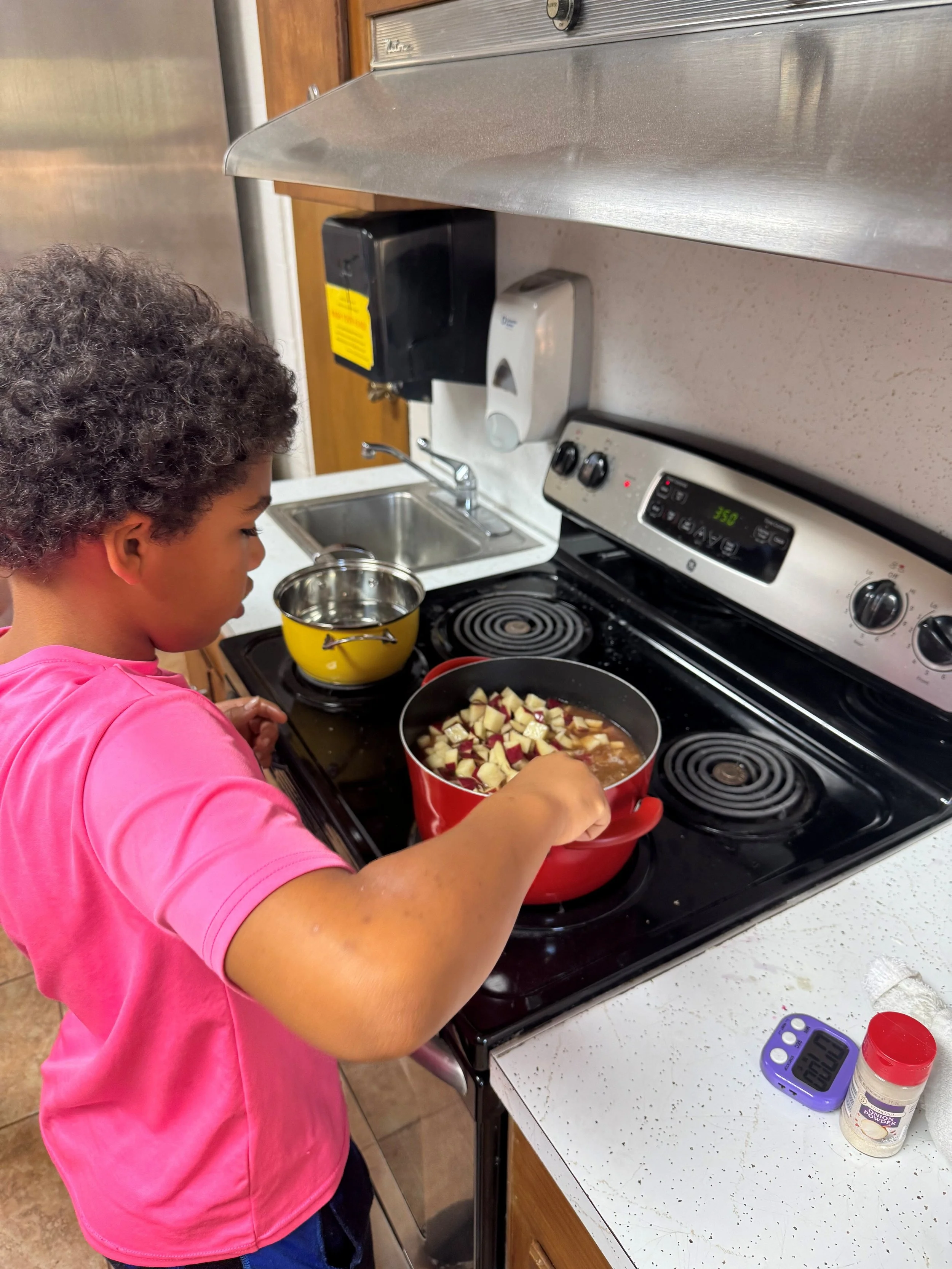
Plan and cook a simple family dinner.
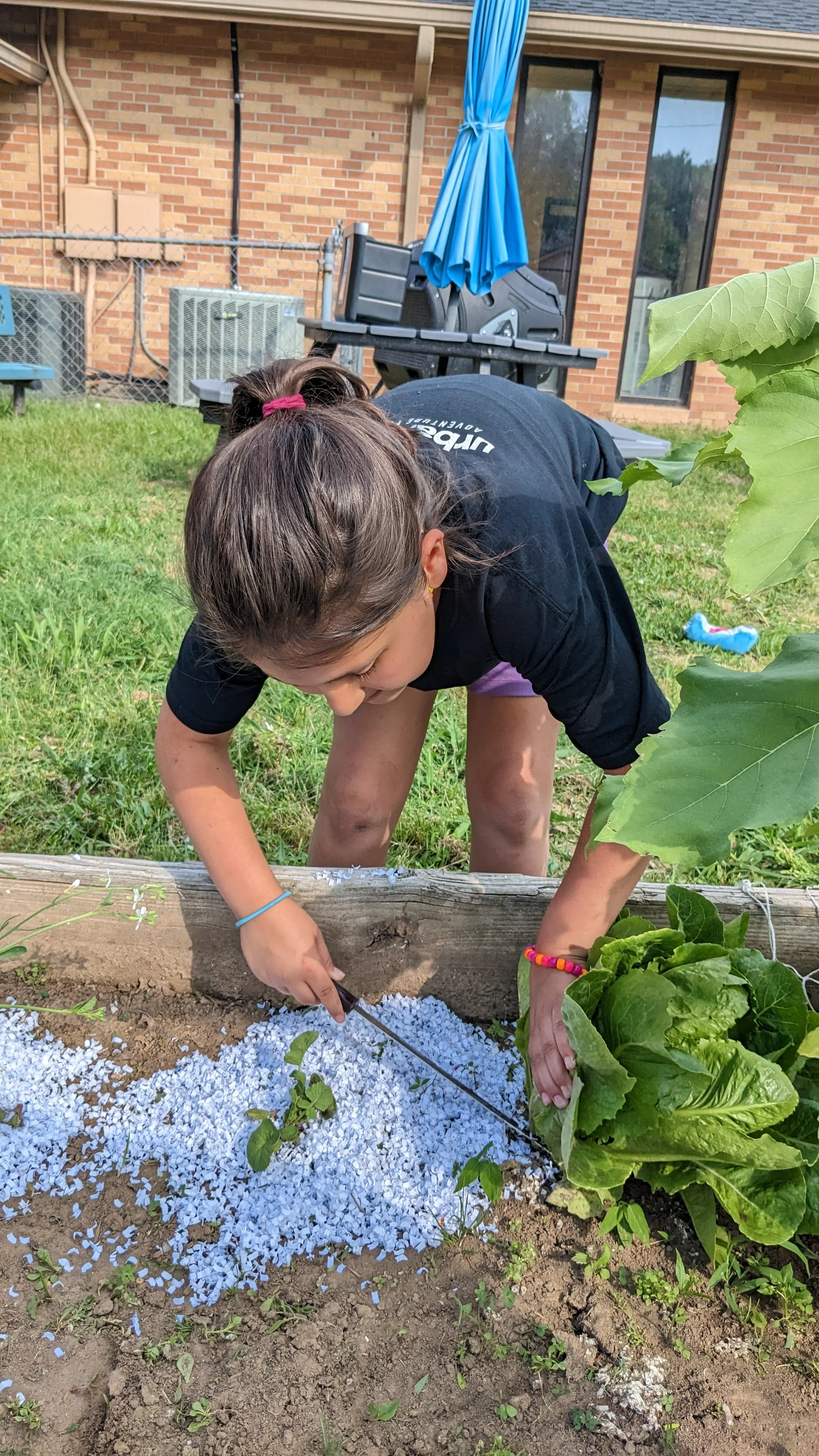
Grow vegetables in containers.
Sew a pillow or drawstring bag.
Build a bird feeder.
Language
Materials
Chapter books
Journal notebook
Stationery for letter writing
Comic strip templates
Projects
Create a comic book featuring a summer adventure.
Write letters to relatives and mail them.
Start a summer reading challenge.
Research a favorite animal and make a poster.
Math
Materials
Graph paper
Ruler
Measuring tape
Calculator
Projects
Measure and graph rainfall.
Design a dream bedroom to scale.
Create a lemonade stand budget.
Compare grocery prices during shopping trips.
Science & Cultural Studies
Materials
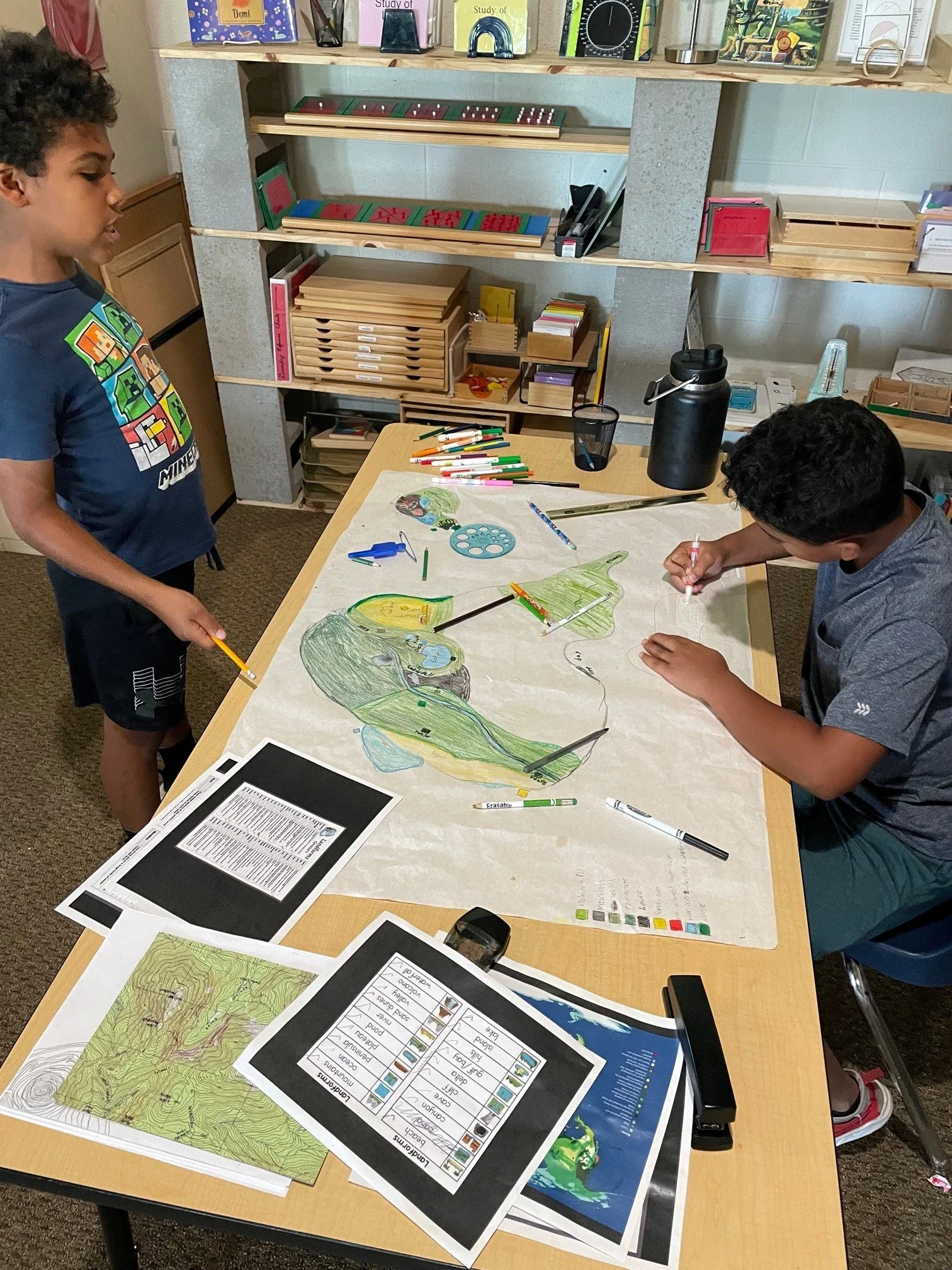
World map
Globe
Science experiment kit
Field guides
Projects
Choose a country and learn about its food, language, and traditions.
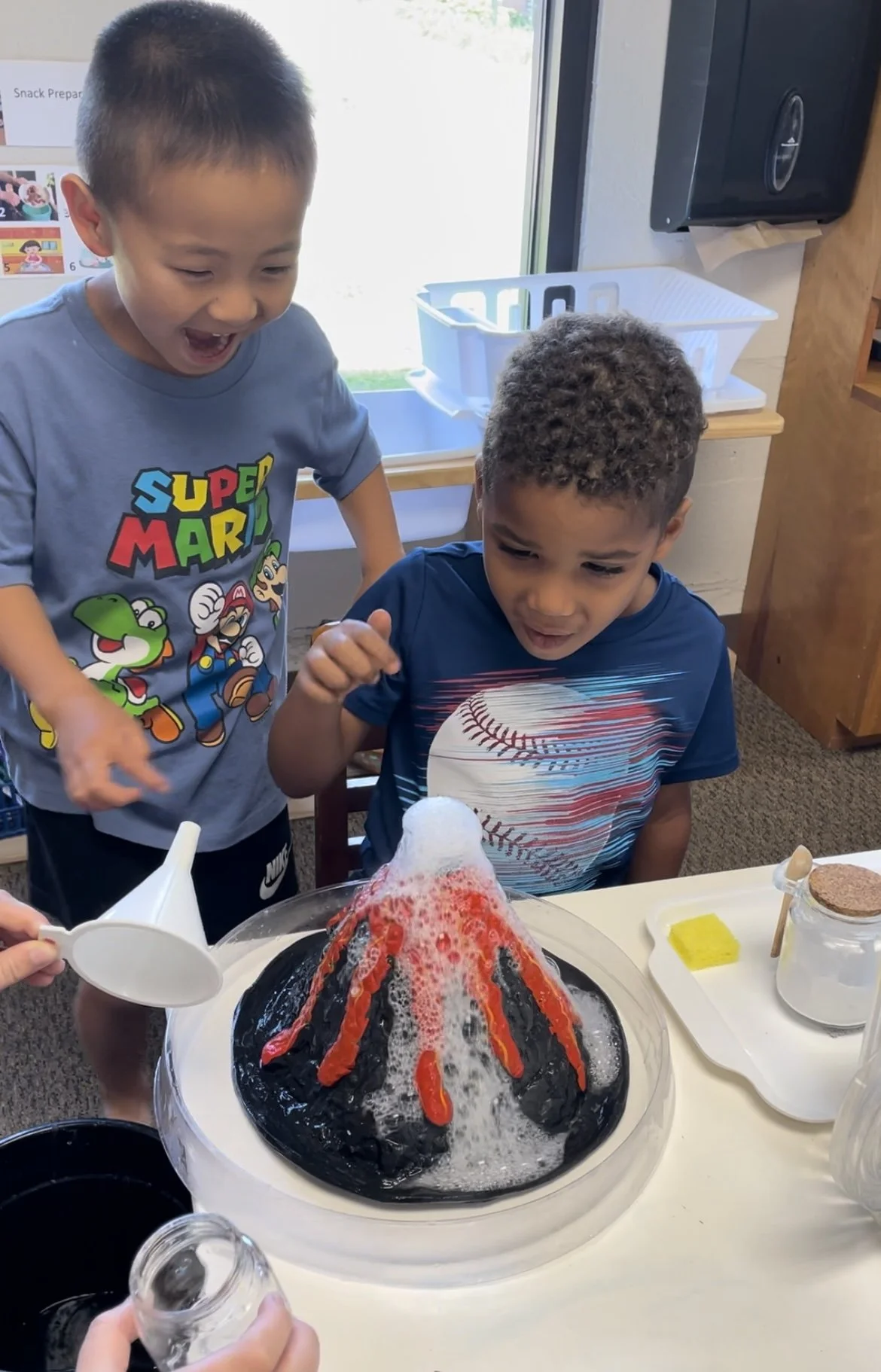
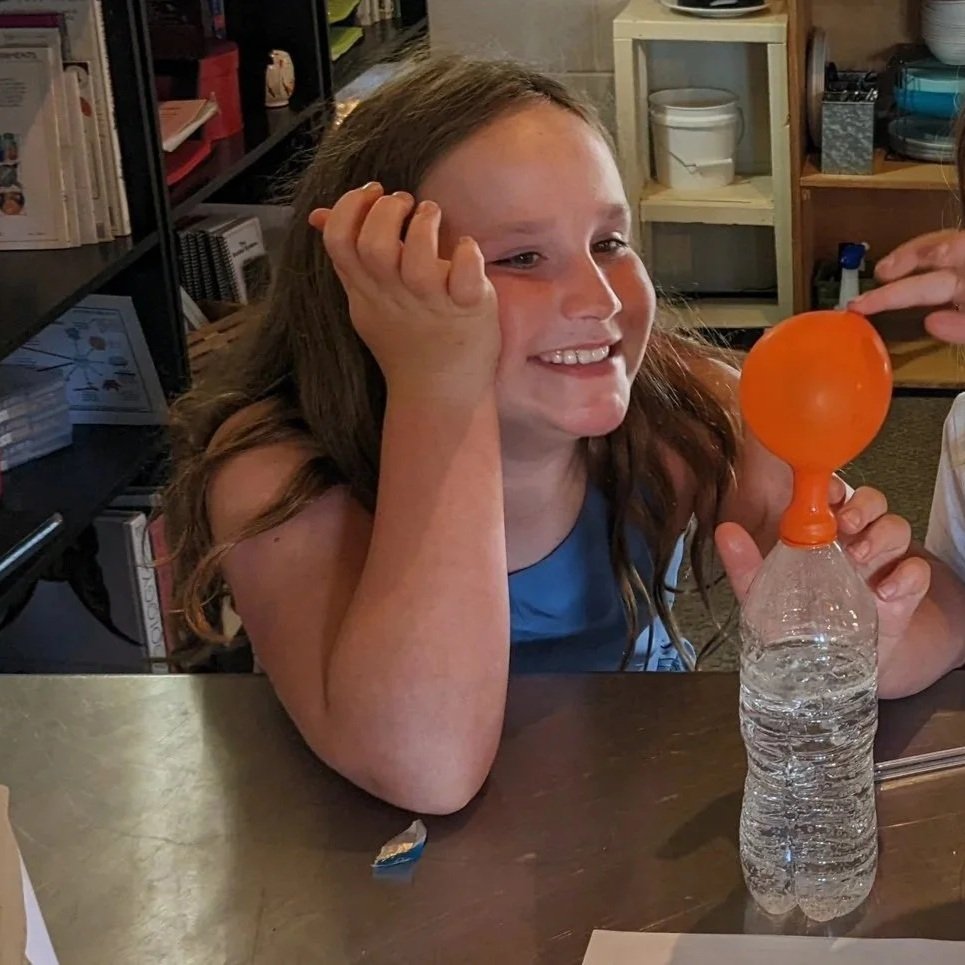
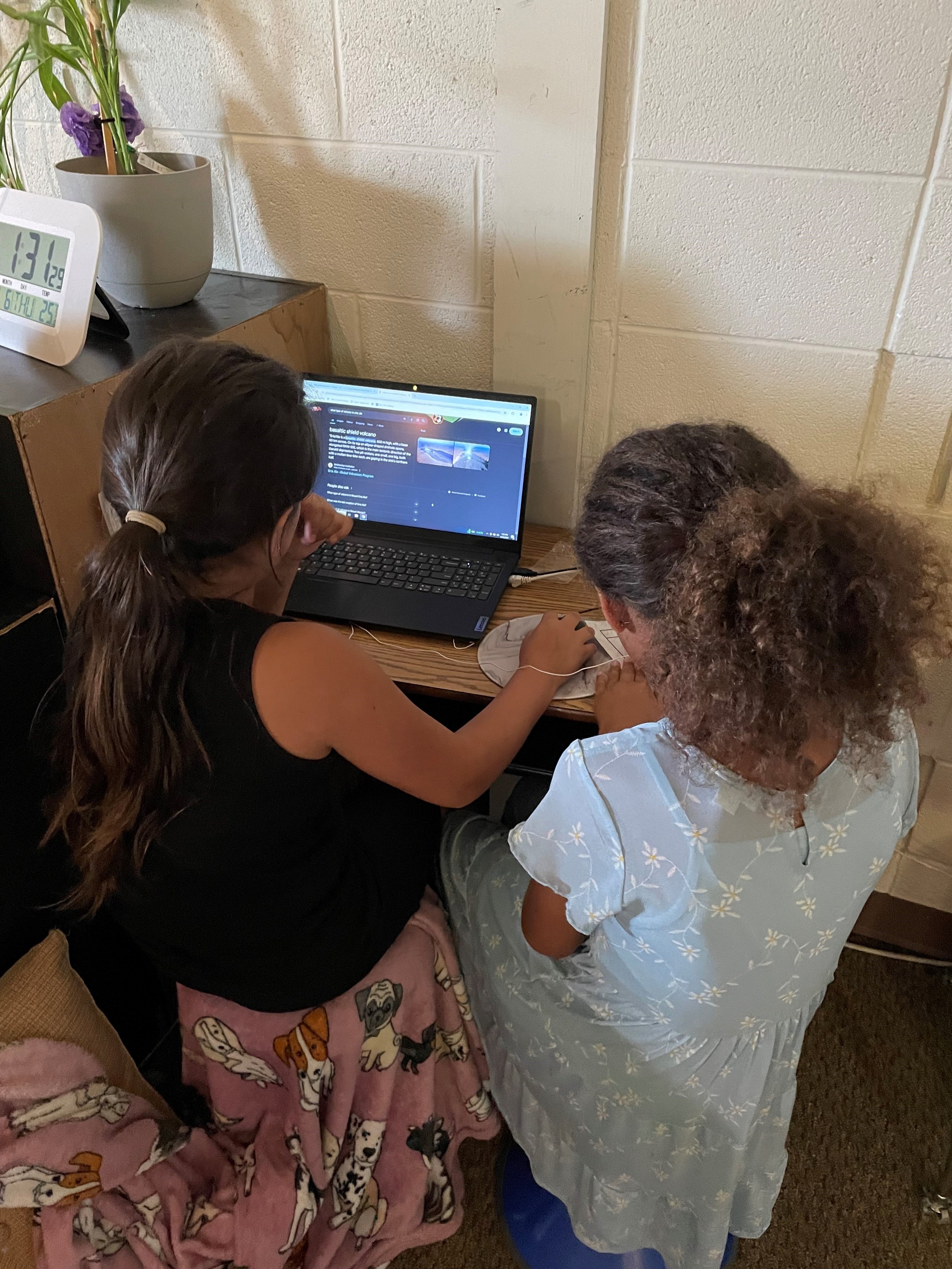
Build a simple volcano model.
Create a moon-phase calendar.
Conduct a seed germination experiment.
Ages 9–12: Building Responsibility and Purpose
Children at this age enjoy meaningful projects and increasing responsibility.
Practical Life
Materials
Gardening tools
Basic tool kit
Cookbooks
Planner or calendar
Projects
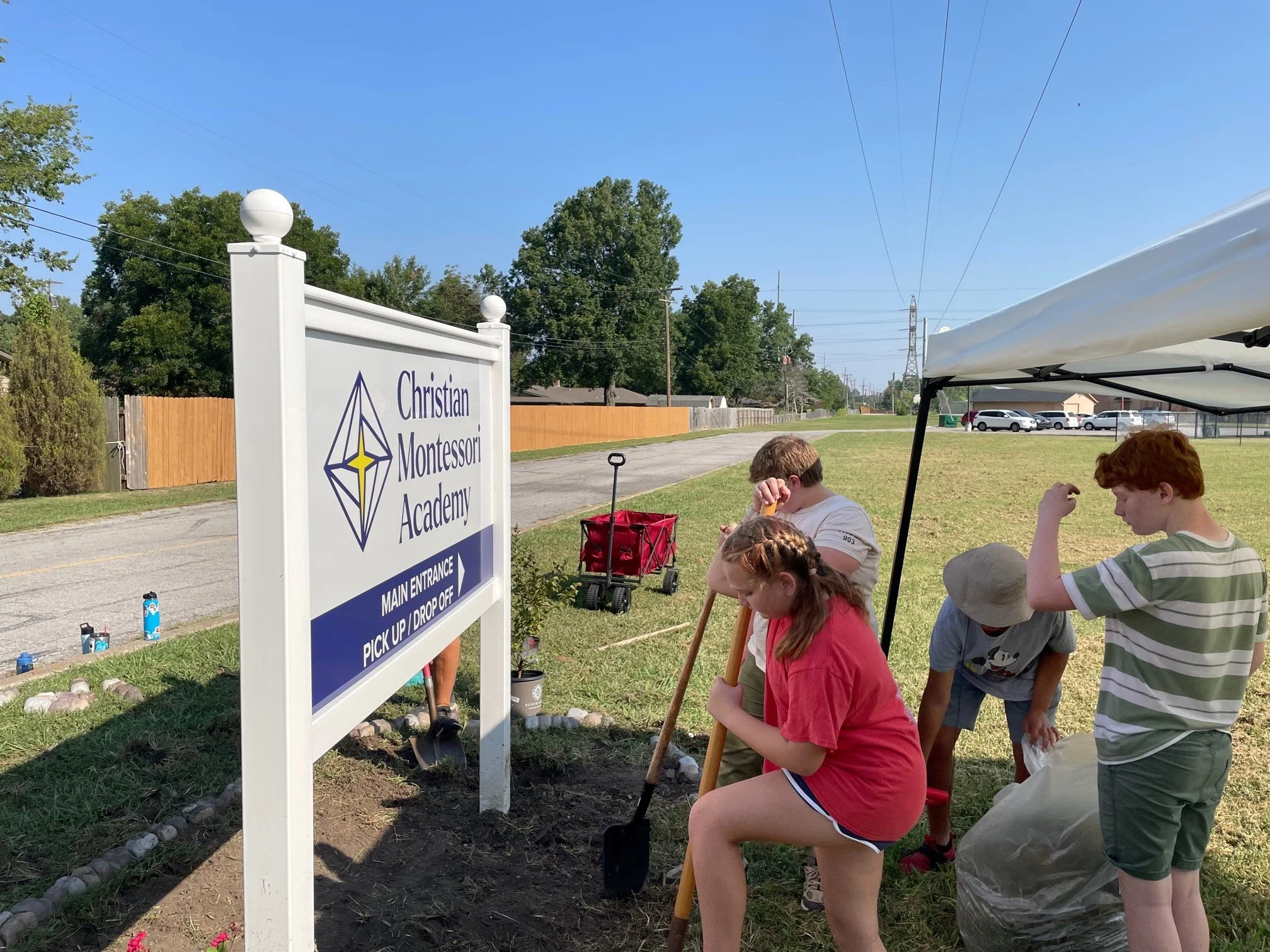
Design and maintain a garden bed.
Plan and prepare one family meal each week.
Organize a garage sale.
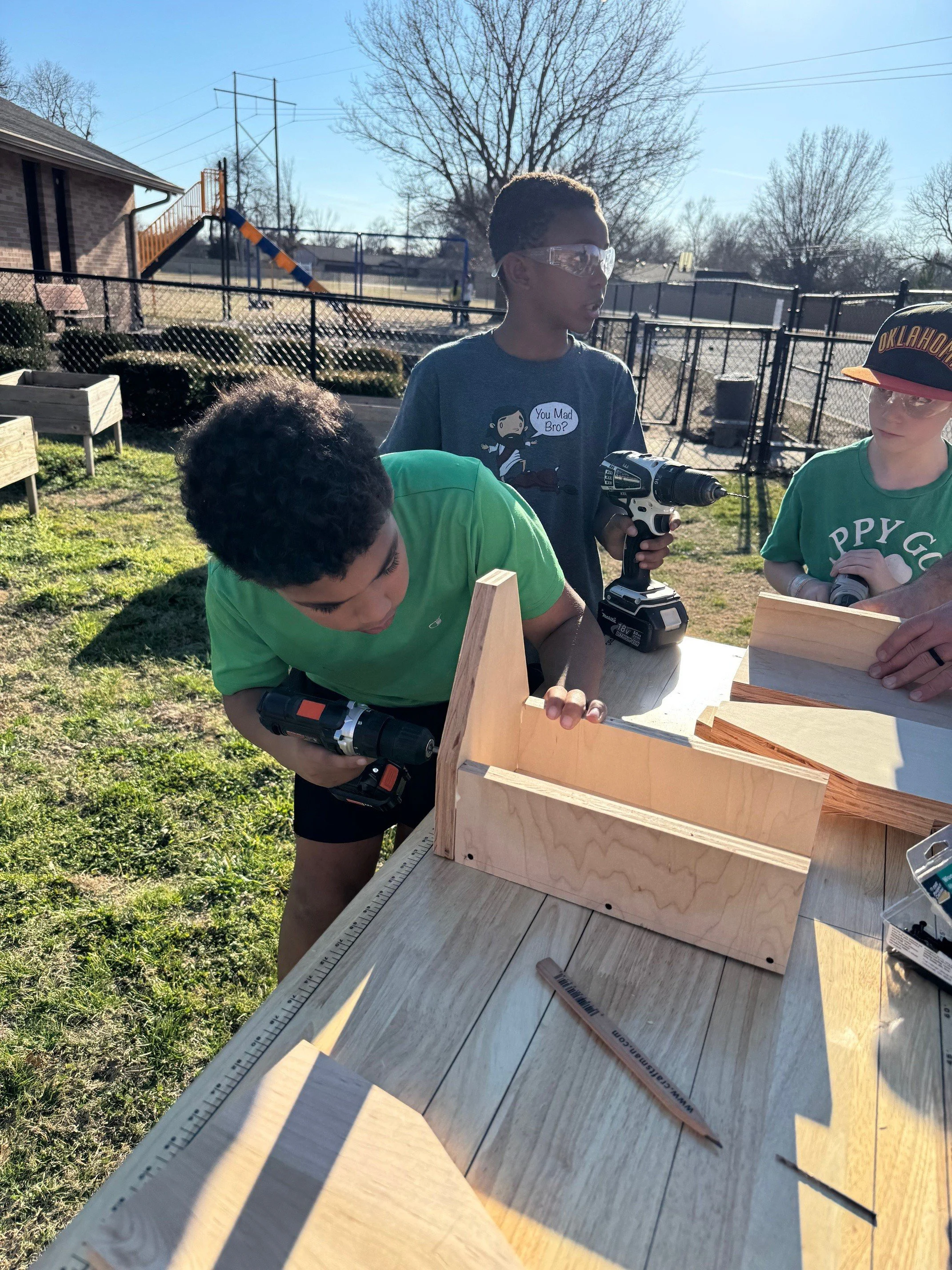
Learn basic woodworking and build a birdhouse.
Language
Materials
Research books
Journal
Recording device
Art supplies
Projects
Interview grandparents and create a family history book.
Start a summer book club.
Write a short mystery story.
Create a family newsletter.
Math
Materials
Spreadsheet software
Graph paper
Measuring tools
Projects
Track savings toward a goal.
Design a backyard project with measurements and costs.
Compare prices for a family purchase.
Create graphs of exercise, reading, or garden growth.
Science & Exploration
Materials
Microscope
Science kits
Field guides
Coding websites or books
Projects
Study pond, creek, or backyard ecosystems.
Build a weather station.
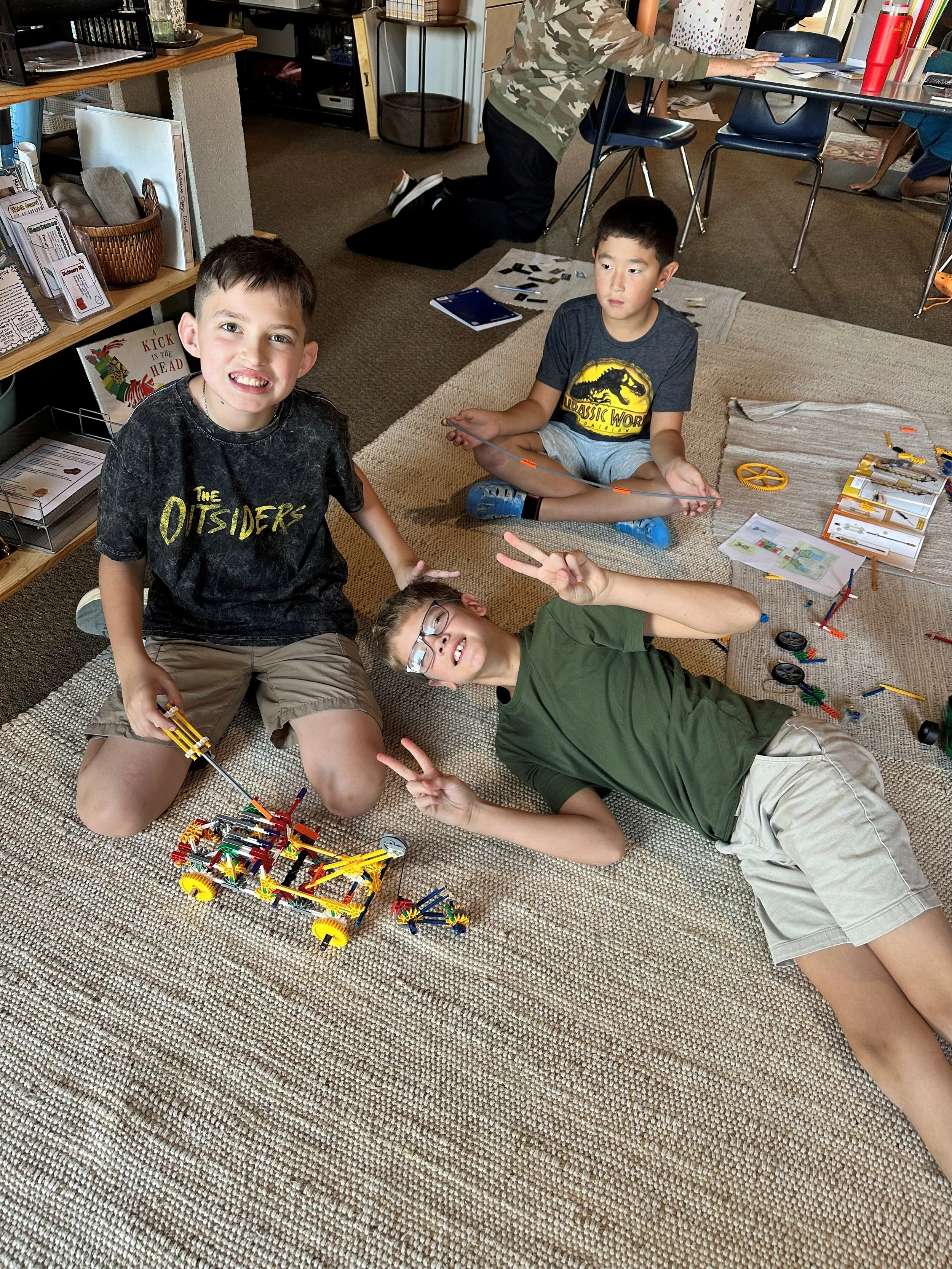
Learn basic coding and create a simple game.
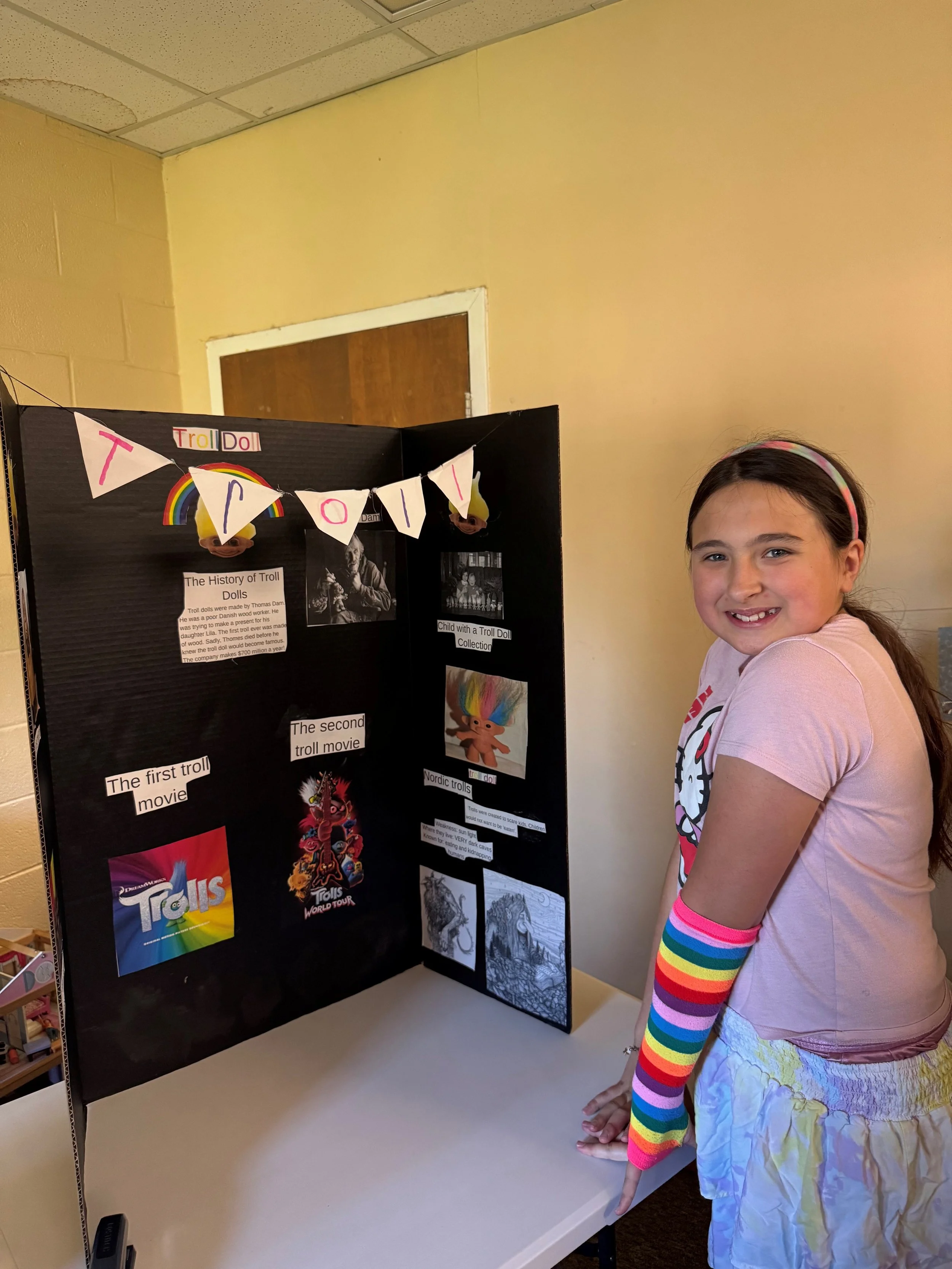
Design and conduct a science fair-style experiment.
Ages 12–15: Preparing for Independence
Adolescents thrive when trusted with real responsibility and opportunities to contribute.
Practical Life
Materials
Personal planner
Budget worksheets
Basic home repair tools
Cookbooks
Projects
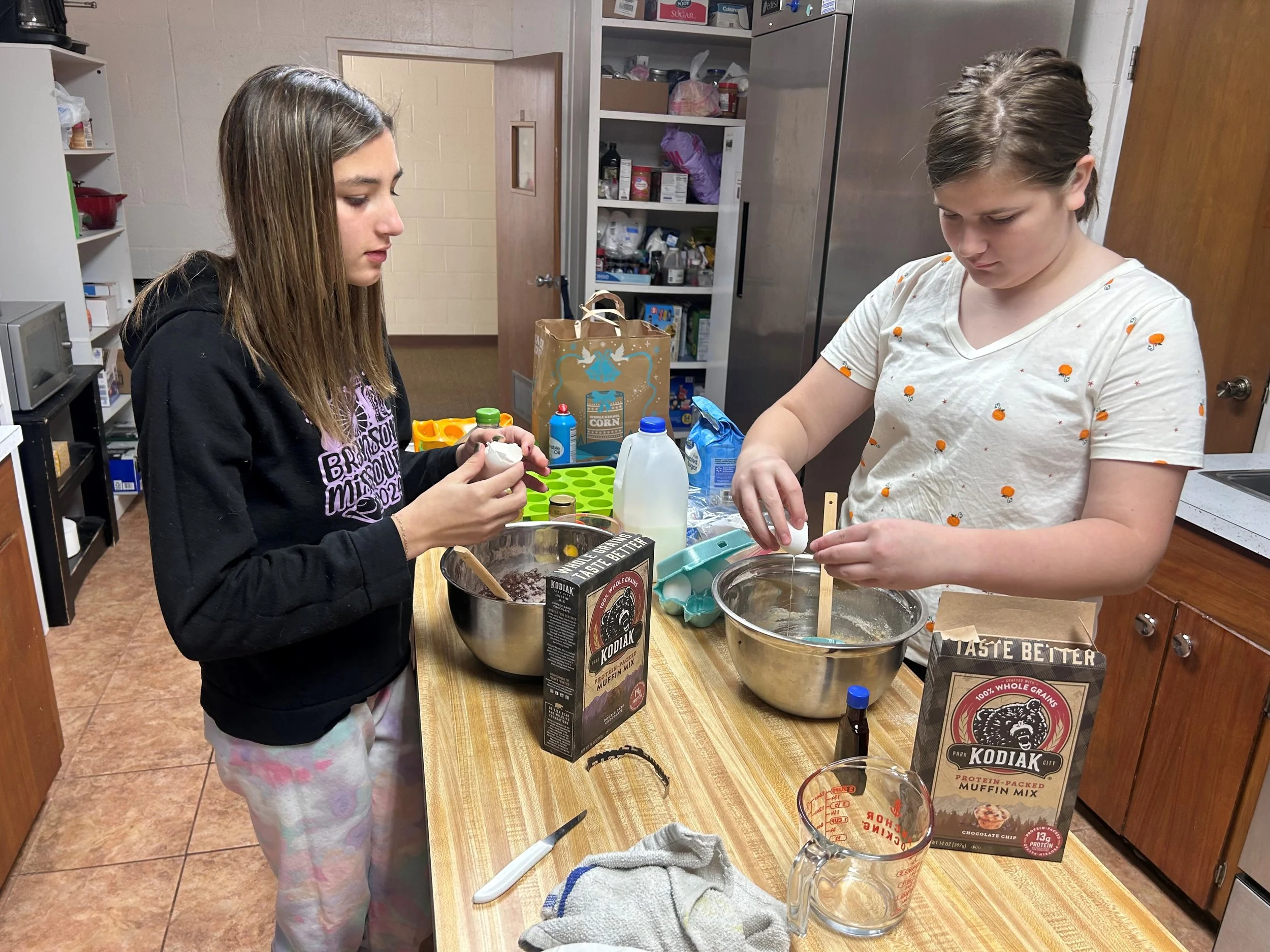
Plan, budget, and prepare meals for the family.
Learn to change a tire and check vehicle fluids.
Paint a room or complete a home improvement project.
Create and manage a personal schedule.
Leadership & Entrepreneurship
Materials
Business planning notebook
Spreadsheet software
Marketing materials
Projects
Start a lawn care, pet sitting, babysitting, or tutoring business.
Organize a neighborhood food drive.
Lead activities for younger children.
Develop a passion project around art, technology, writing, or science.
Language & Research
Materials
Biographies
Research databases
Journal
Projects
Research a career of interest and interview someone in the field.
Start a blog documenting summer experiences.
Read a biography and present key lessons learned.
Create a documentary-style video about a topic of interest.
Financial Literacy
Materials
Banking app (with parent supervision)
Budget templates
Savings tracker
Projects
Create a monthly budget.
Compare prices and evaluate purchases.
Track earnings and expenses from summer jobs.
Learn about investing and compound interest.
Service & Exploration
Materials
Volunteer opportunities
Local maps
Community event calendars
Projects
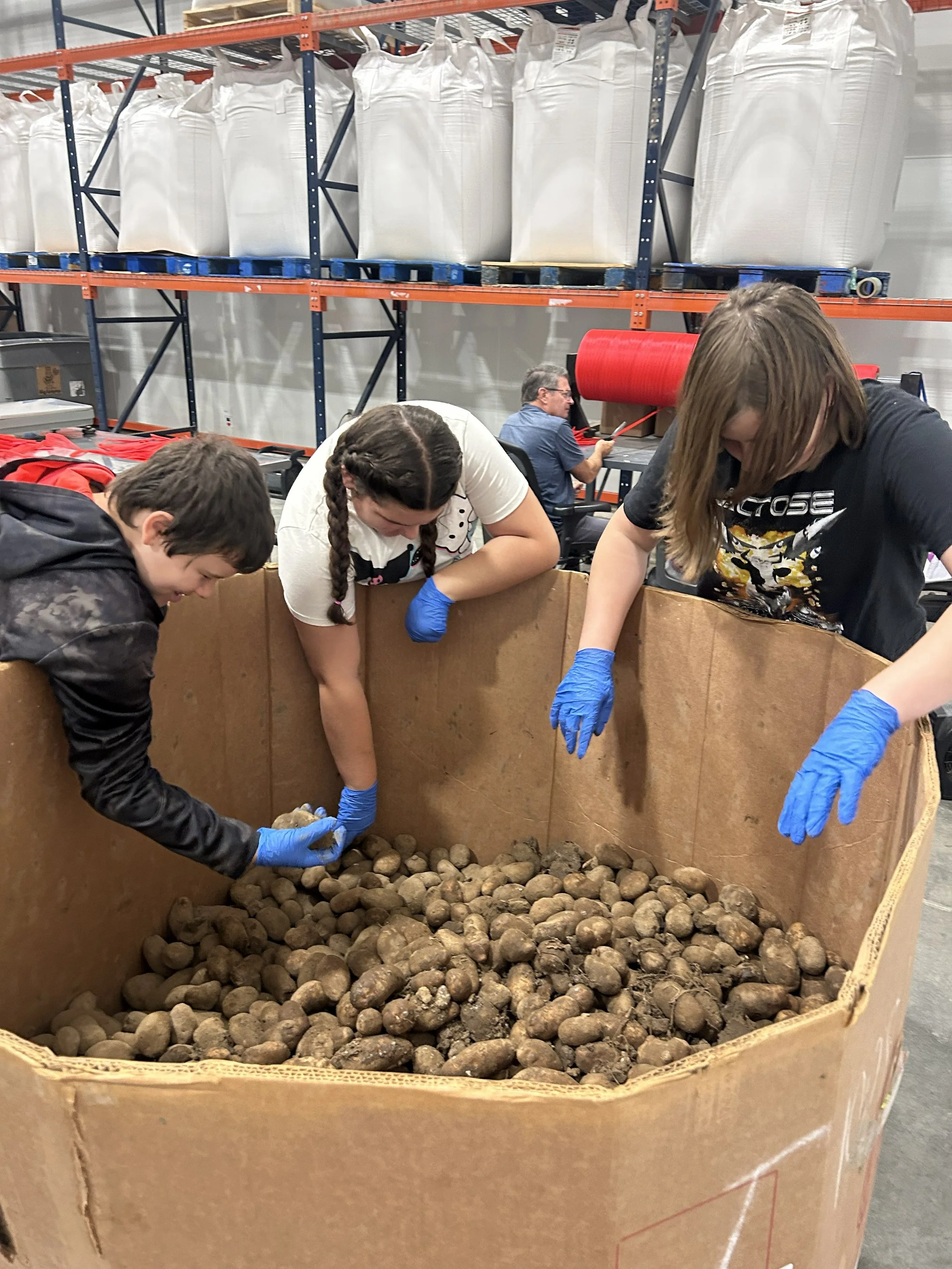
Volunteer at a food pantry, church, or community organization.
Plan a local history tour.
Organize a community clean-up day.
Complete a service project that addresses a need in the community.
A Summer of Growth
Montessori at home is not about recreating the classroom. It is about helping children become capable, confident, and connected to the world around them.
When children are trusted with meaningful work, given opportunities to explore their interests, and encouraged to contribute to family life, learning naturally continues. Whether your child is watering plants, researching butterflies, building a birdhouse, or starting a small business, they are developing skills that extend far beyond academics.
This summer, focus on curiosity over curriculum, experiences over worksheets, and independence over perfection. The memories you create together may become some of your child's most valuable lessons.