
Celebrating Montessori Milestones: From Bead Chains to Research Projects
One of the most beautiful aspects of Montessori education is the way learning unfolds naturally over time. Each stage builds carefully upon the last, allowing children to develop confidence, independence, curiosity, and mastery at their own pace. From the first time a preschool child counts a bead chain to the middle school student presenting a research project, Montessori milestones reflect deep understanding rather than simple memorization.
Montessori education is not divided into isolated grade levels. Instead, it is a connected journey where every experience lays the groundwork for future discovery. Let’s take a closer look at the unique academic milestones from ages 3–15 and how each stage deepens and expands as the child grows.
Early Childhood (Ages 3–6): Building the Foundation
The Early Childhood classroom is often where families first see the magic of Montessori unfold. During these years, children absorb information effortlessly through hands-on experiences and purposeful work. Every material in the classroom is intentionally designed to help children develop concentration, coordination, independence, and confidence while fostering a genuine love of learning.
Practical Life Independence
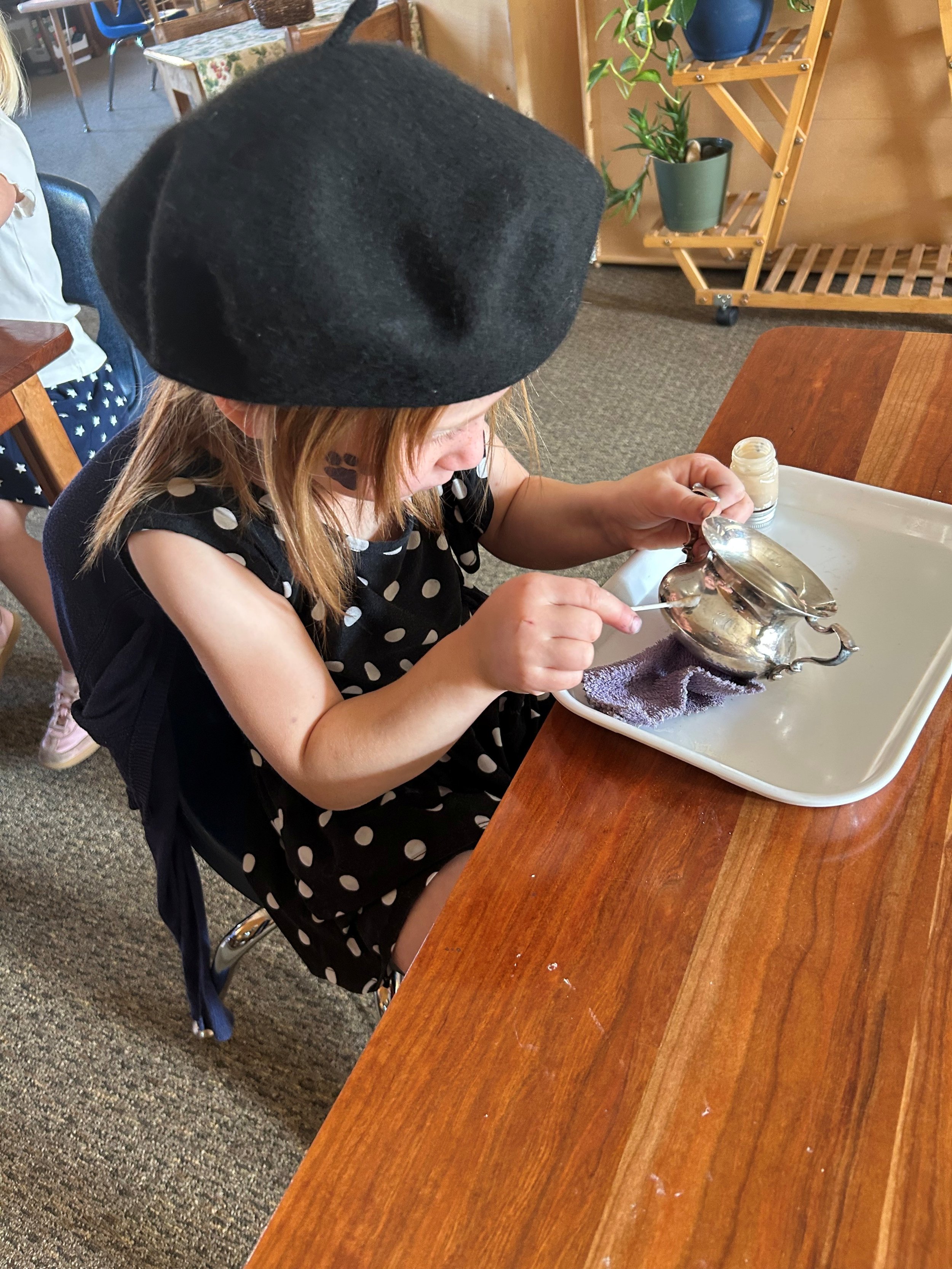
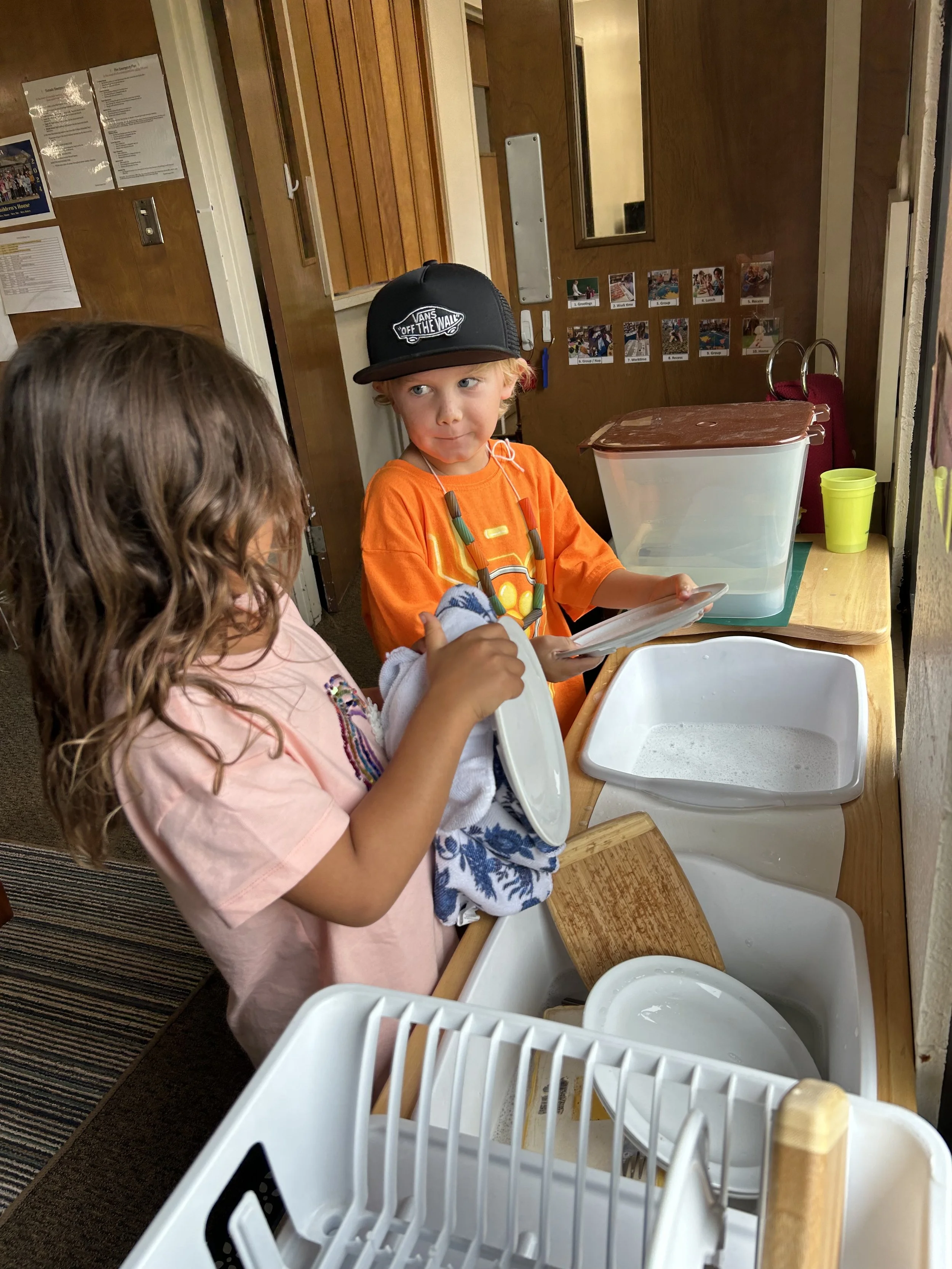
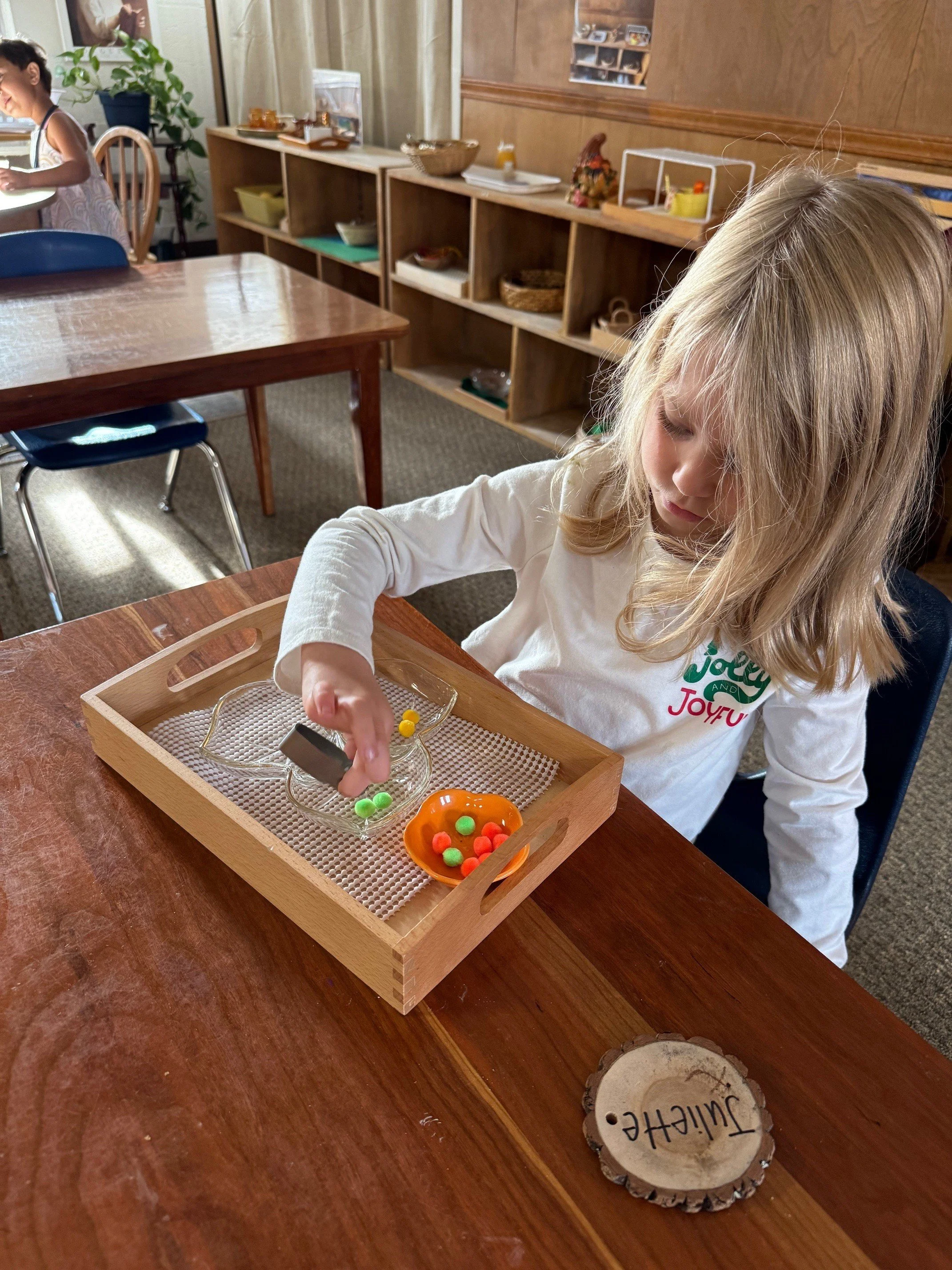
Children begin mastering everyday tasks such as pouring, buttoning, sweeping, food preparation, and caring for their environment. While these activities may seem simple, they develop concentration, coordination, sequencing, and independence—all essential skills for later academic success.
Practical Life work also teaches children responsibility and respect for their community. As children repeat these activities, they build perseverance and confidence in their own abilities. The independence developed here lays the groundwork for students to eventually manage complex academic tasks with focus and self-discipline.
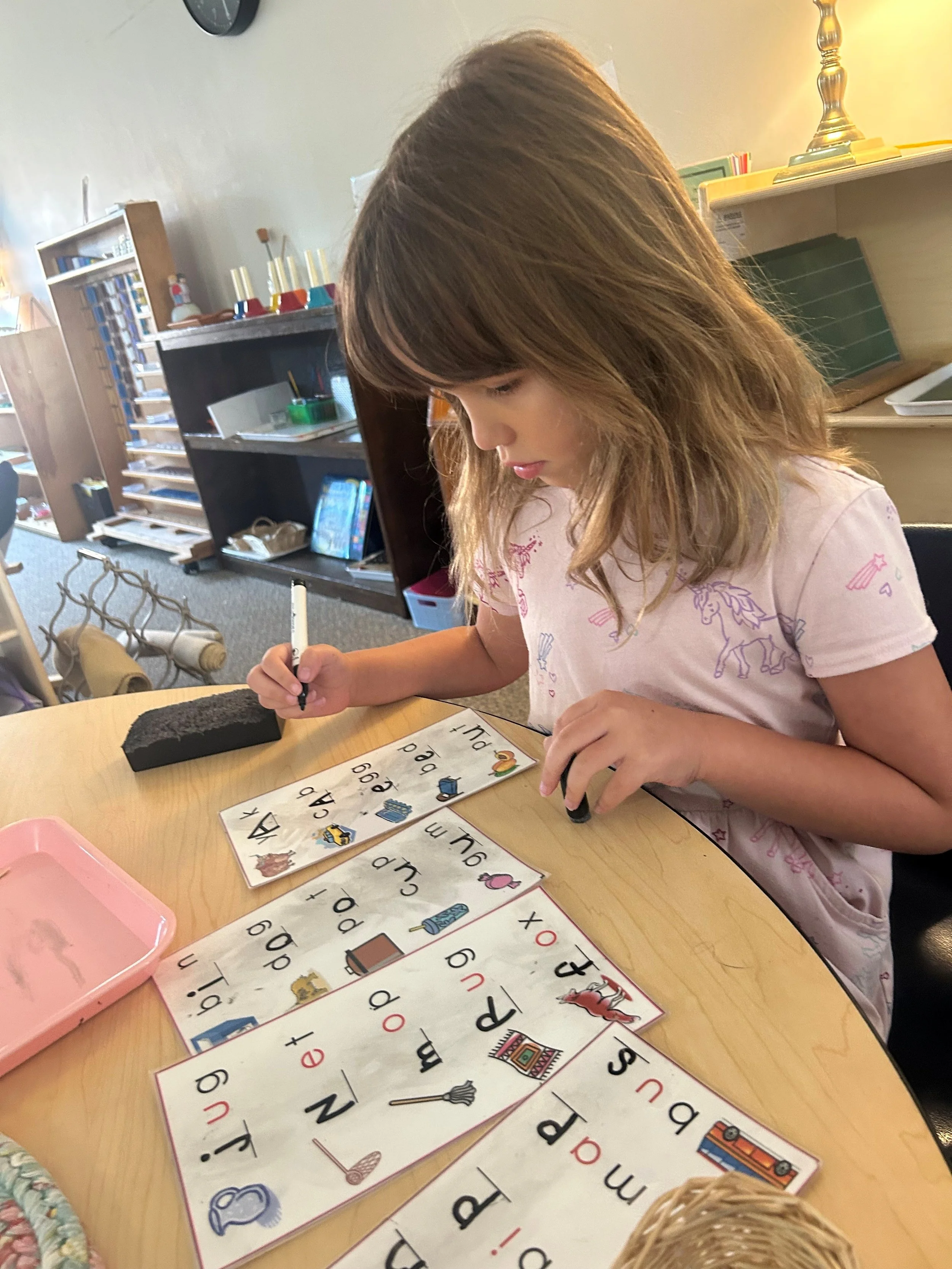
The Journey Into Reading and Writing
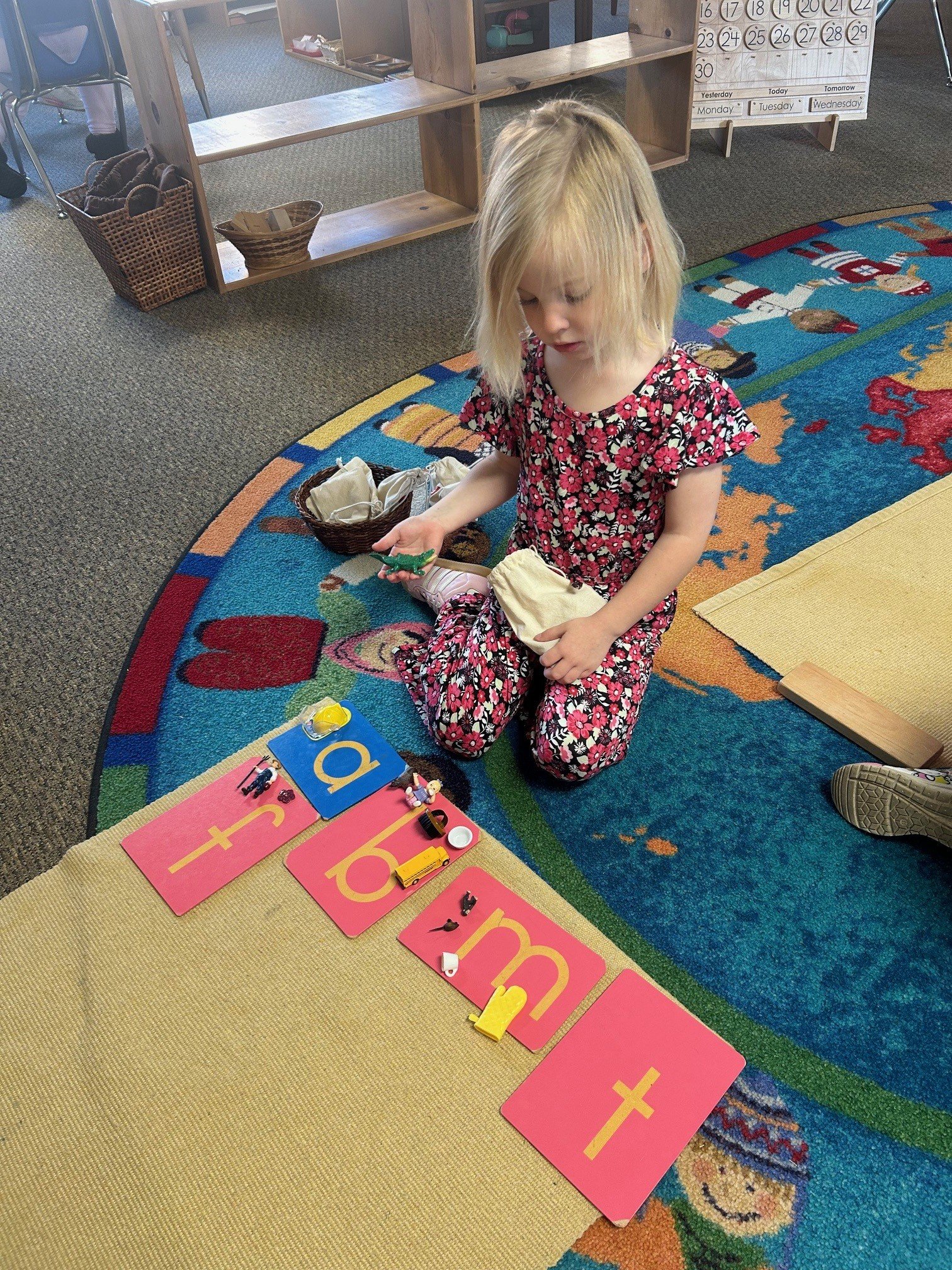
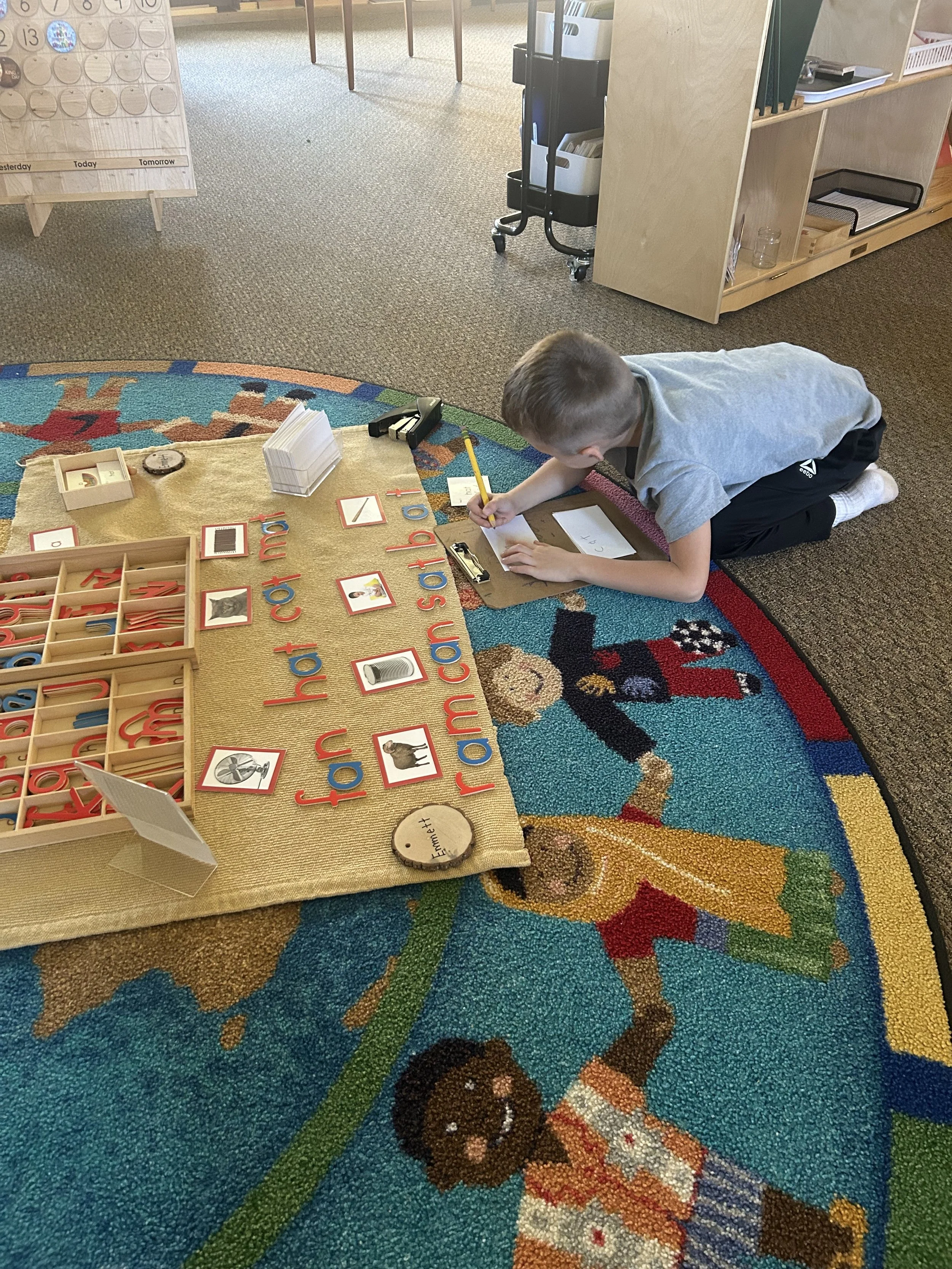
Students move from phonetic awareness to reading and writing in a remarkably natural progression. Using sandpaper letters, movable alphabets, and phonetic materials, many children begin reading before they even realize they are “learning to read.”
Because language is introduced through movement, sound, and tactile experiences, children develop a deep connection to written communication. Rather than memorizing isolated rules, students discover patterns and build confidence through exploration. This joyful approach often creates enthusiastic readers and writers who view language as a tool for expression and discovery.
Mathematical Foundations Through Hands-On Learning
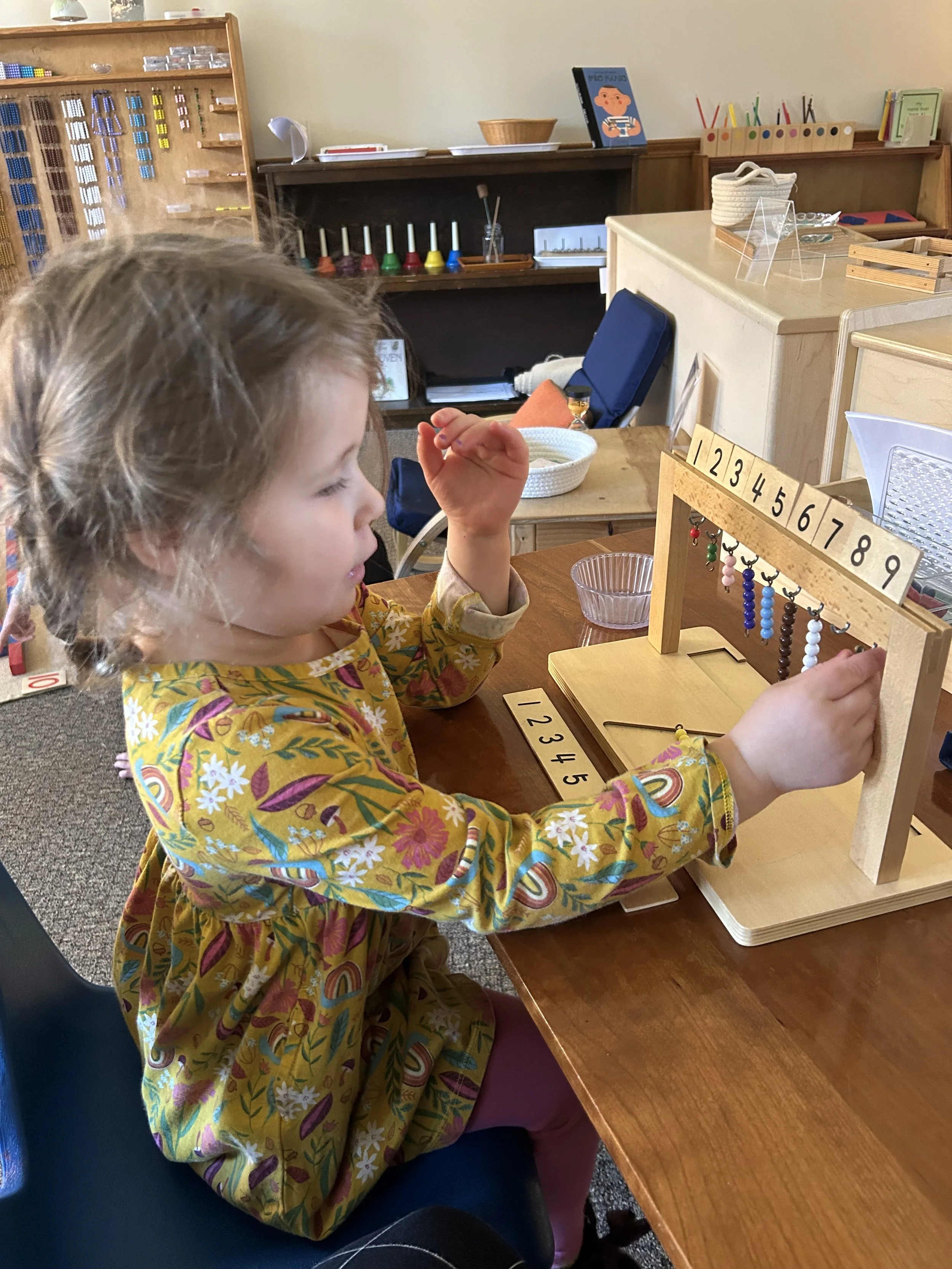
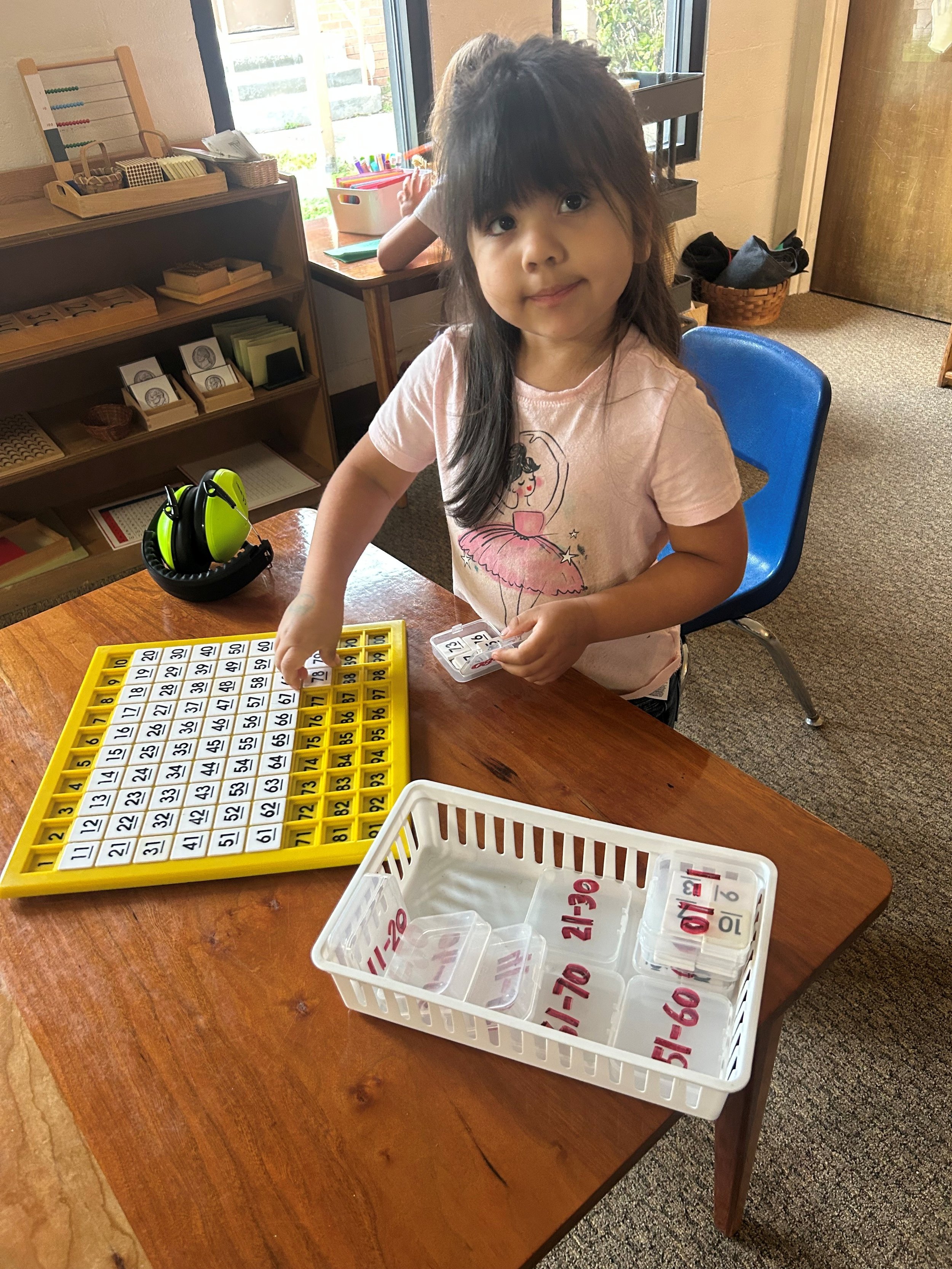
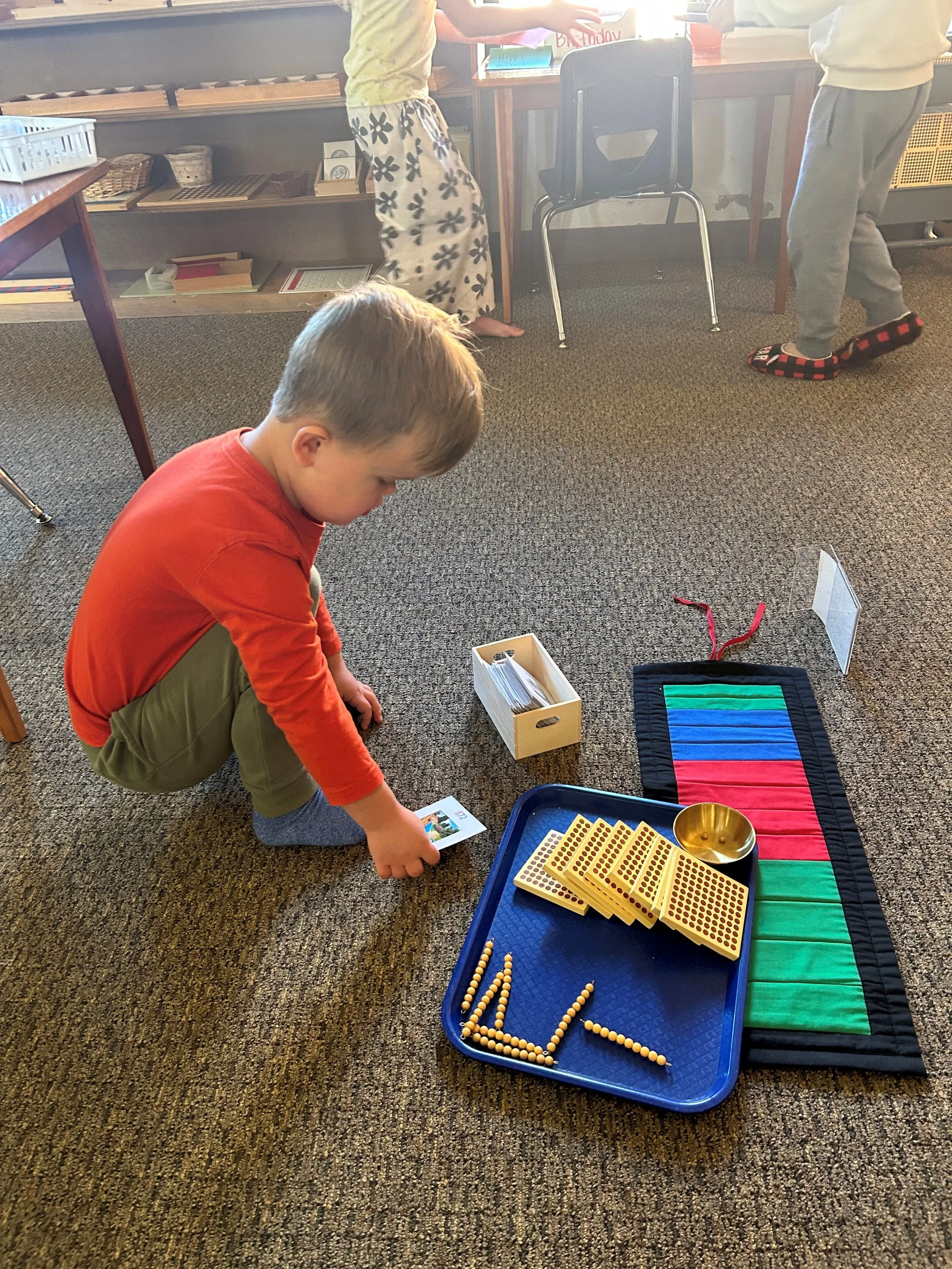
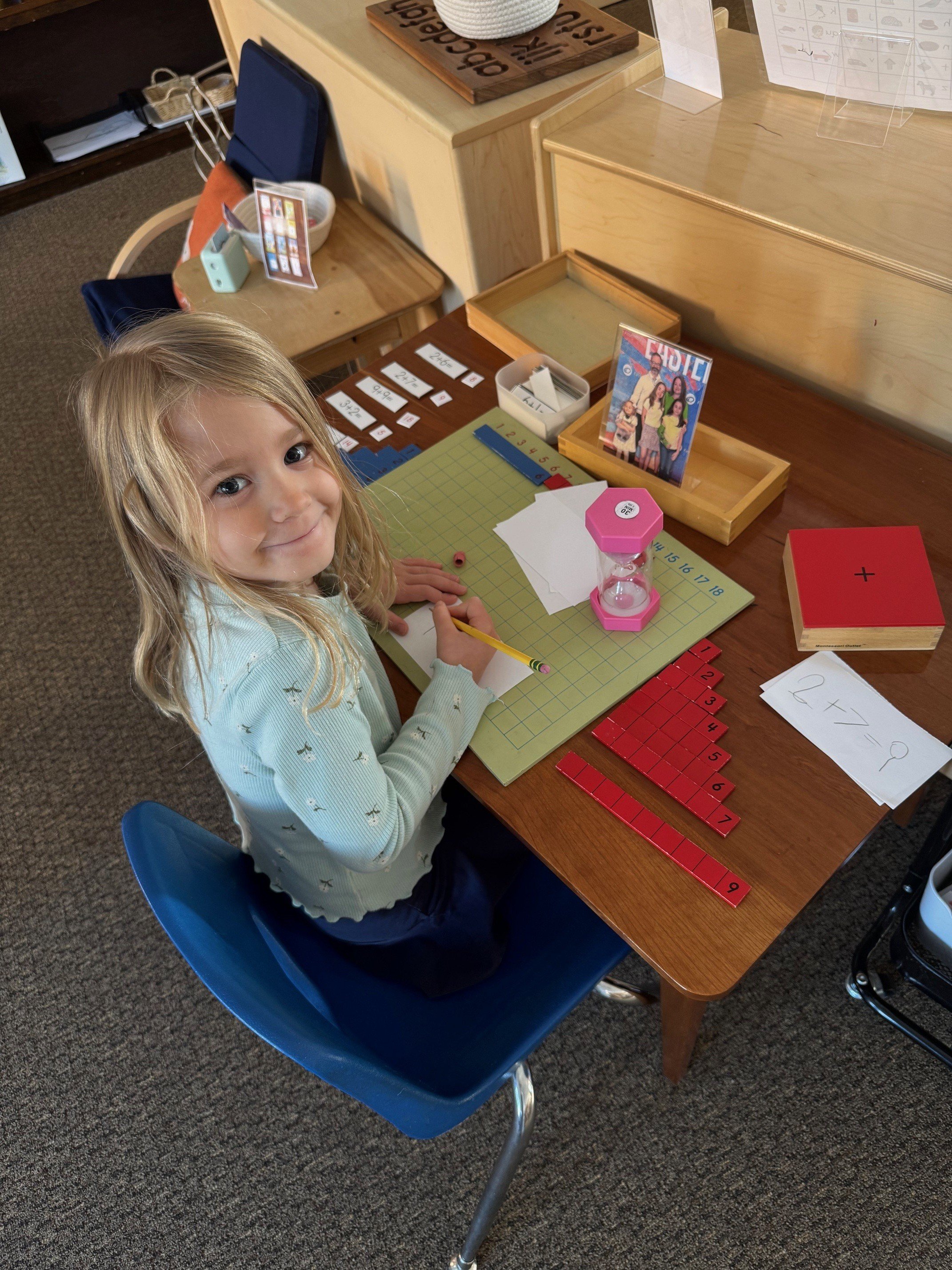
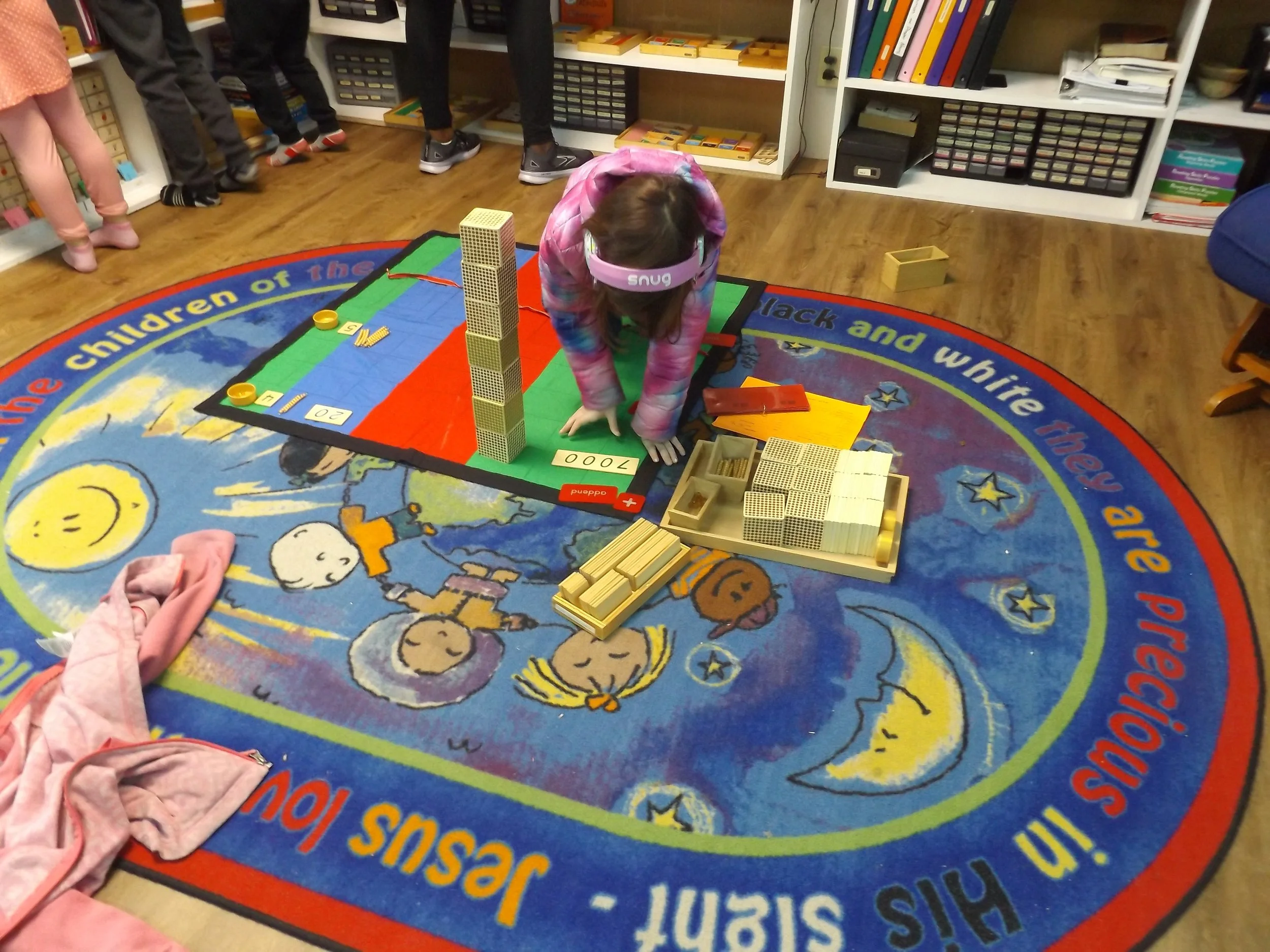
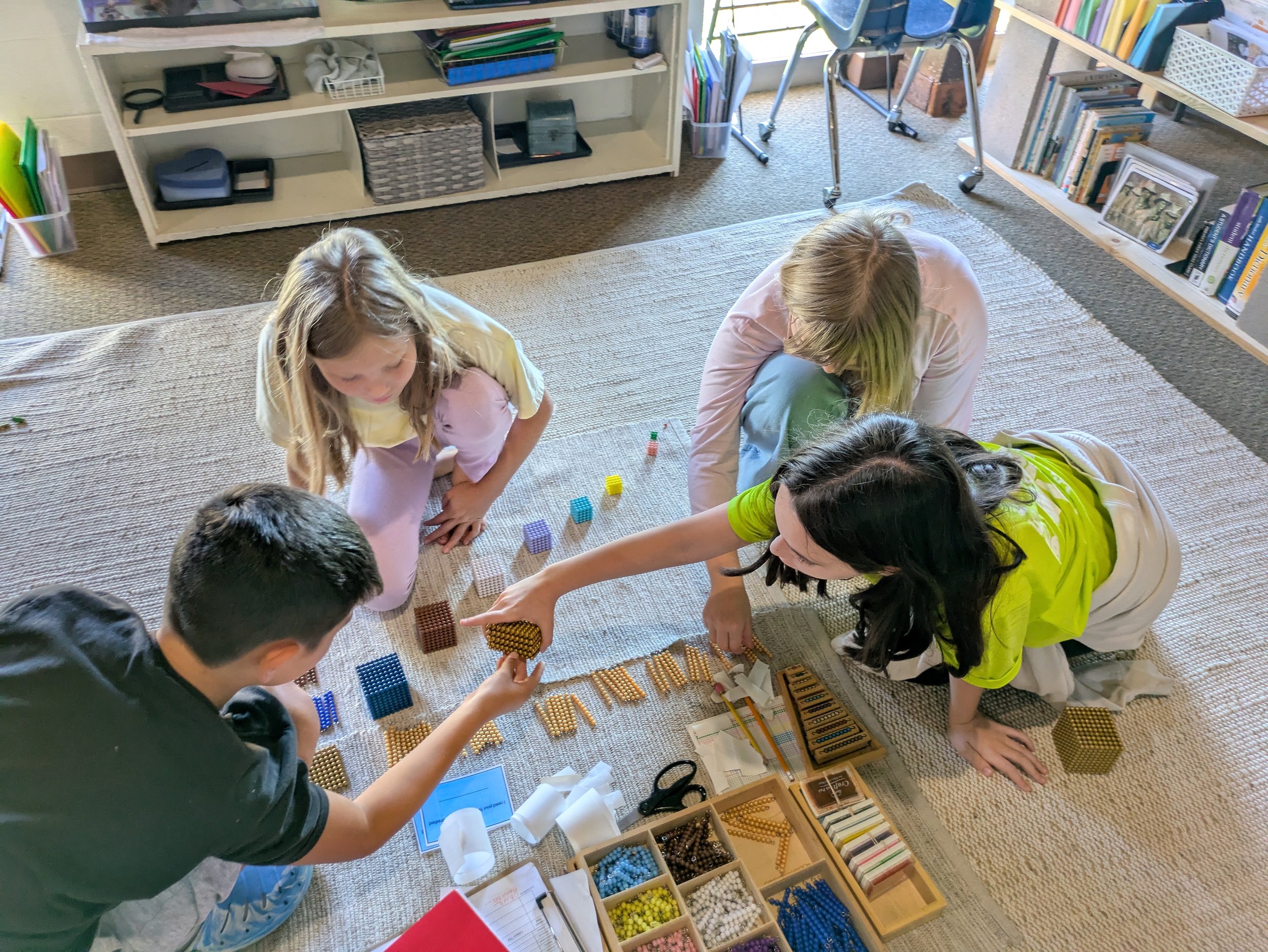
One of the most iconic Montessori milestones is the use of golden beads and bead chains. Children physically build quantities, exchange units for tens and hundreds, and experience the decimal system with their hands.
This concrete approach allows children to truly understand how numbers work rather than simply memorizing procedures. Students can see and feel mathematical relationships, making abstract ideas far more accessible later on. The confidence gained through hands-on exploration helps children approach future mathematical challenges with curiosity instead of fear.
Cultural Exploration and Discovery
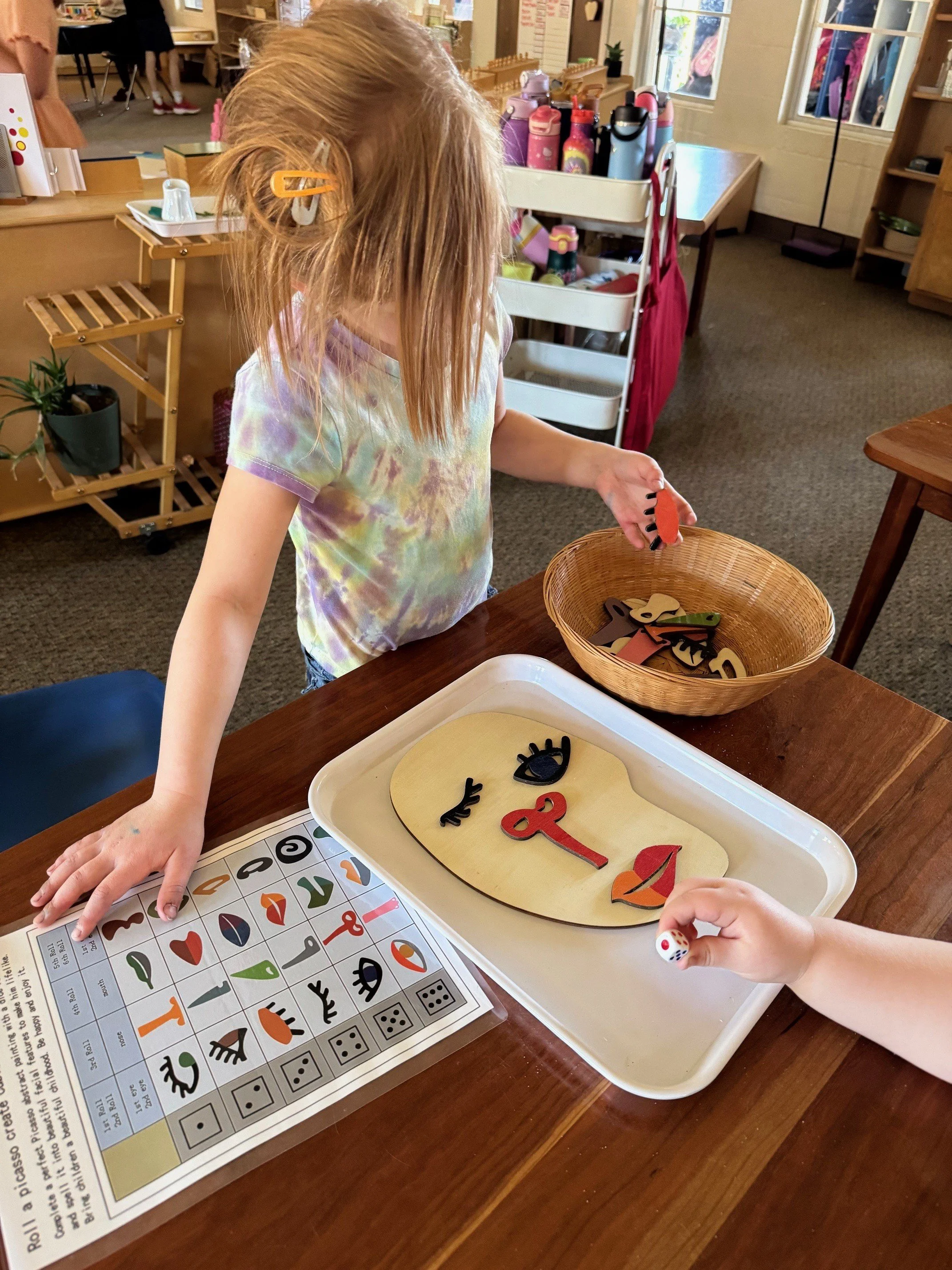
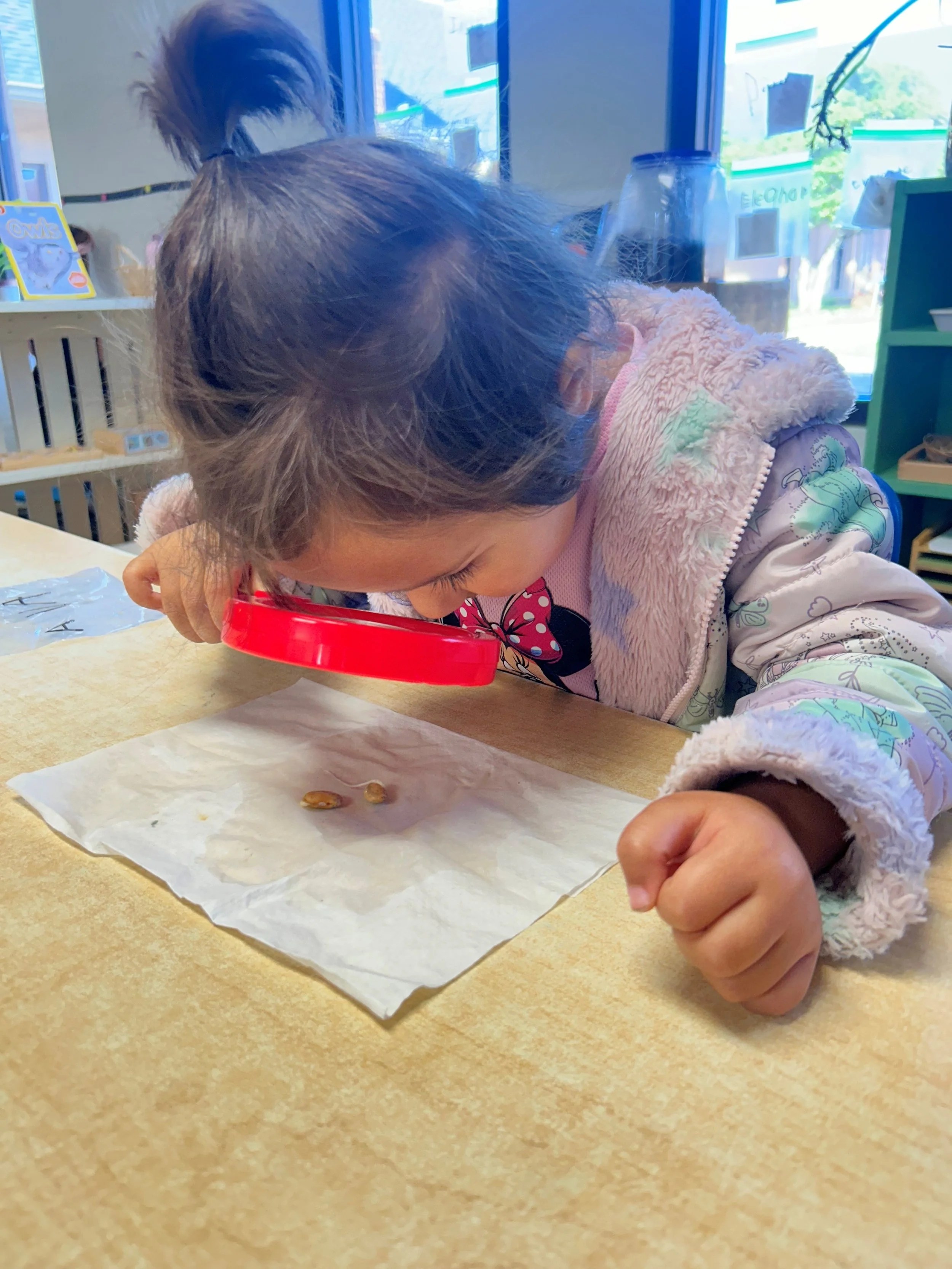
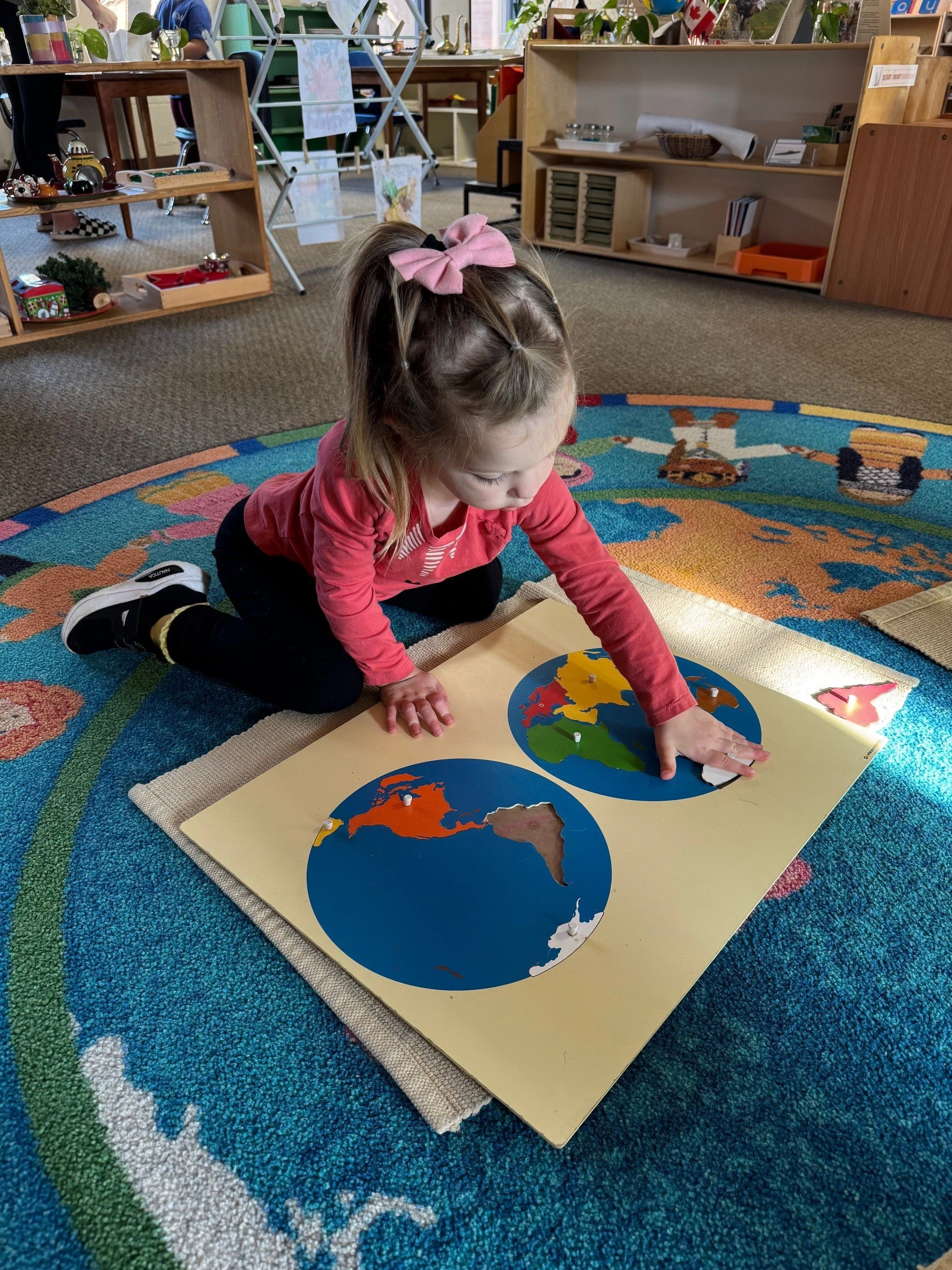
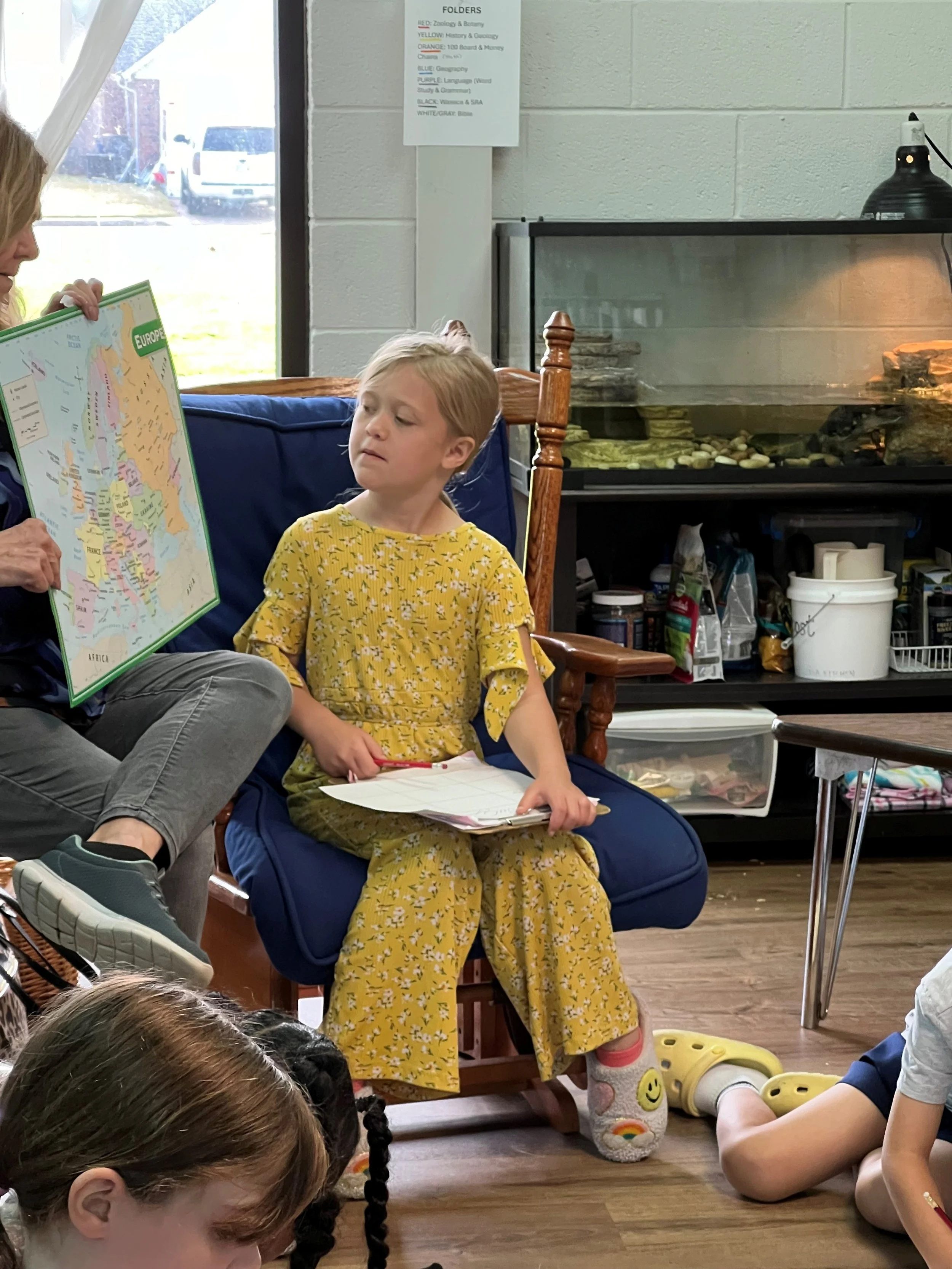
Young children are introduced to geography, science, art, and music through stories, puzzles, maps, and hands-on exploration. This stage plants the seeds for future inquiry and global awareness.
Children develop wonder about the world around them as they learn about continents, animals, plants, weather, and diverse cultures. These experiences encourage empathy, curiosity, and respect for others from an early age. Montessori classrooms foster the understanding that all areas of learning are interconnected and meaningful.
How It Connects Forward
The concentration, independence, and concrete understanding developed here become the foundation for abstract thinking in the elementary years. Children leave Early Childhood not only with academic readiness, but with a love of learning and confidence in their abilities. Most importantly, they begin to see themselves as capable learners who can explore and solve problems independently.
Lower Elementary (Ages 6–9): Expanding the Imagination
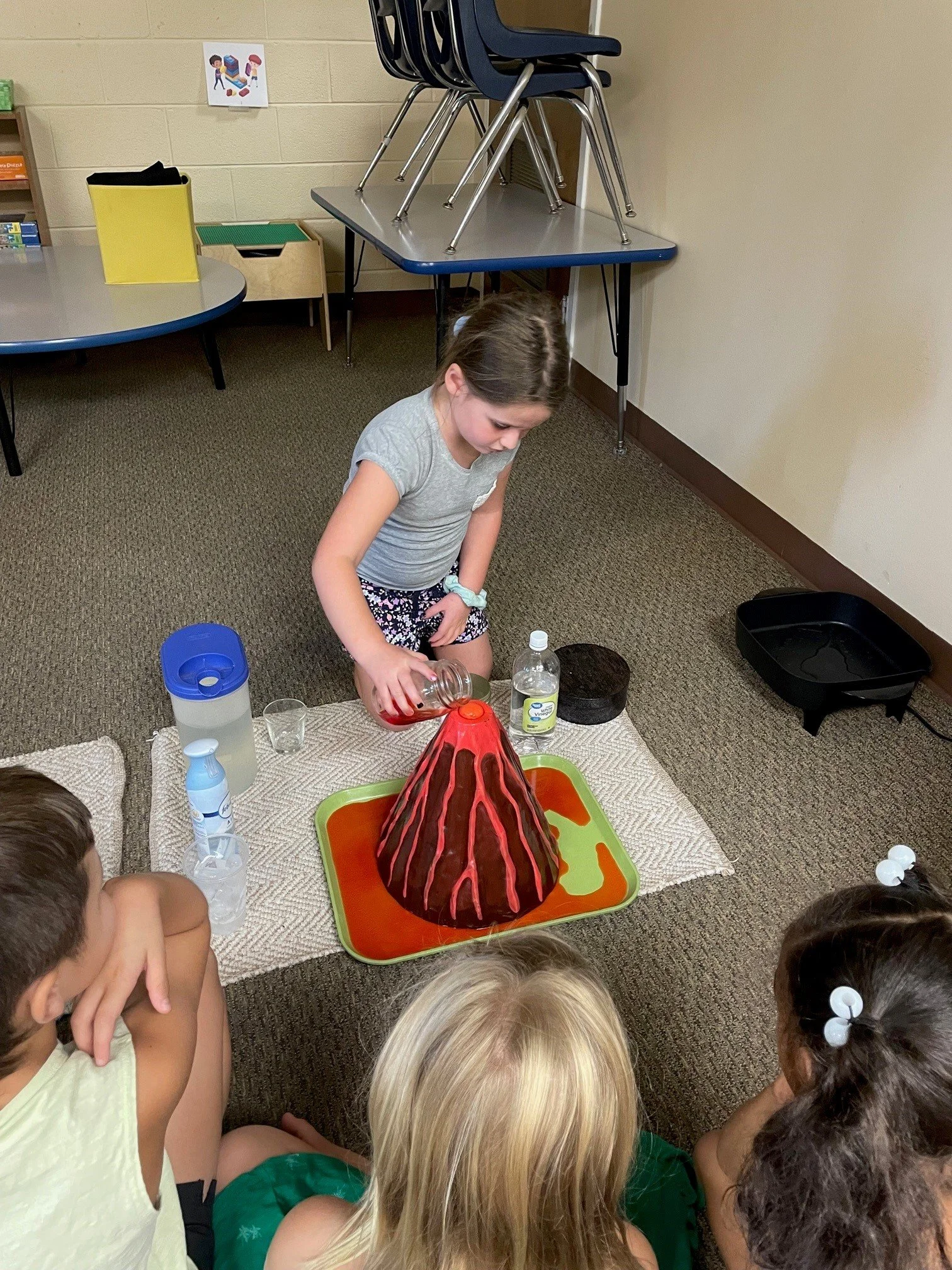
As children enter the elementary years, their minds shift from absorbing information to reasoning and imagining. Montessori elementary classrooms harness this new stage through big stories, collaborative learning, and exploration across disciplines. Students become deeply curious about how the world works and are eager to investigate big ideas and meaningful questions.
The Great Lessons
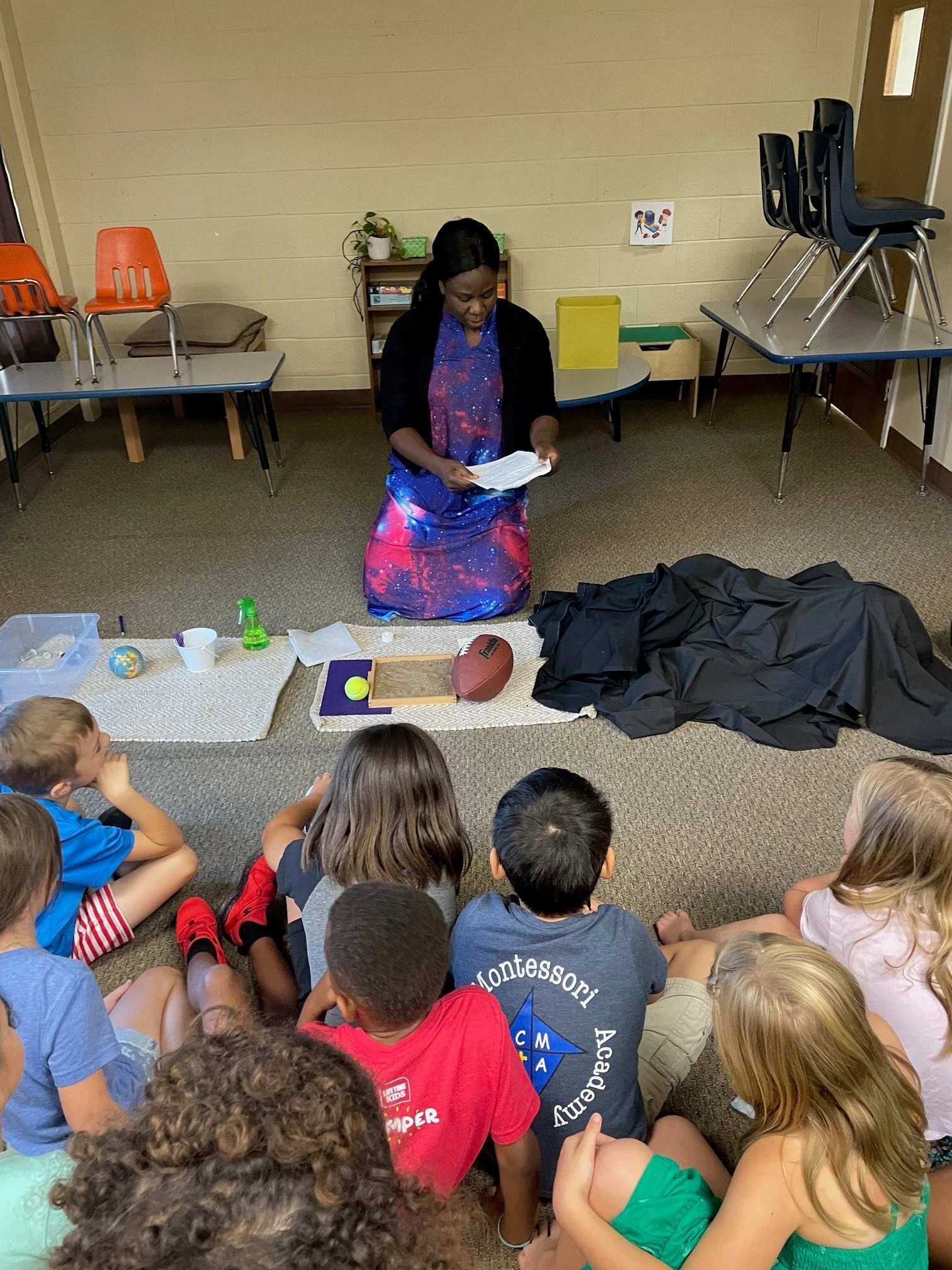
Lower Elementary students encounter the famous “Great Lessons”—sweeping stories about the universe, life, language, and human civilization. These lessons spark curiosity and provide a framework for interconnected learning.
The Great Lessons inspire students to ask questions, conduct research, and pursue independent interests across subjects. Rather than learning isolated facts, children begin seeing knowledge as part of a larger story. These lessons cultivate imagination while giving students a meaningful context for their academic studies.
Transition to More Complex Mathematical Thinking
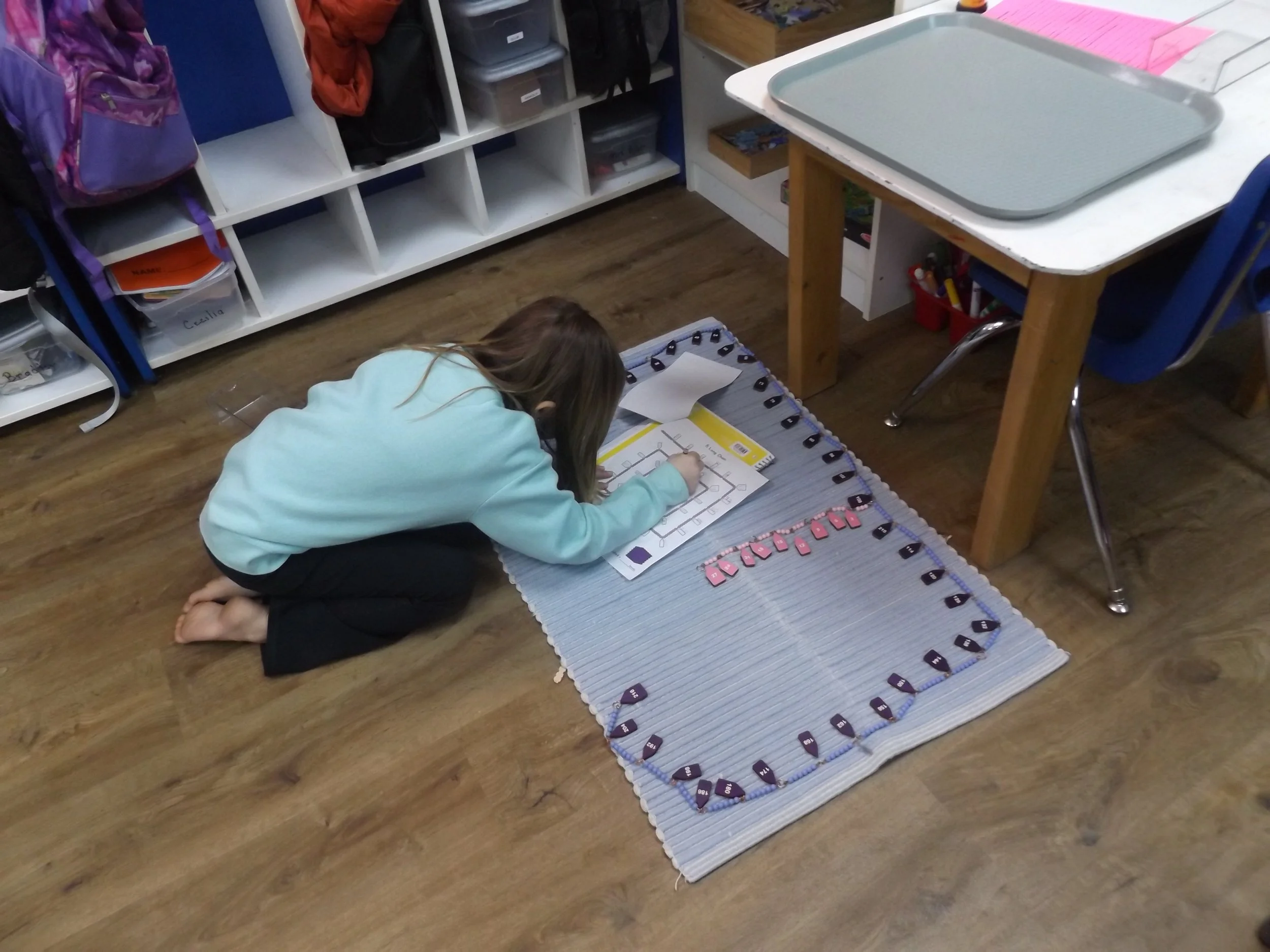
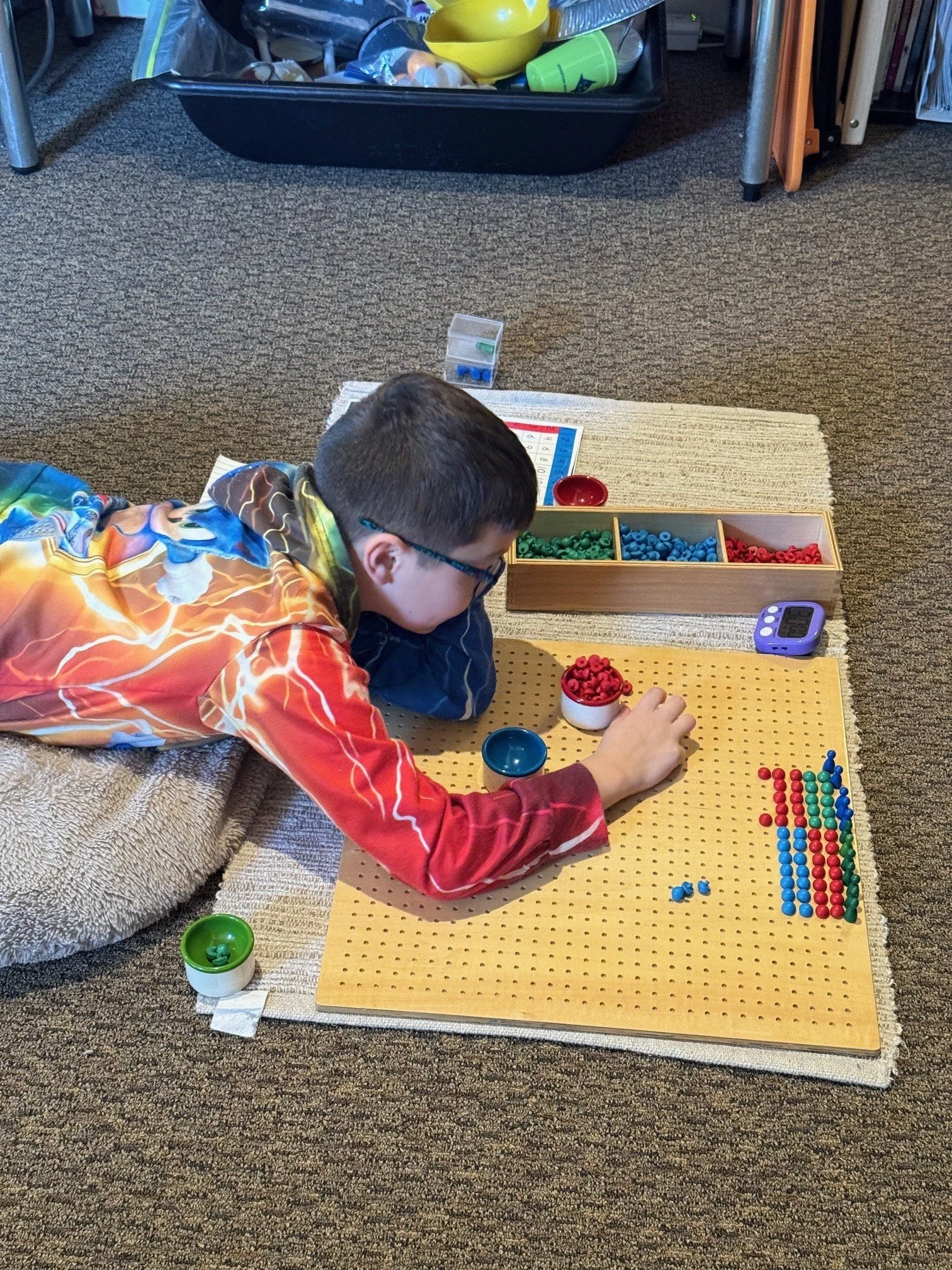
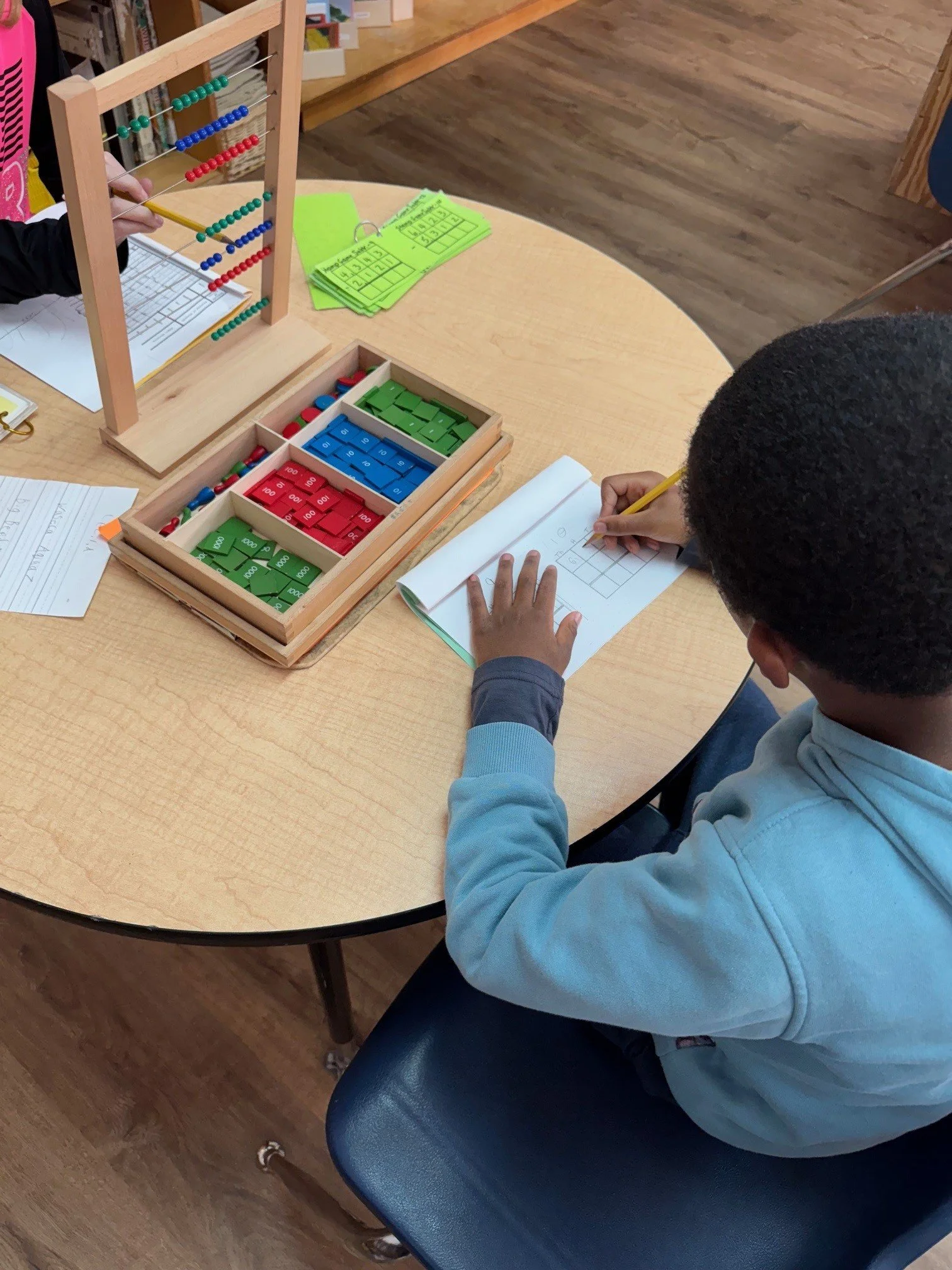
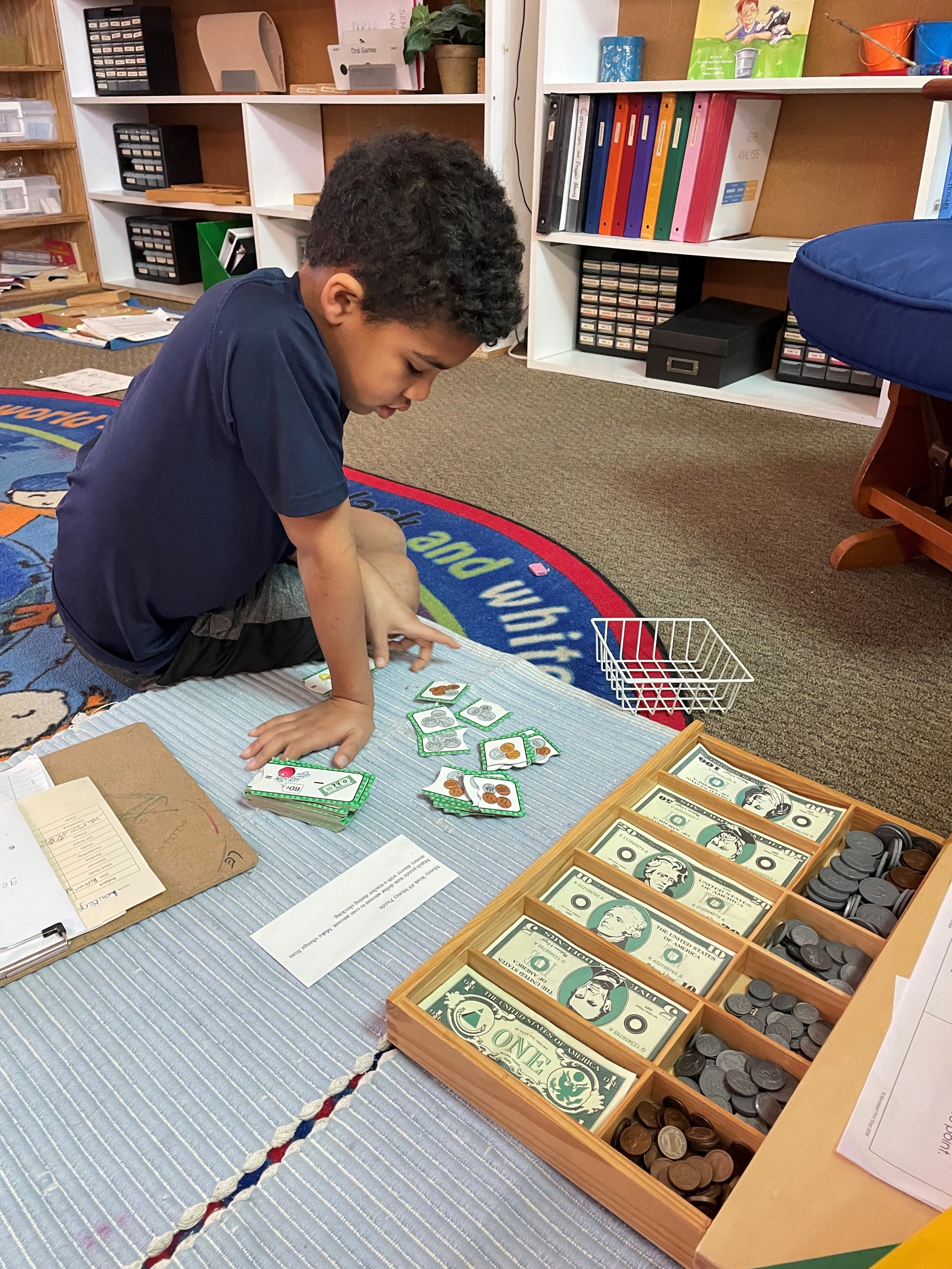
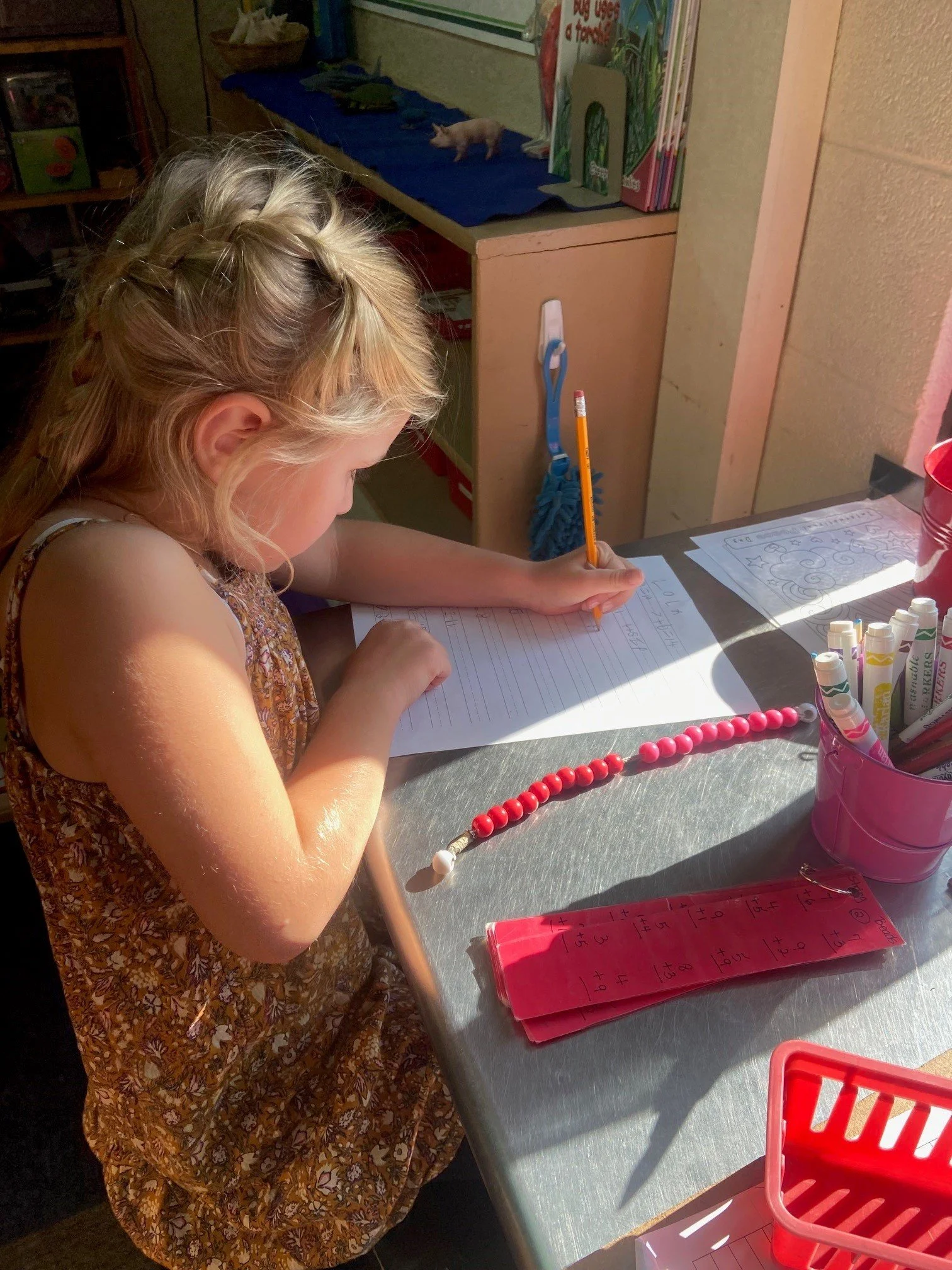
Children who once counted bead chains and built numbers with golden beads continue using familiar Montessori materials in Lower Elementary, but now in deeper and more sophisticated ways. Rather than moving fully into abstraction, students still rely heavily on hands-on materials to explore larger operations and increasingly complex mathematical concepts.
Students use materials from Children’s House in new ways as they tackle multiplication, long division, fractions, geometry, and problem solving with greater depth and precision. New Montessori materials are also introduced to support higher-level concepts and operations, allowing students to physically experience mathematical relationships before solving problems abstractly.
Because students have already built a strong concrete foundation, they approach advanced mathematics with confidence, curiosity, and genuine understanding rather than rote memorization. The gradual progression from concrete experiences to abstract reasoning ensures students develop both competence and flexibility in mathematical thinking.
Independent Reading and Research
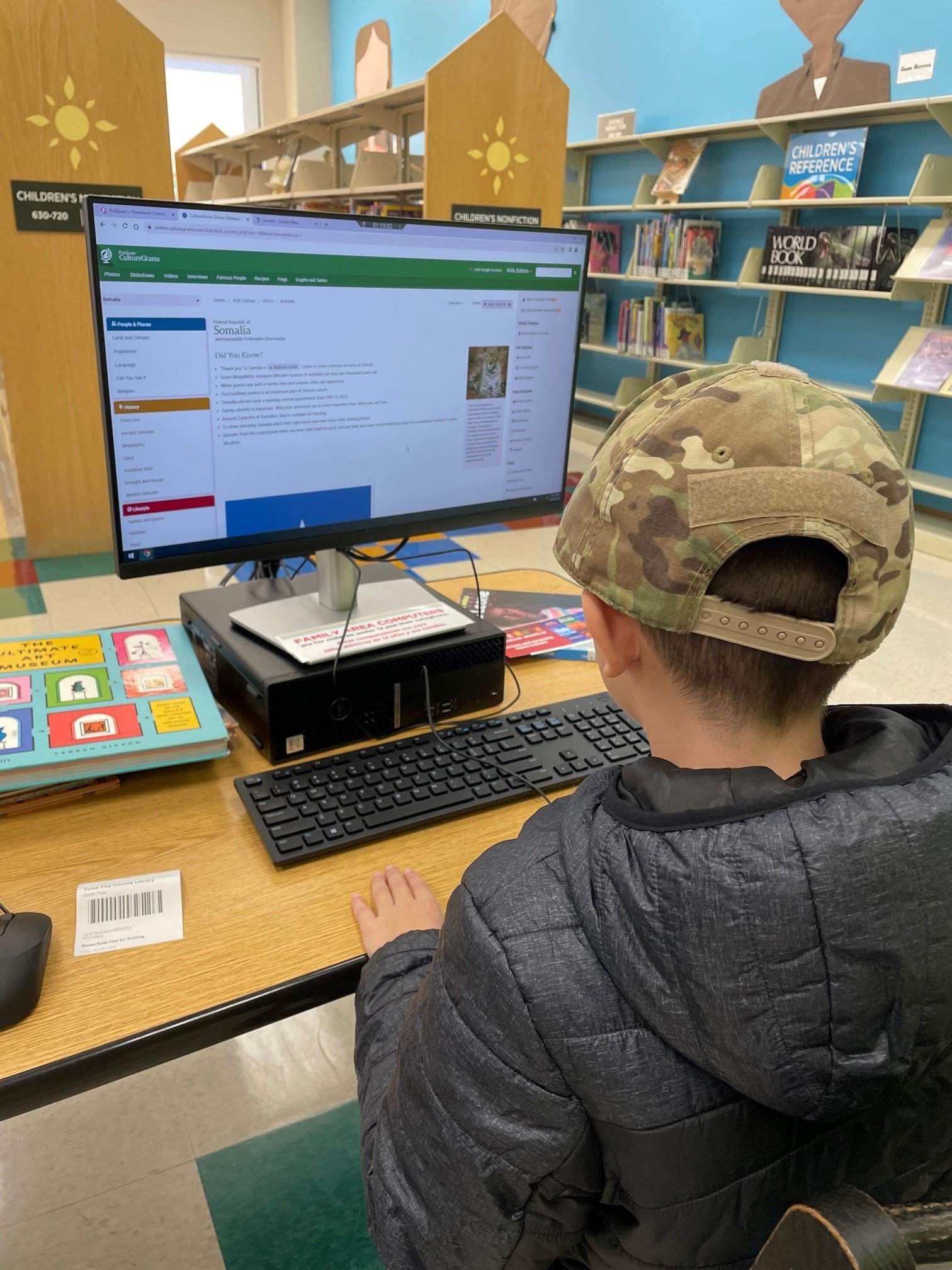
Students begin conducting simple research projects using books, timelines, experiments, and note-taking. They learn to gather information and present their findings to peers.
This process teaches students how to organize information, ask meaningful questions, and communicate their discoveries clearly. Research also nurtures ownership of learning, as children are often given freedom to pursue topics that genuinely interest them. These early experiences help students develop confidence in their ability to learn independently.
Grammar and Language Analysis
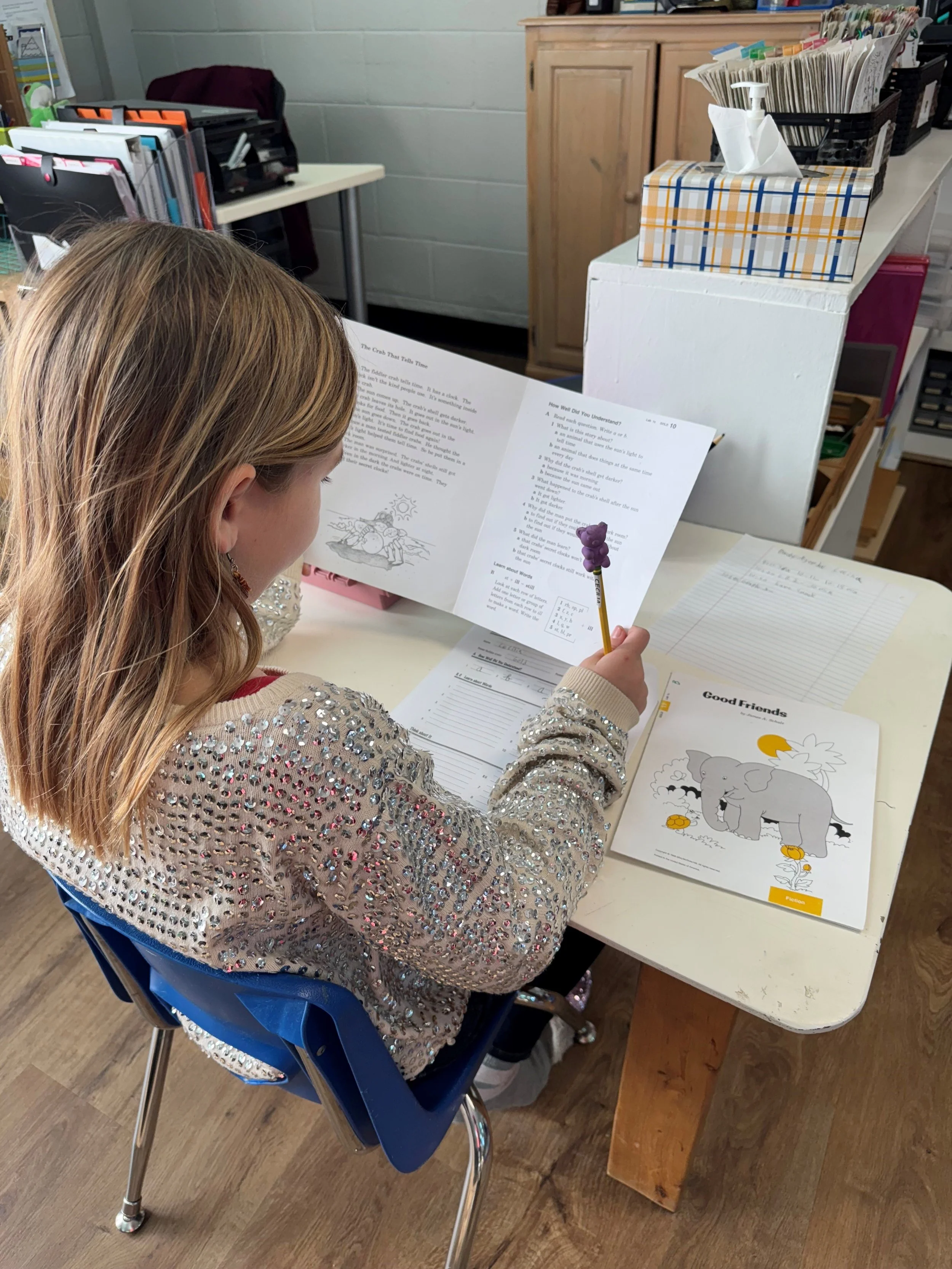
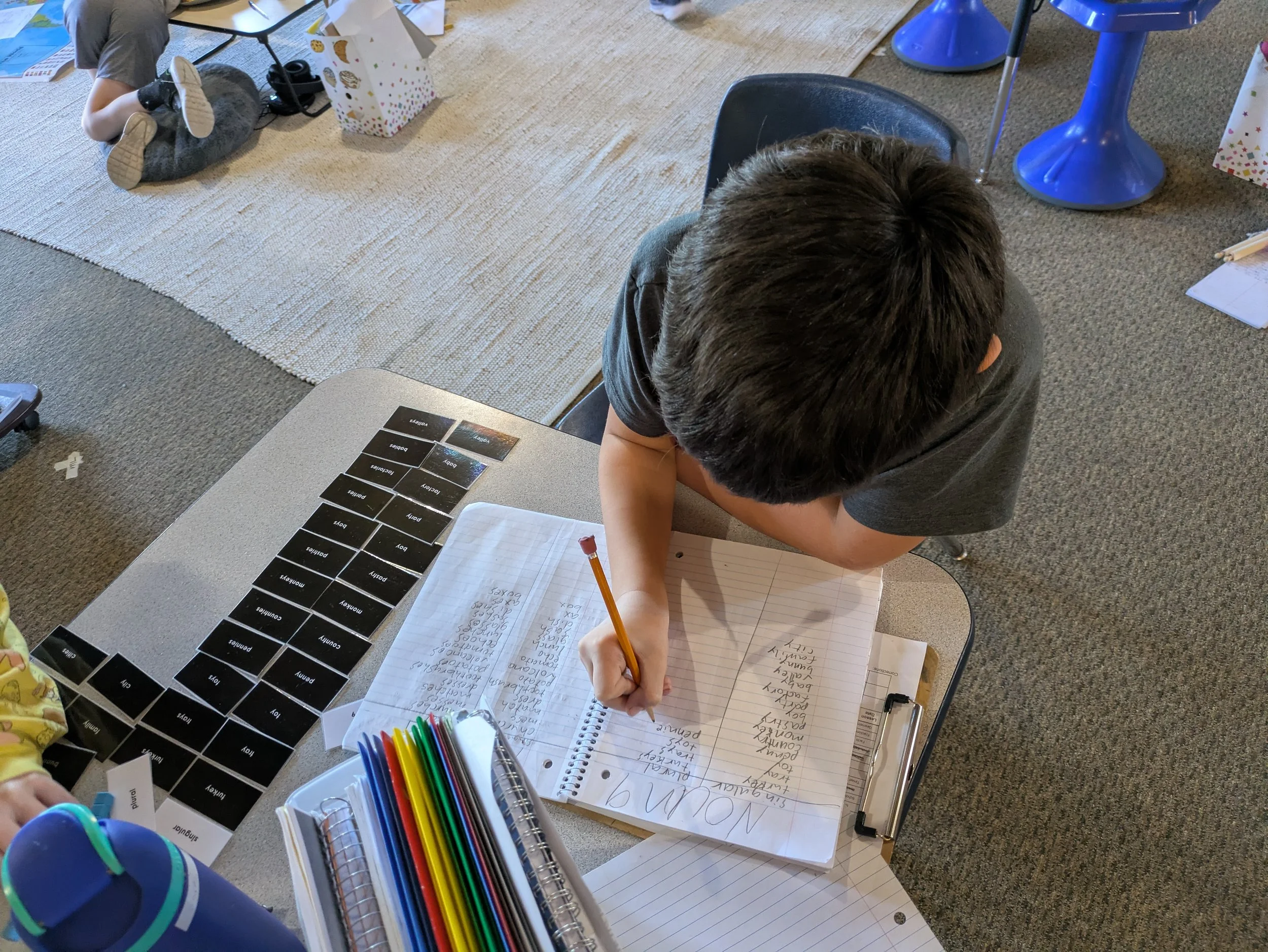
Montessori grammar materials help students physically manipulate language concepts, making sentence structure and parts of speech engaging and understandable.
By moving symbols and analyzing sentence patterns, students gain a concrete understanding of how language functions. This hands-on approach strengthens both writing and reading comprehension. Rather than viewing grammar as a set of isolated rules, children begin recognizing language as a structured and expressive system.
How It Connects Forward
This stage nurtures intellectual curiosity and responsibility. Students begin asking deeper “why” questions and learn how to independently seek answers; skills that prepare them for increasingly complex academic work. The confidence and curiosity developed in Lower Elementary become essential as students move into more advanced research, abstract reasoning, and collaborative learning.
Upper Elementary (Ages 9–12): Deepening Knowledge and Responsibility
Upper Elementary students enter a period of tremendous intellectual growth. They are capable of deeper reasoning, moral thinking, and sophisticated academic exploration. Students begin seeking greater independence while also developing a strong sense of responsibility to their classroom community and the wider world.
Advanced Research and Project-Based Learning
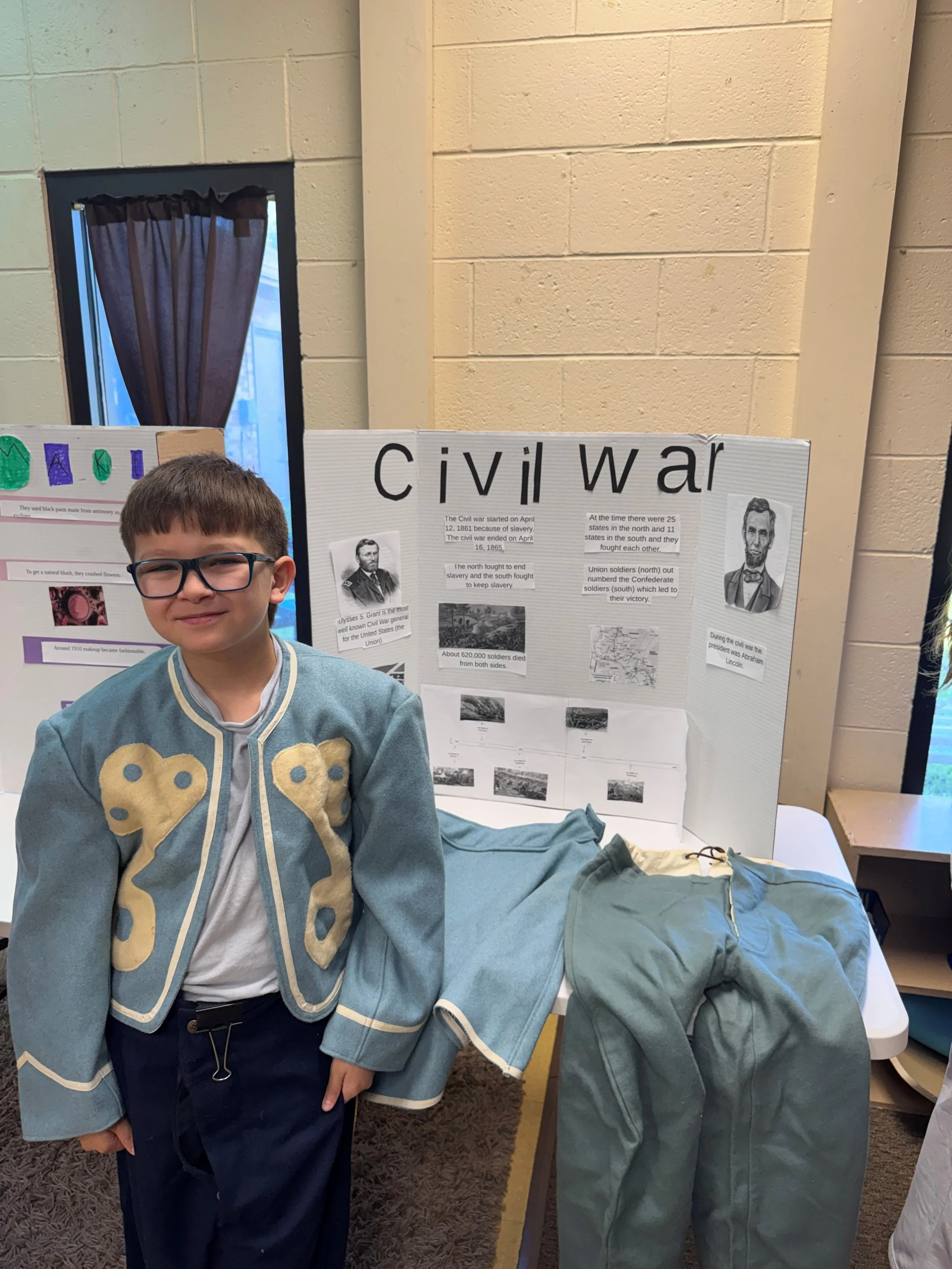
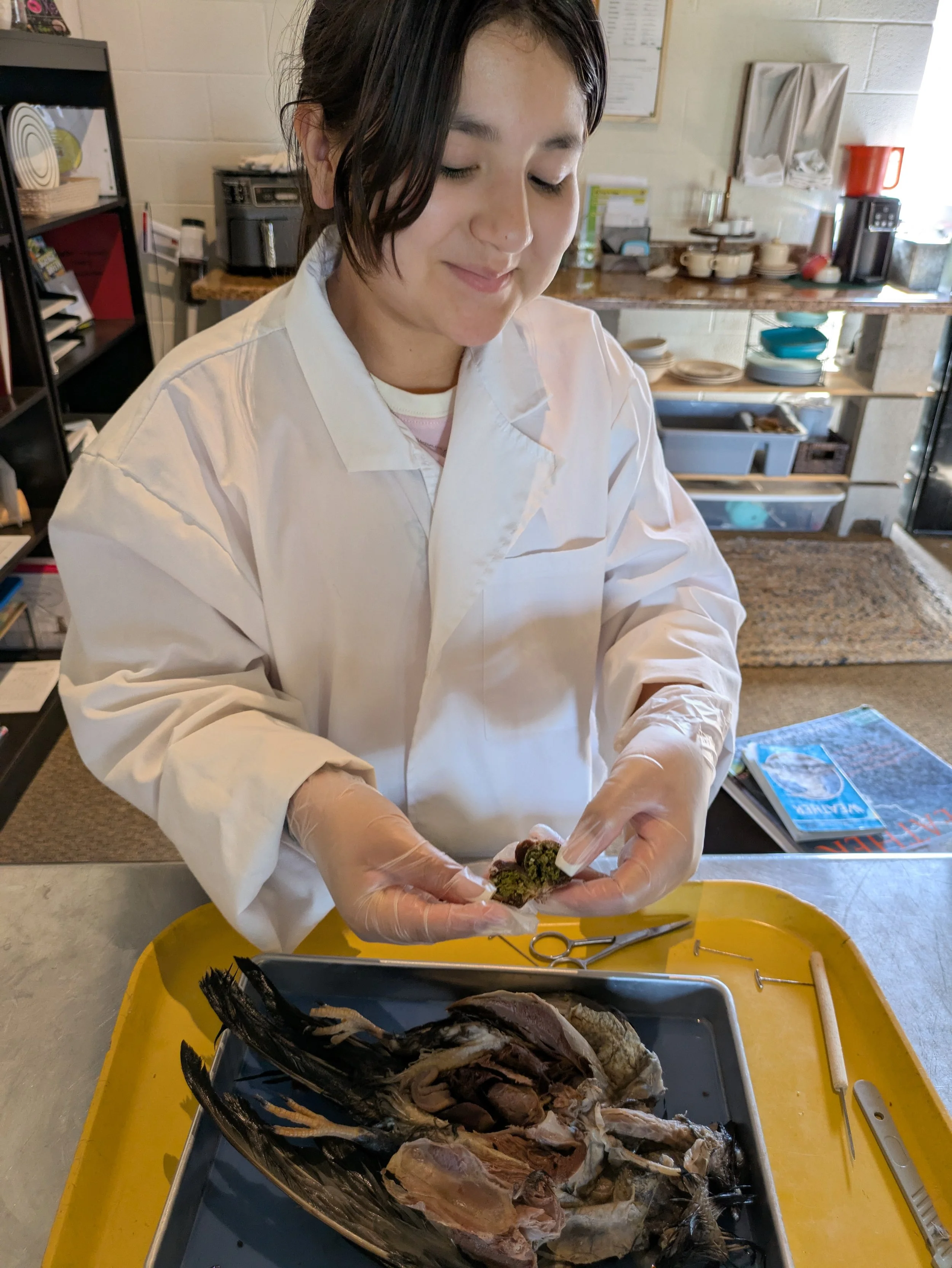
Research evolves from simple reports into multi-step investigations. Students may study ancient civilizations, ecosystems, economics, literature, or scientific phenomena through independent and collaborative projects.
Students learn how to evaluate sources, synthesize information, and present their findings in organized and creative ways. Long-term projects encourage time management, perseverance, and critical thinking. These experiences help students move beyond memorization and into true intellectual engagement.
Abstract Mathematical Mastery
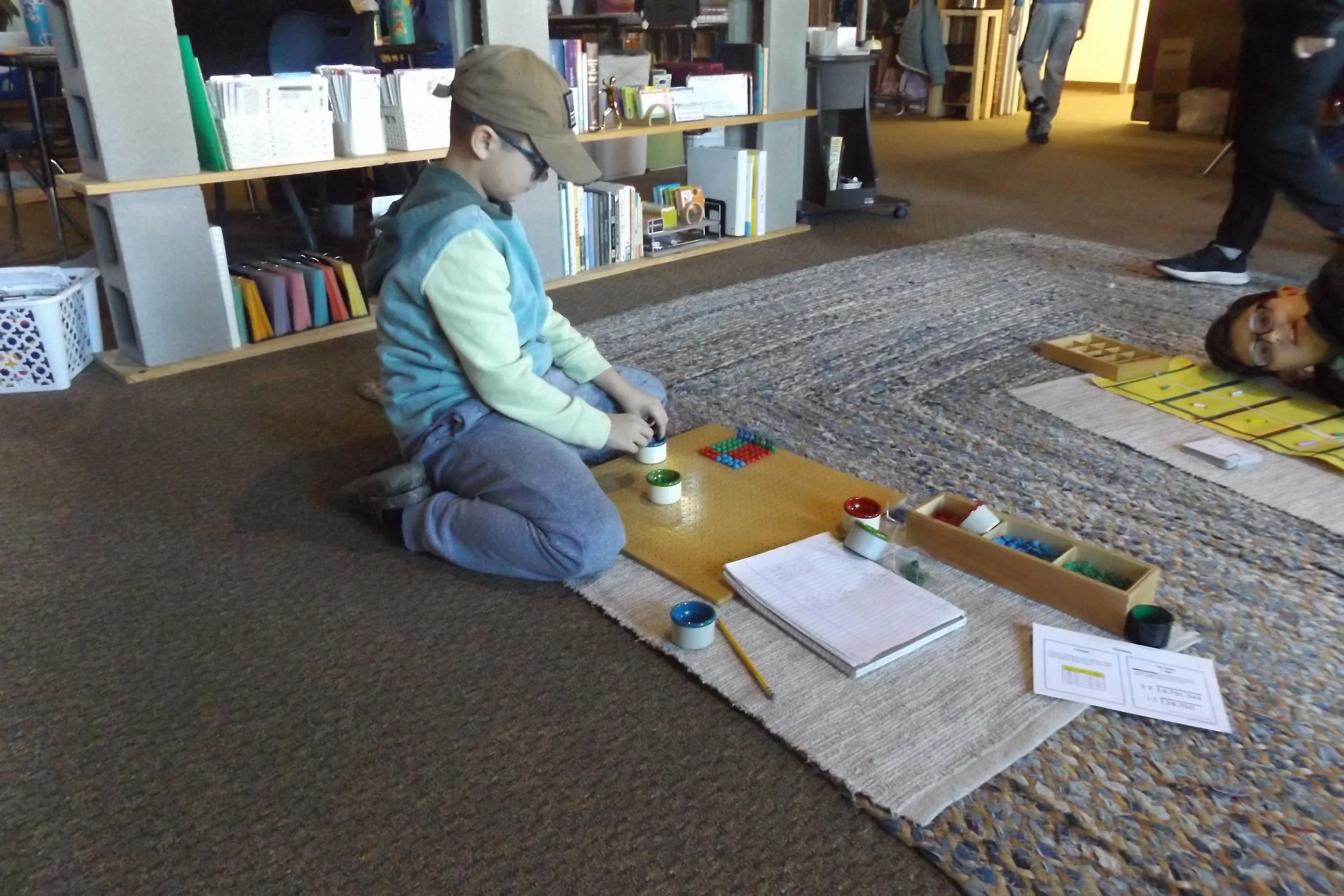
Students move confidently into advanced fractions, decimals, pre-algebra concepts, and geometry. The concrete materials that once supported understanding gradually fade as abstract reasoning strengthens.
Because students spent years building mathematical understanding concretely, they are able to approach advanced concepts with confidence and flexibility. They begin solving multi-step problems, identifying patterns, and explaining their reasoning clearly. Mathematics becomes less about finding the right answer and more about understanding relationships and problem-solving strategies.
Writing with Purpose
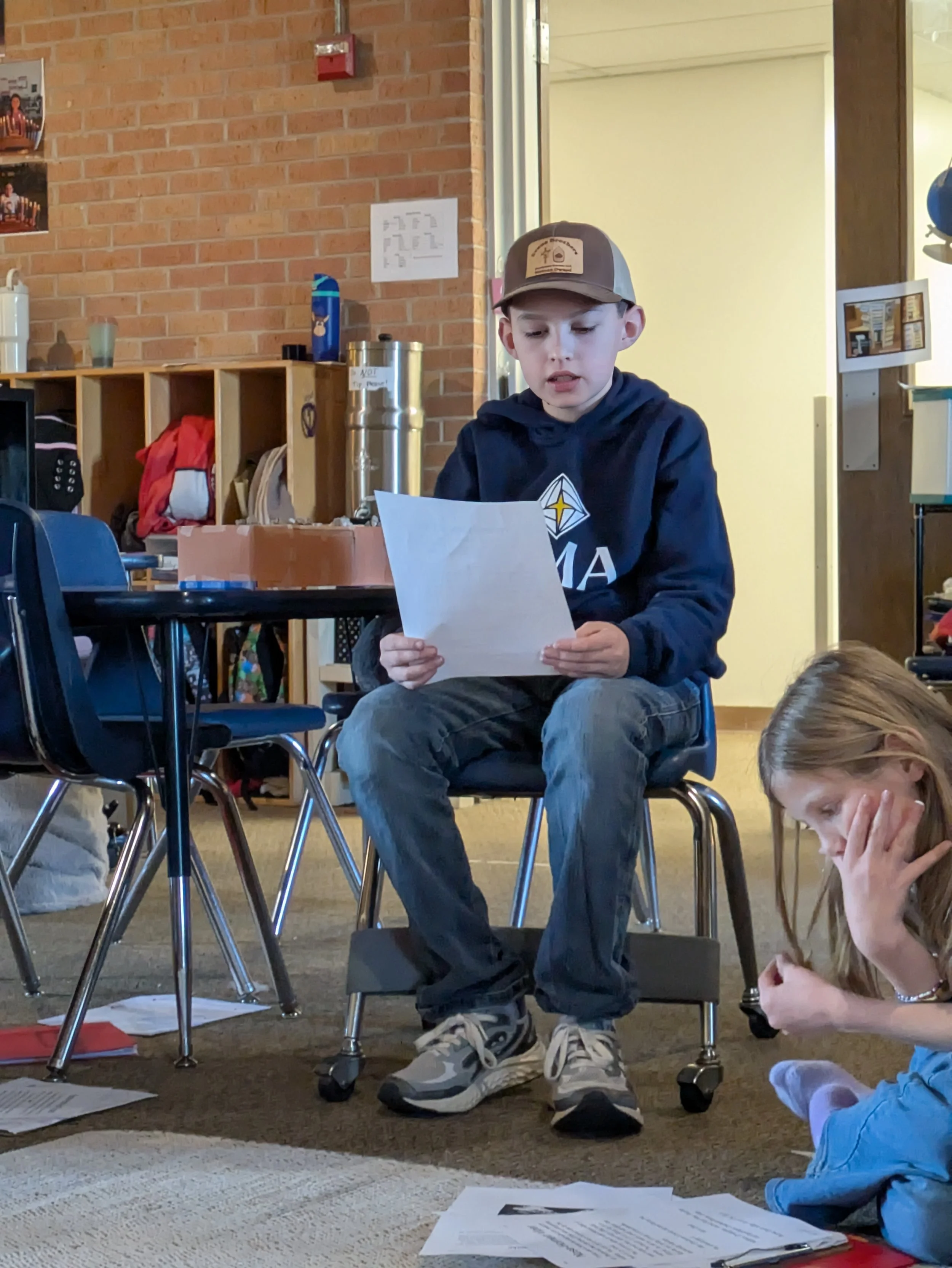
Writing expands into essays, creative stories, persuasive arguments, and formal reports. Students learn how to organize ideas, support claims, and communicate clearly.
As students mature, they begin writing for different audiences and purposes. They develop stronger voice, structure, and analytical thinking skills while learning how to revise and refine their work. Writing becomes a powerful tool for communication, reflection, and critical thought.
Interdisciplinary Connections
Montessori students begin recognizing how subjects connect. History influences science. Mathematics supports engineering. Literature reflects culture and human experience.
This integrated approach encourages students to think holistically and make meaningful connections across disciplines. Students often pursue projects that combine multiple subject areas, mirroring how knowledge works in the real world. These connections deepen understanding and encourage creativity and innovation.
Leadership and Community Contribution
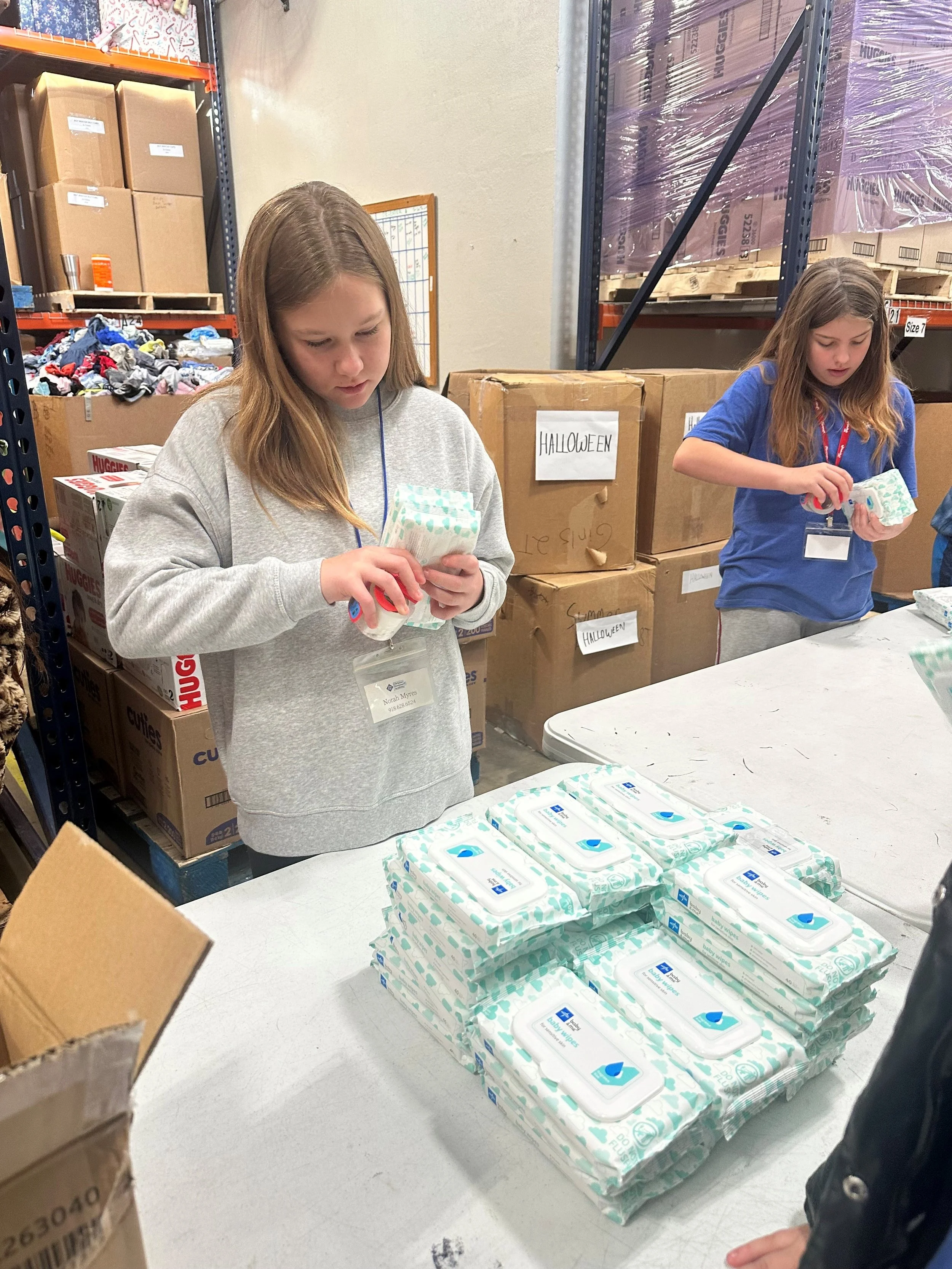
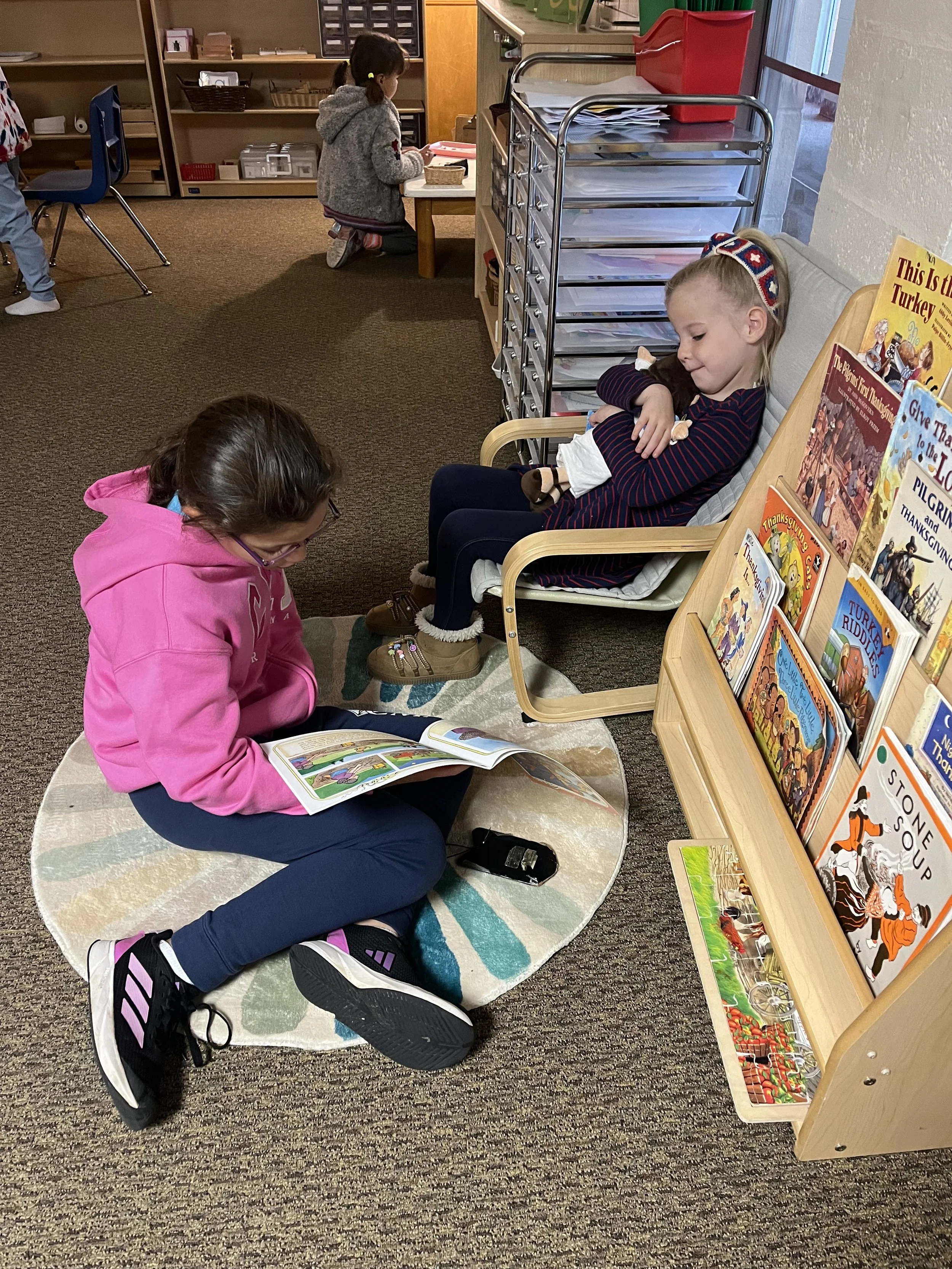
Older elementary students often mentor younger peers, organize classroom responsibilities, and contribute to community projects. Academic growth is paired with social and emotional development.
Leadership opportunities help students build empathy, accountability, and confidence. They learn that education is not only about personal achievement but also about contributing positively to others. These experiences prepare students for the increased independence and responsibility of adolescence.
How It Connects Forward
Upper Elementary students develop the executive functioning and independence needed for adolescence. They are no longer simply learning information—they are learning how to think critically, collaborate, and manage complex work. These skills provide a strong foundation for the rigorous academic and personal growth that occurs during the middle school years.
Middle School (Ages 12–15): Applying Knowledge to the Real World
Adolescence marks a major transformation in Montessori education. Middle school students seek purpose, social connection, and opportunities to contribute meaningfully to the world around them. Montessori programs support this developmental stage by combining rigorous academics with real-world experiences and increasing independence.
Sophisticated Research Projects
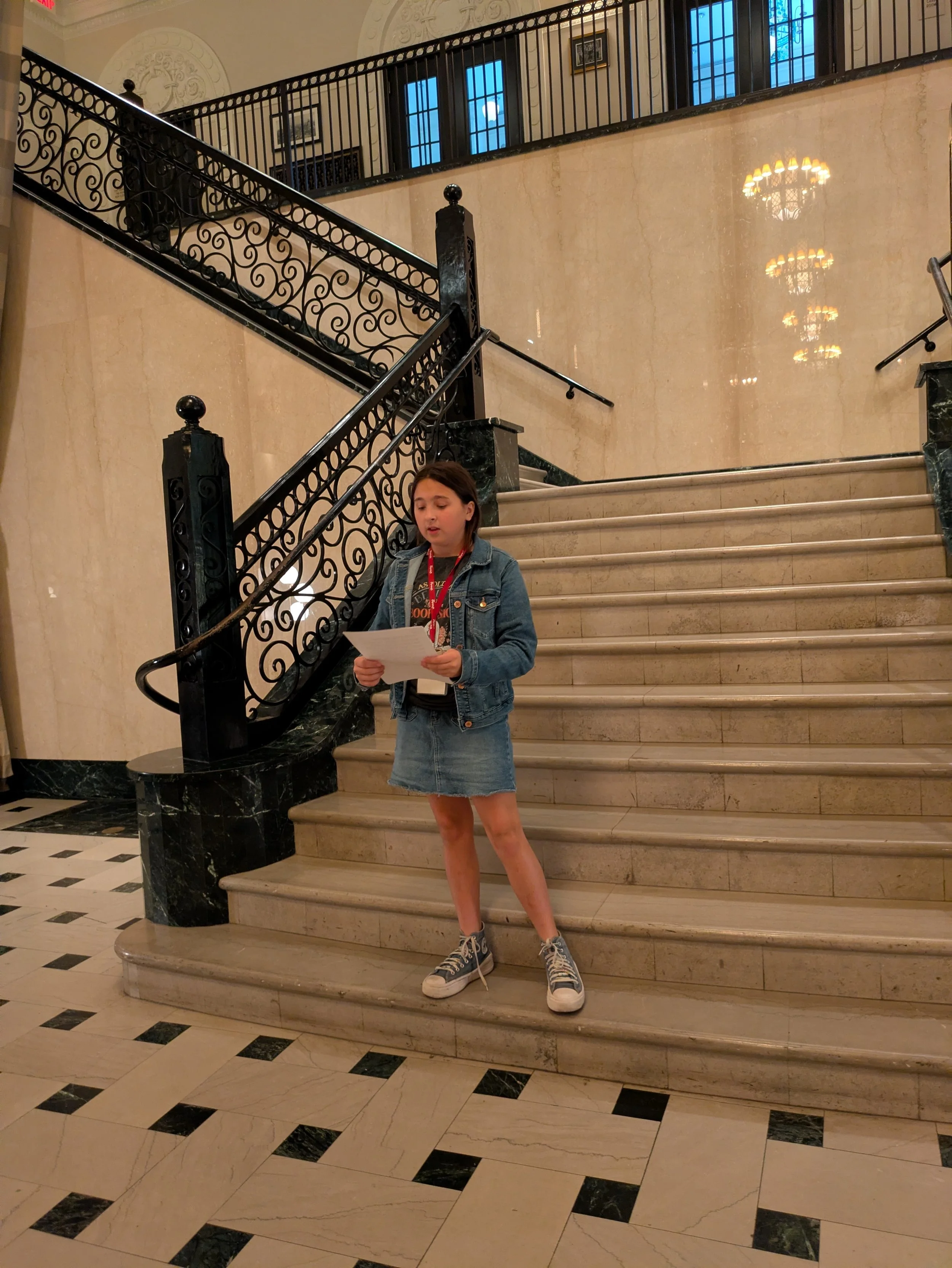
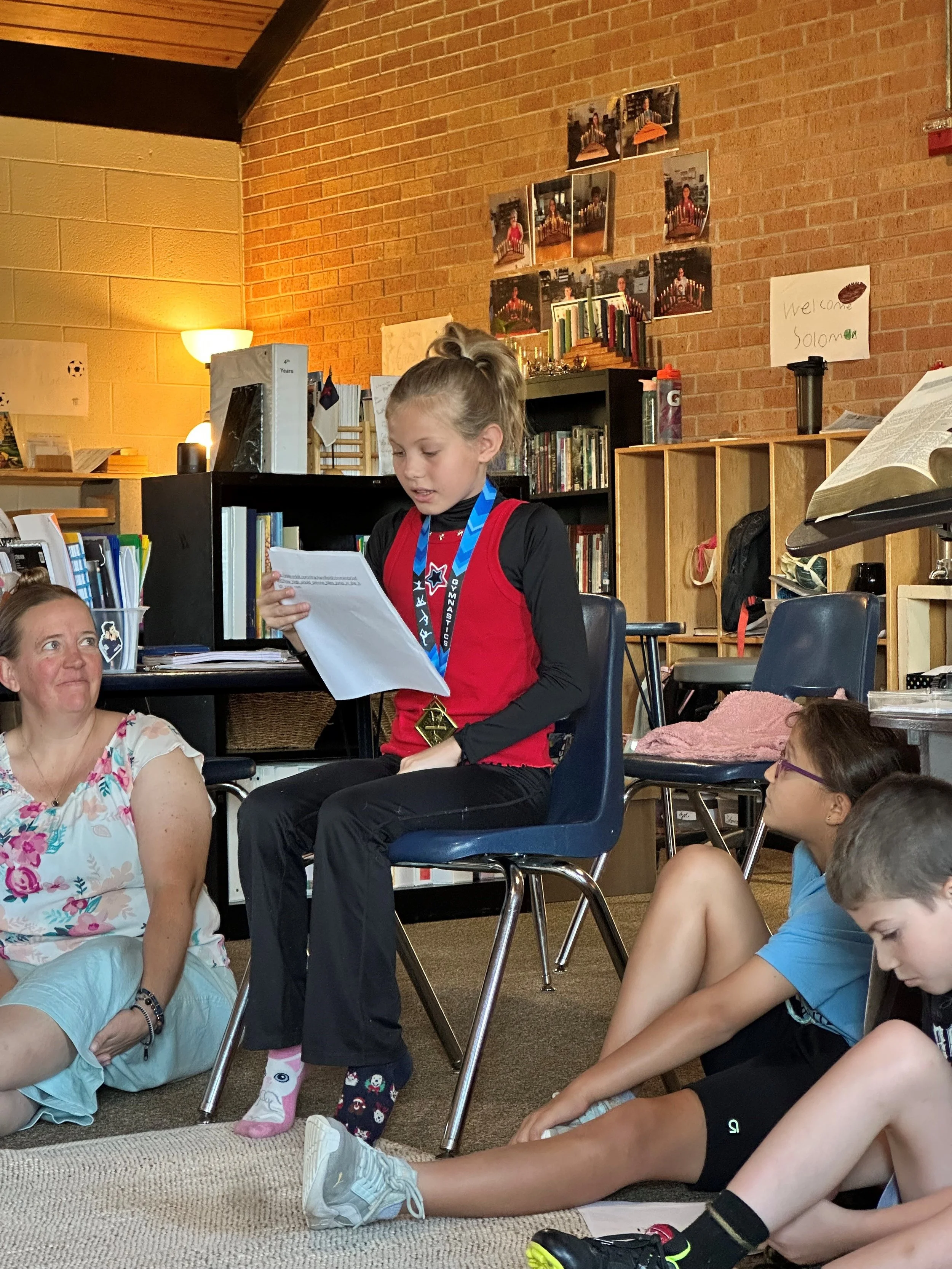
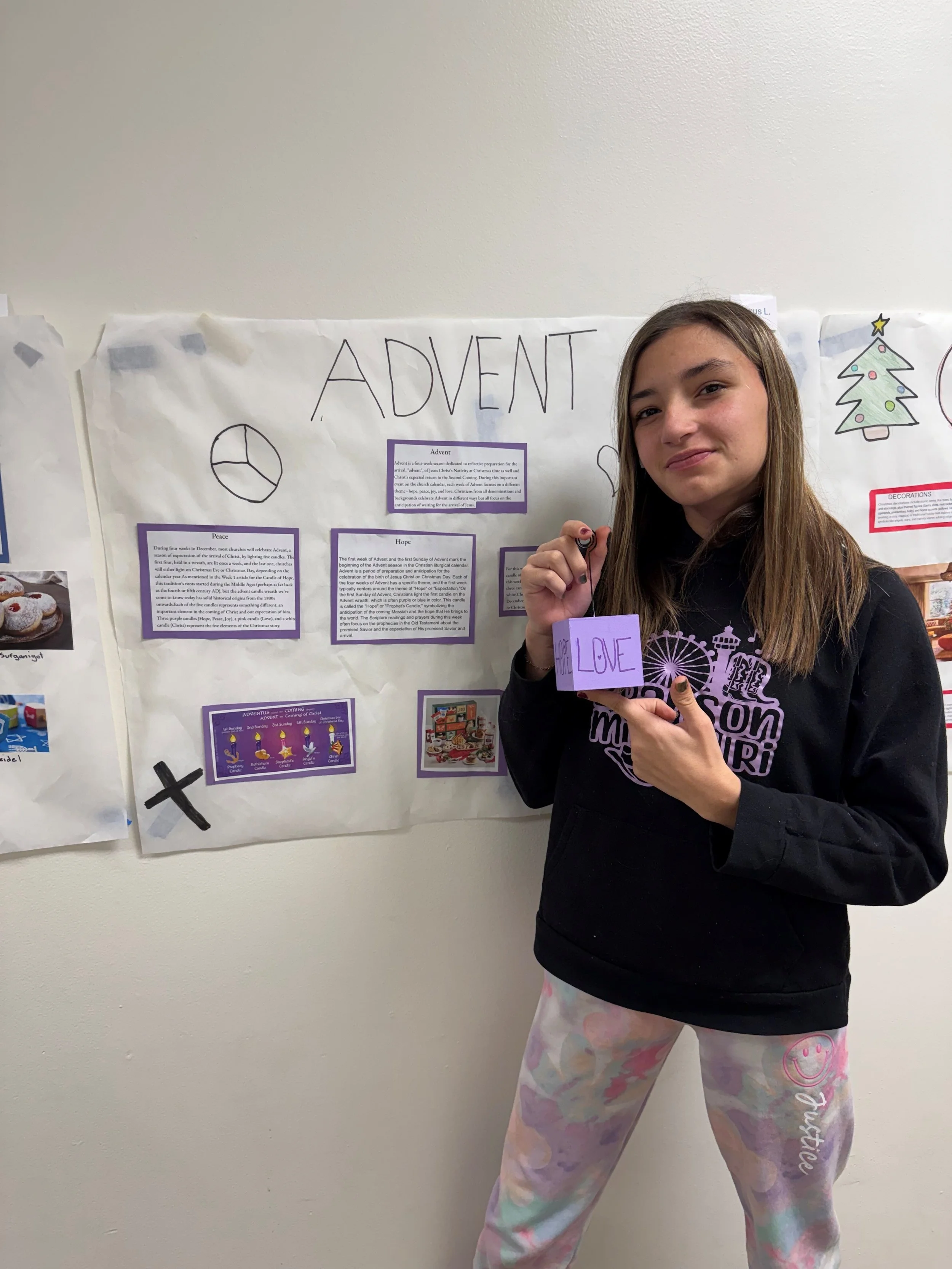
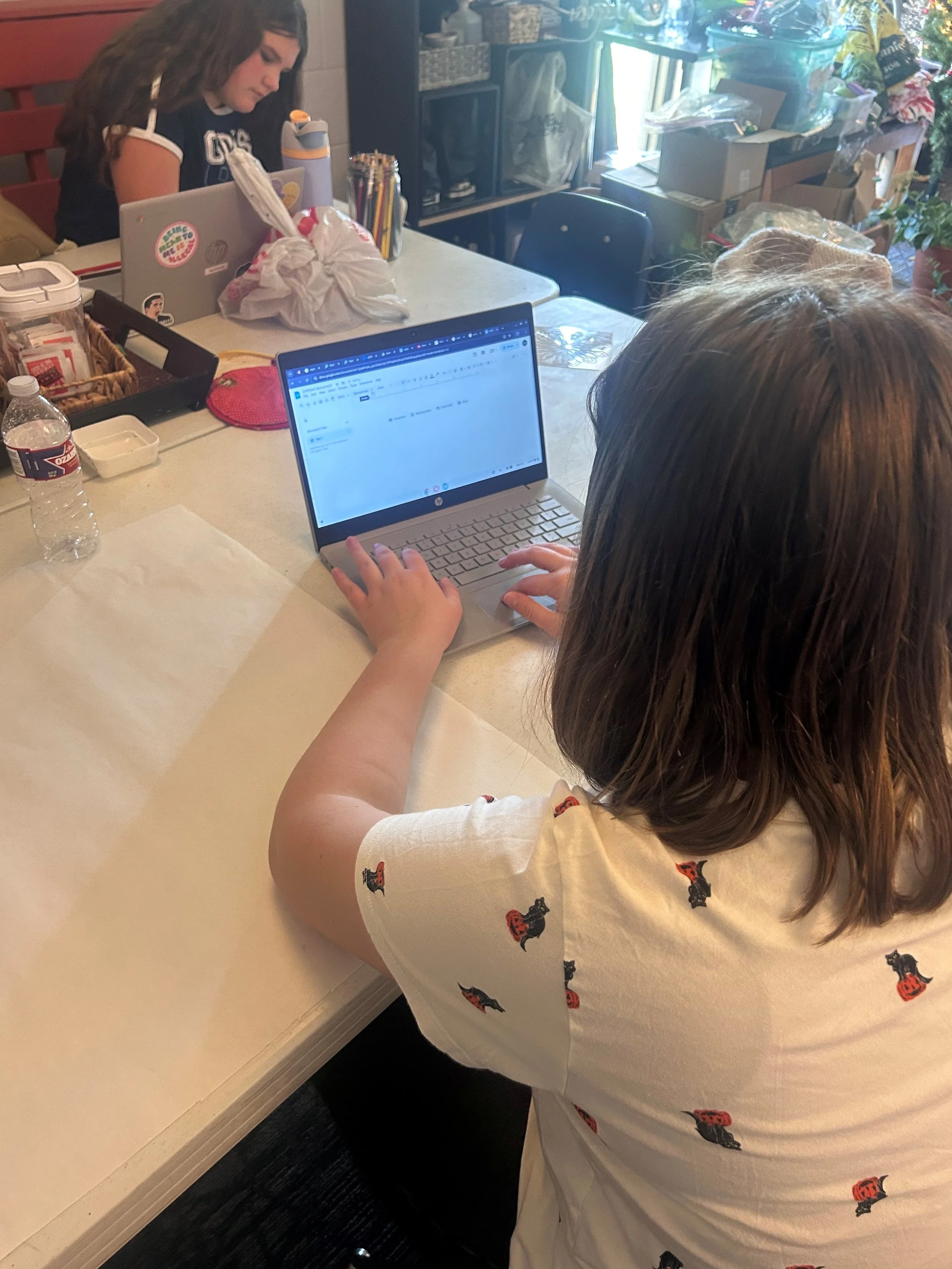
Students engage in in-depth research, often integrating multiple disciplines into one project. They learn to evaluate sources, synthesize information, write formally, and present findings confidently.
Research projects at this level require students to think critically, defend ideas with evidence, and communicate effectively to others. Students often explore topics connected to real-world issues, personal interests, or community needs. These experiences prepare students for high school, college, and lifelong learning.
A research project at this age is the culmination of years of curiosity-driven learning that began with simple exploration in Early Childhood.
Seminar Discussions and Critical Thinking
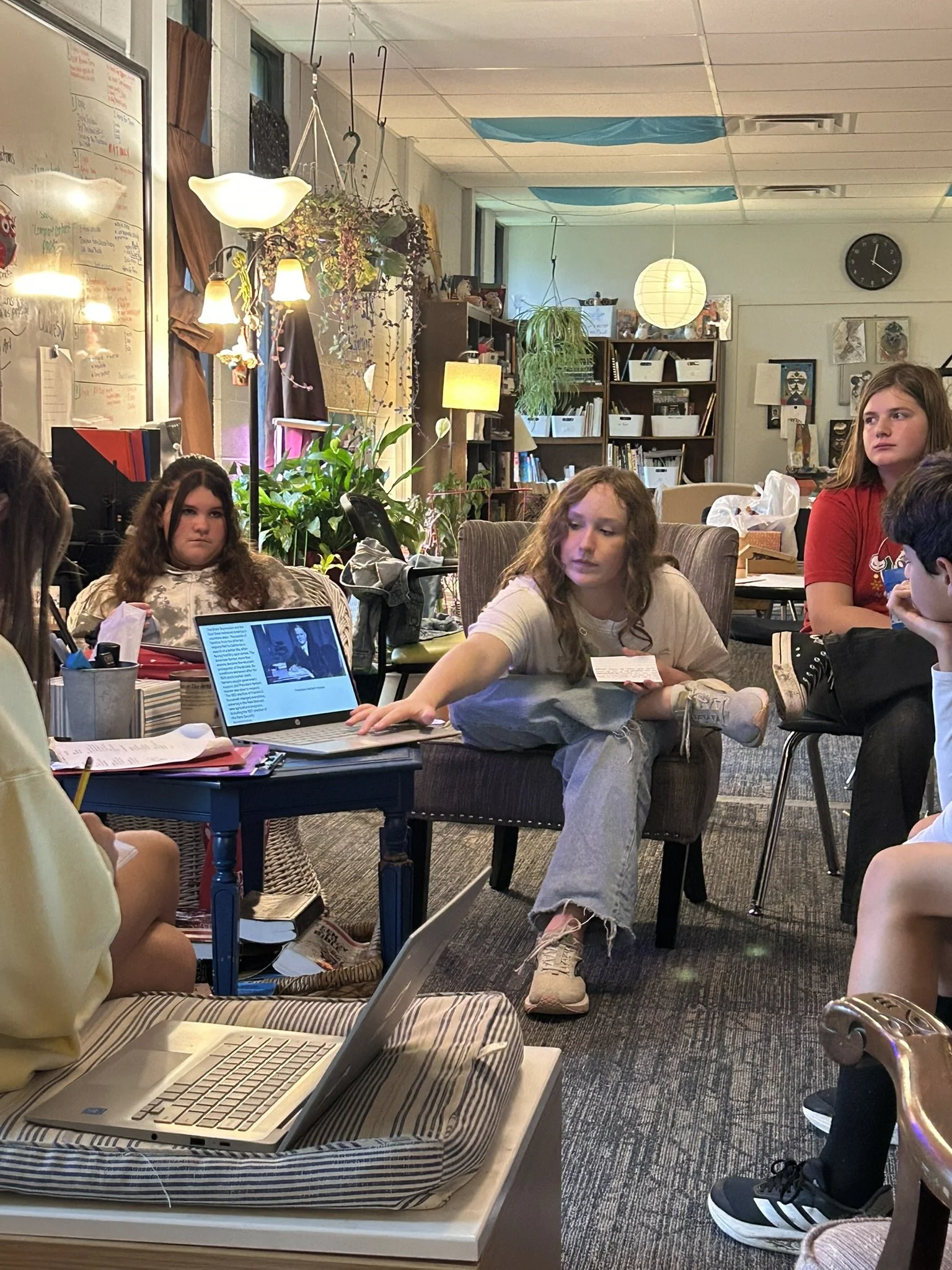
Middle school students analyze literature, historical events, scientific ethics, and societal issues through discussion and debate. They learn to support ideas with evidence and respectfully consider multiple perspectives.
These conversations strengthen analytical thinking, listening skills, and respectful communication. Students begin forming their own informed opinions while learning how to engage thoughtfully with differing viewpoints. Seminar-style learning helps adolescents become confident thinkers and articulate communicators.
Real-World Application of Mathematics and Science
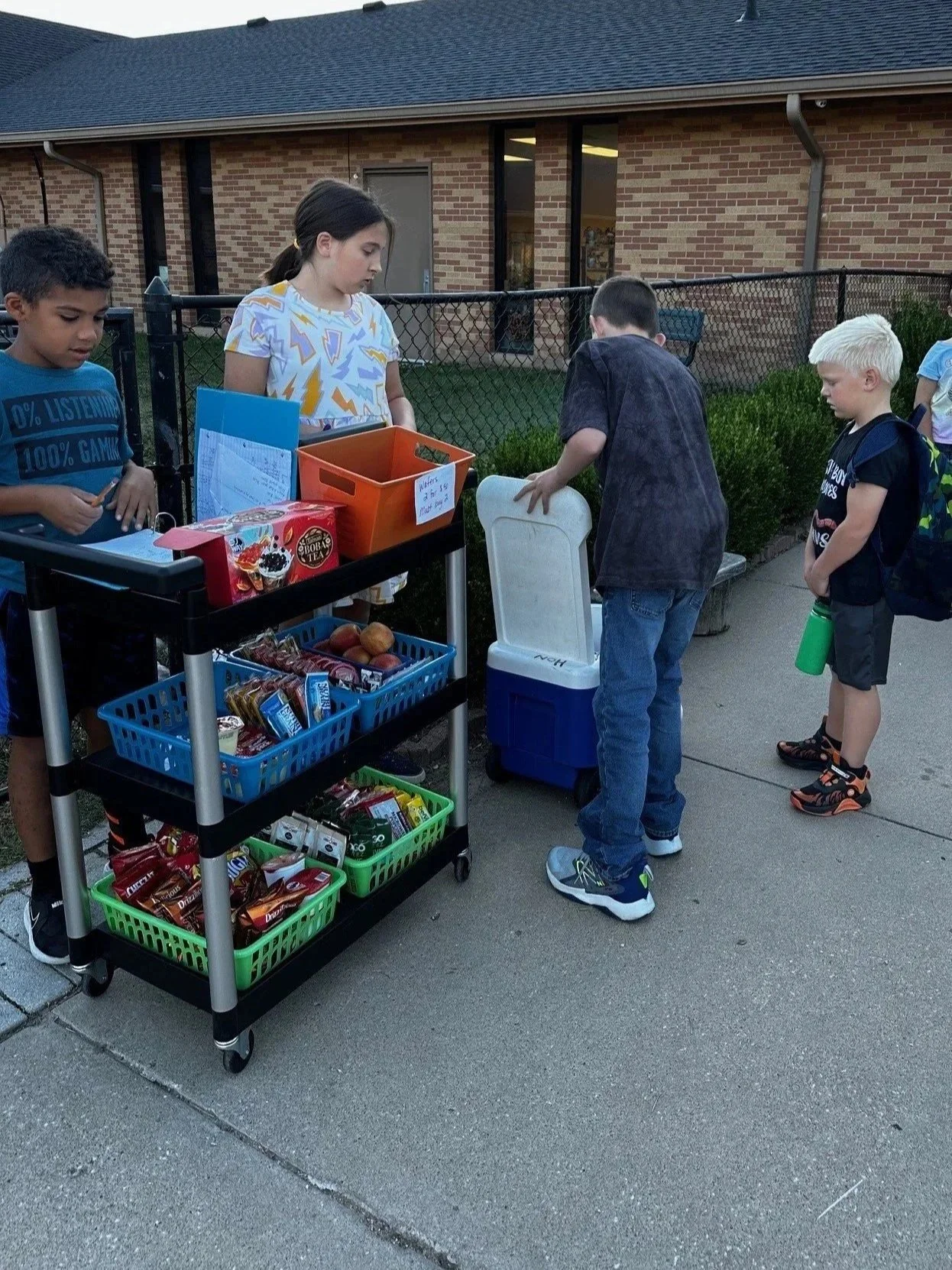
Students apply mathematical reasoning and scientific inquiry to practical challenges, experiments, budgeting, engineering tasks, and entrepreneurial experiences.
Learning becomes increasingly connected to authentic, real-life situations. Students begin understanding how academic concepts apply beyond the classroom and can be used to solve meaningful problems. This relevance helps maintain engagement and motivates deeper understanding.
Independence and Time Management
Adolescents manage long-term assignments, balance responsibilities, and participate in self-directed learning. These executive functioning skills prepare them for high school and beyond.
Students learn how to plan ahead, prioritize tasks, and take ownership of their work. Montessori environments provide freedom paired with accountability, allowing adolescents to practice managing increasing independence in a supportive setting. These skills become essential for future academic and personal success.
Identity and Contribution
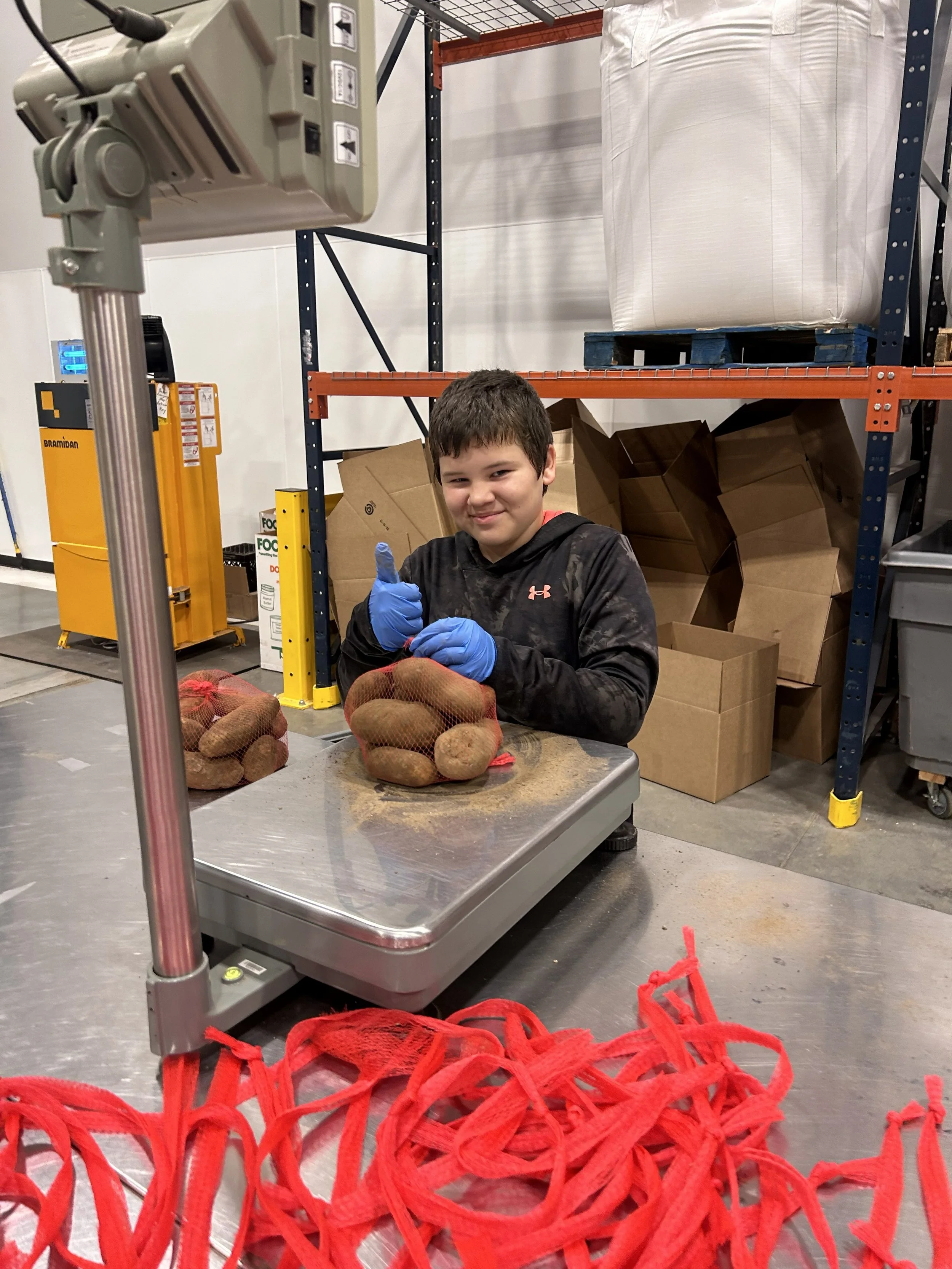
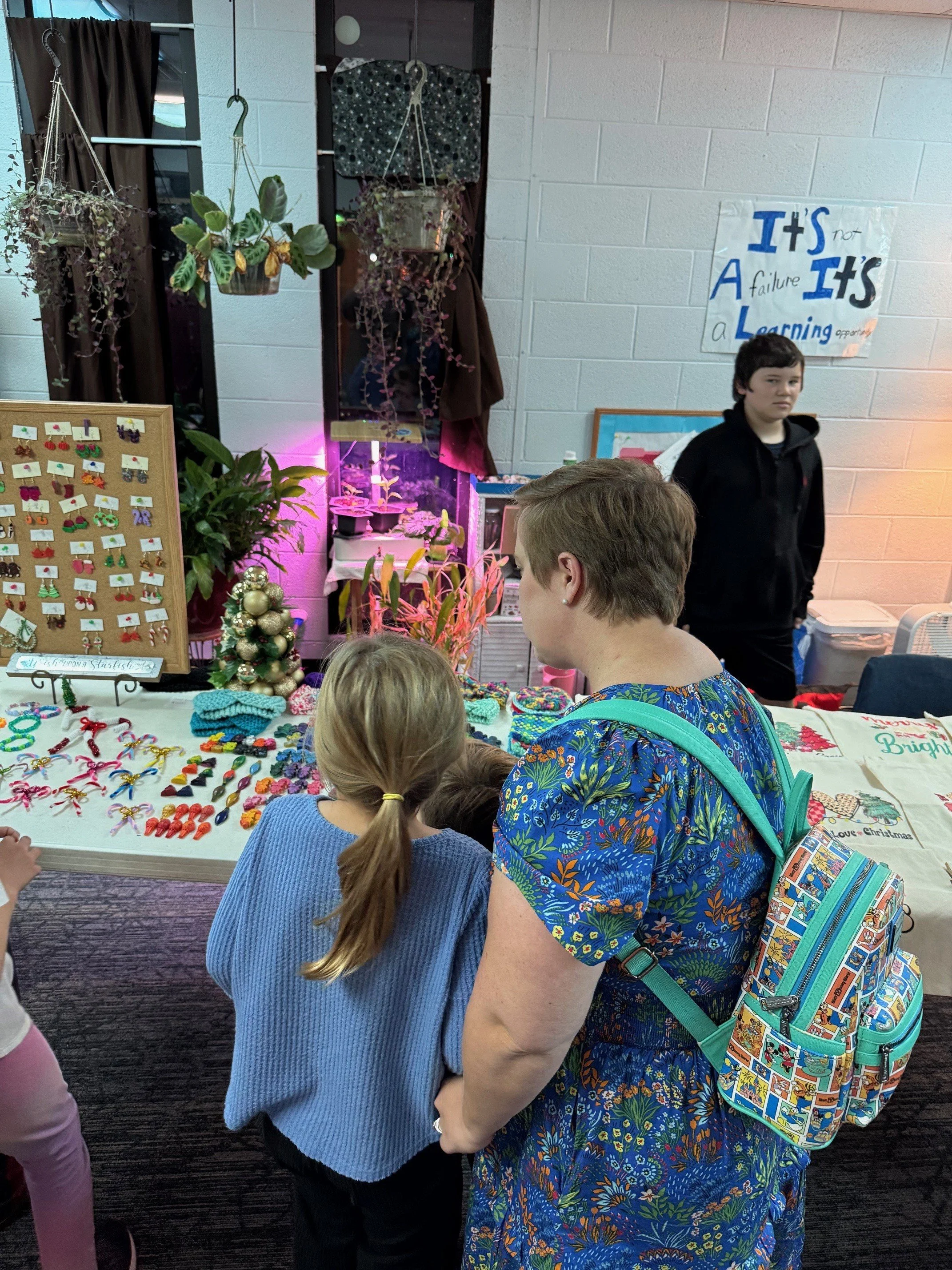
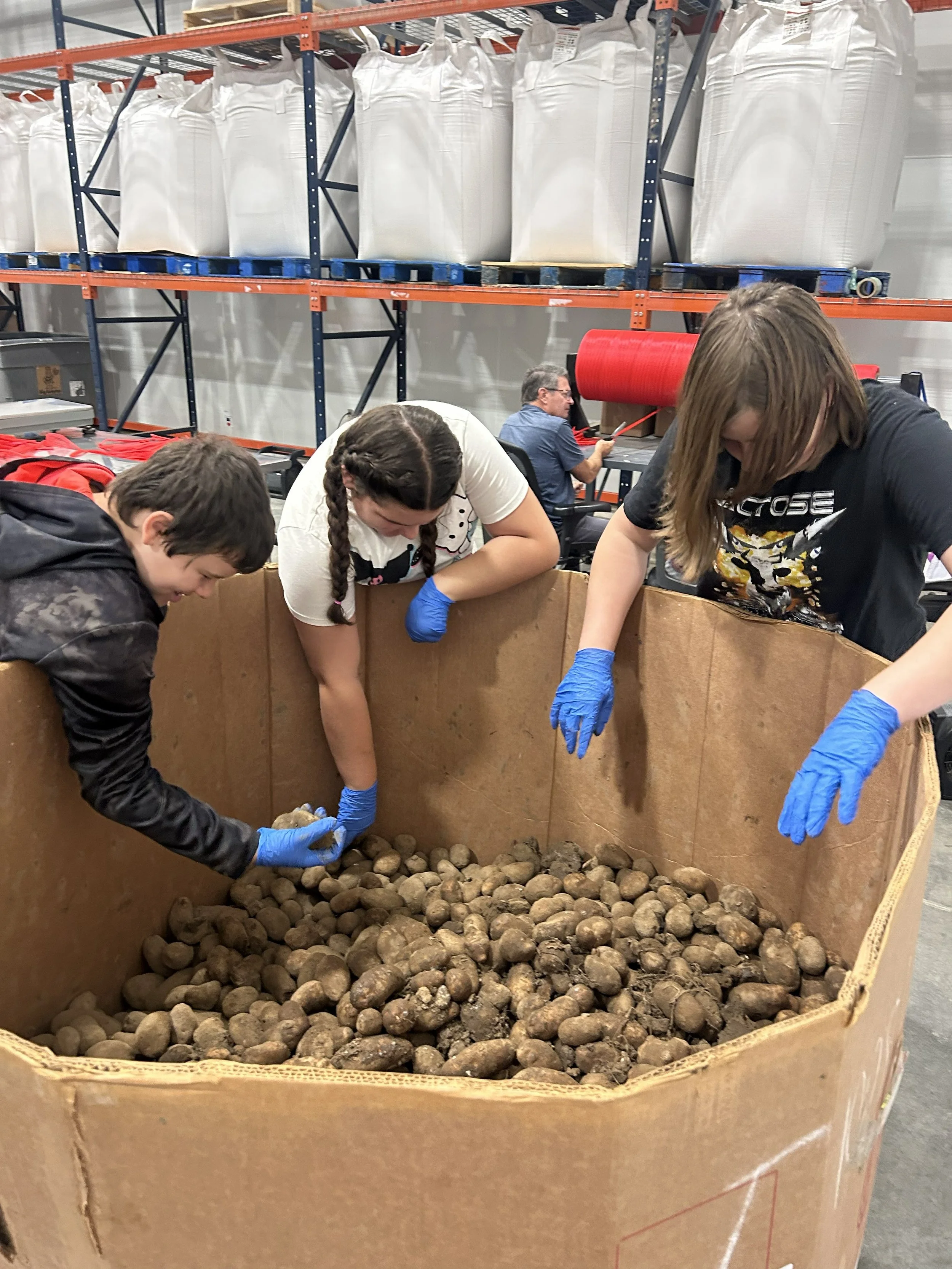
Montessori middle school programs often include service learning, internships, micro-economy projects, or community engagement opportunities. Students begin seeing themselves as capable contributors to society.
Adolescents are naturally driven to seek purpose and meaningful contribution. Through real-world experiences, students develop confidence, empathy, and a stronger understanding of their role within a larger community. Montessori education encourages students to see themselves not just as learners, but as thoughtful and responsible citizens.
How It Connects Forward
By age 15, Montessori students have experienced years of connected, meaningful learning. They understand not only academic concepts, but also how to learn independently, think critically, and contribute thoughtfully to their communities. These students leave middle school with both strong academic preparation and a deep sense of confidence in their ability to navigate the world.
The Montessori Journey: A Connected Path
What makes Montessori education so unique is not simply the materials or the classroom environment—it is the intentional progression of learning across every stage of development.
The child who carefully traced sandpaper letters at age four may one day write a compelling research paper at age fourteen. The student who once counted colorful bead chains may later solve complex algebraic problems with confidence and understanding.
Each milestone matters because each one is connected.
Montessori education honors the whole child at every stage, nurturing not only academic excellence, but also curiosity, independence, creativity, and purpose. As children grow from preschool explorers into thoughtful young adults, their learning journey becomes a powerful story of connection, discovery, and lifelong growth.