
From Practical Life to Problem Solving: Building Executive Functioning Skills
Executive function is the mental processes that allow us to plan, focus attention, remember instructions, manage emotions, and navigate complex tasks. These abilities are essential not only for academic success but for life. In a Montessori environment, executive function is not taught in isolation. Instead, it is intentionally woven into the daily experiences of the child, beginning in the earliest years and continuing through middle school.
What Are Executive Functioning Skills?
Executive function includes three core areas:
Working memory – holding and using information in the mind
Cognitive flexibility – adapting to new situations and perspectives
Inhibitory control – managing impulses and self-regulation
These skills develop gradually over time and are deeply connected to independence, confidence, and social-emotional growth.
Children’s House (Ages 3–6): The Foundation Through Practical Life
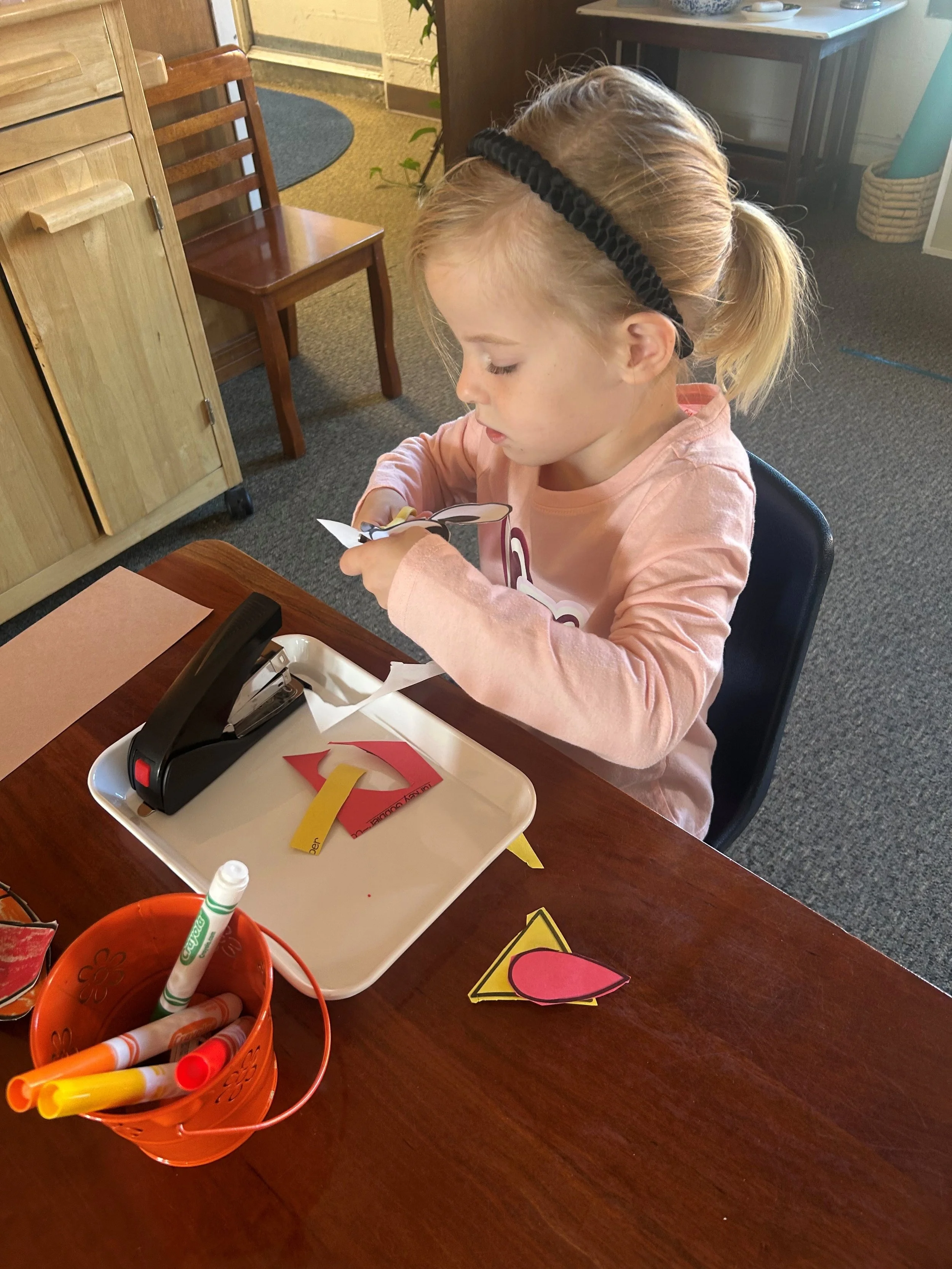
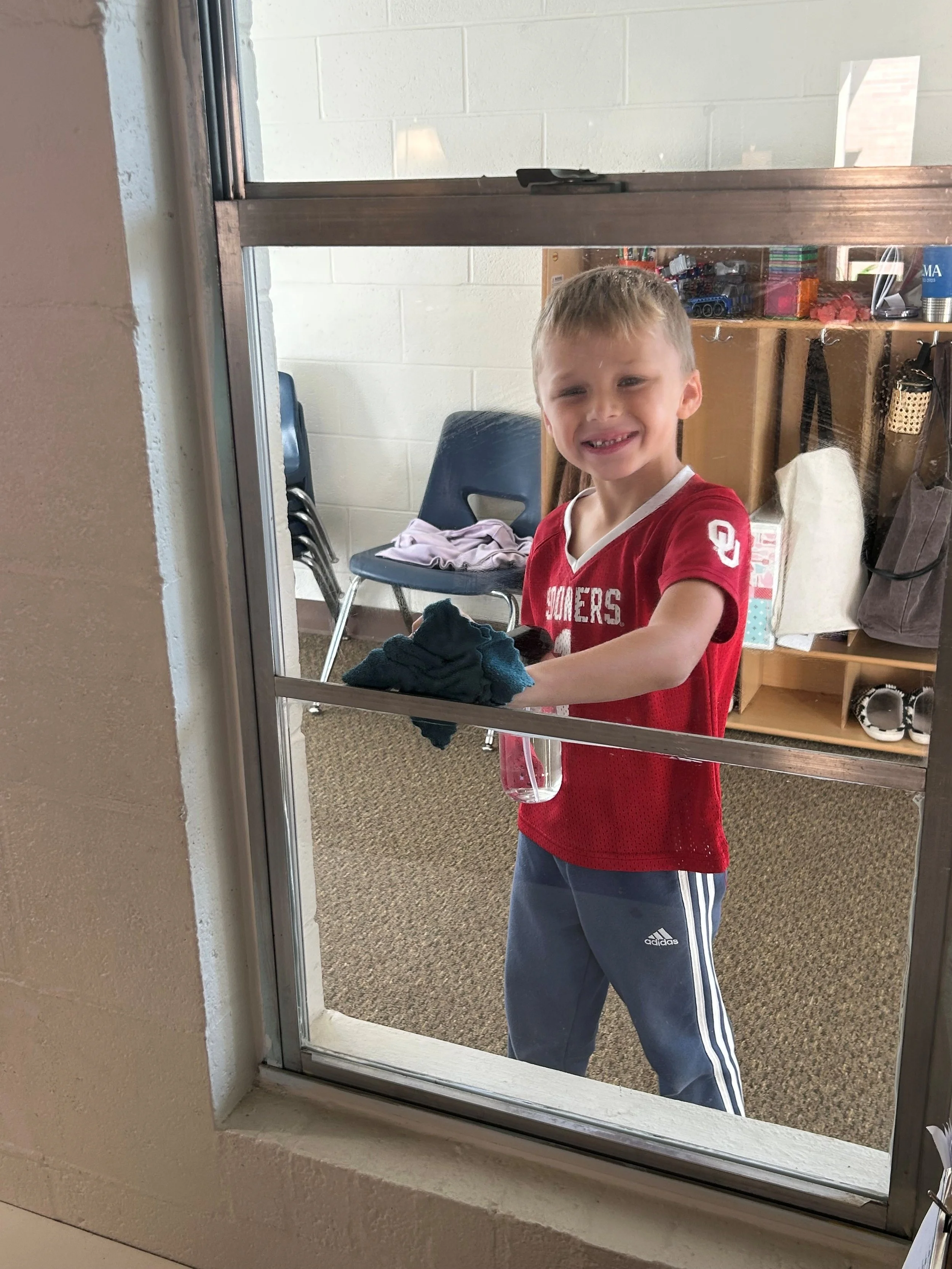
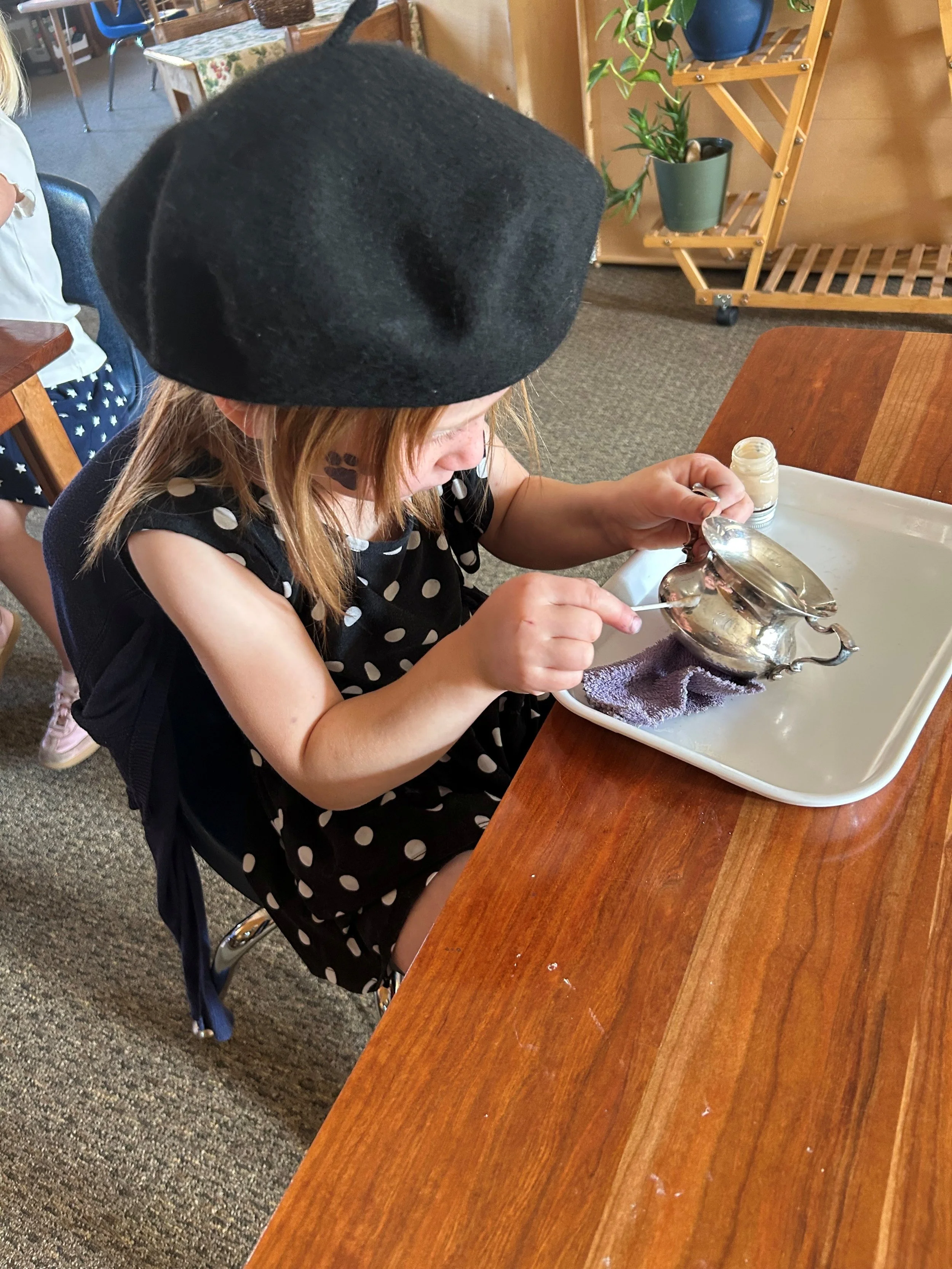
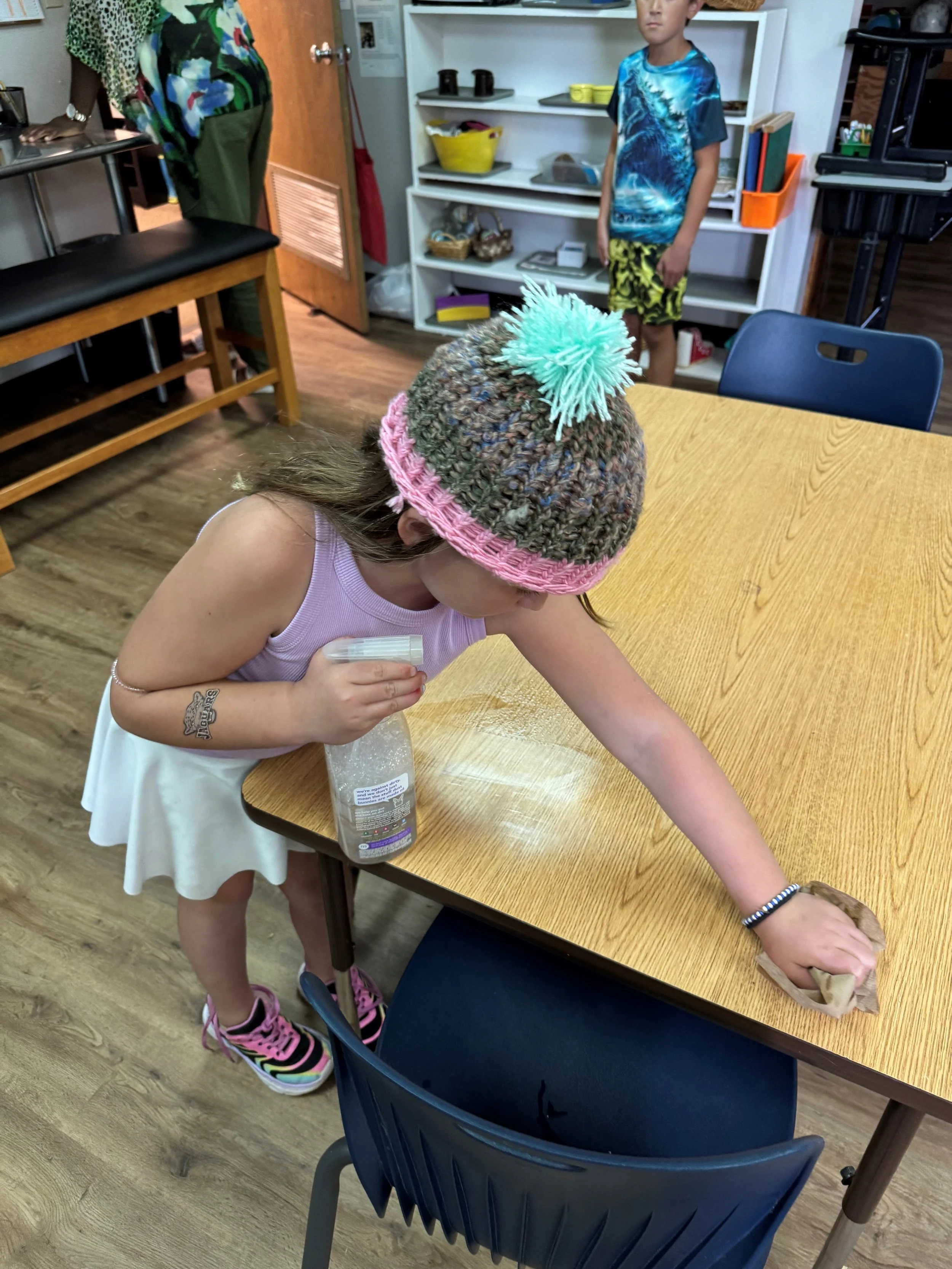
In Children’s House the foundation for executive function is built through Practical Life work. These activities—such as pouring water, preparing food, washing tables, or buttoning clothing—are carefully designed to engage the child in purposeful movement and thoughtful sequencing. While they may appear simple, they require concentration, coordination, and attention to detail.
When a child chooses a work, carries it to a table, completes each step, and returns it to the shelf, they are practicing:
Sequencing and planning
Sustained focus
Self-control and independence
Just as importantly, they learn to recognize and correct their own mistakes, building both resilience and confidence.
Social-Emotional Growth: The Peace Table
Alongside these practical experiences, young children begin developing the social and emotional aspects of executive function. In many Montessori Children’s House environments, this is supported through the use of a peace table. The peace table provides a structured, respectful space where children can go to resolve conflicts. These early experiences with communication and empathy are critical in helping children begin to regulate their emotions and understand different perspectives.
At the peace table, children are guided to:
Express their feelings using words
Listen to others’ perspectives
Work toward a peaceful resolution
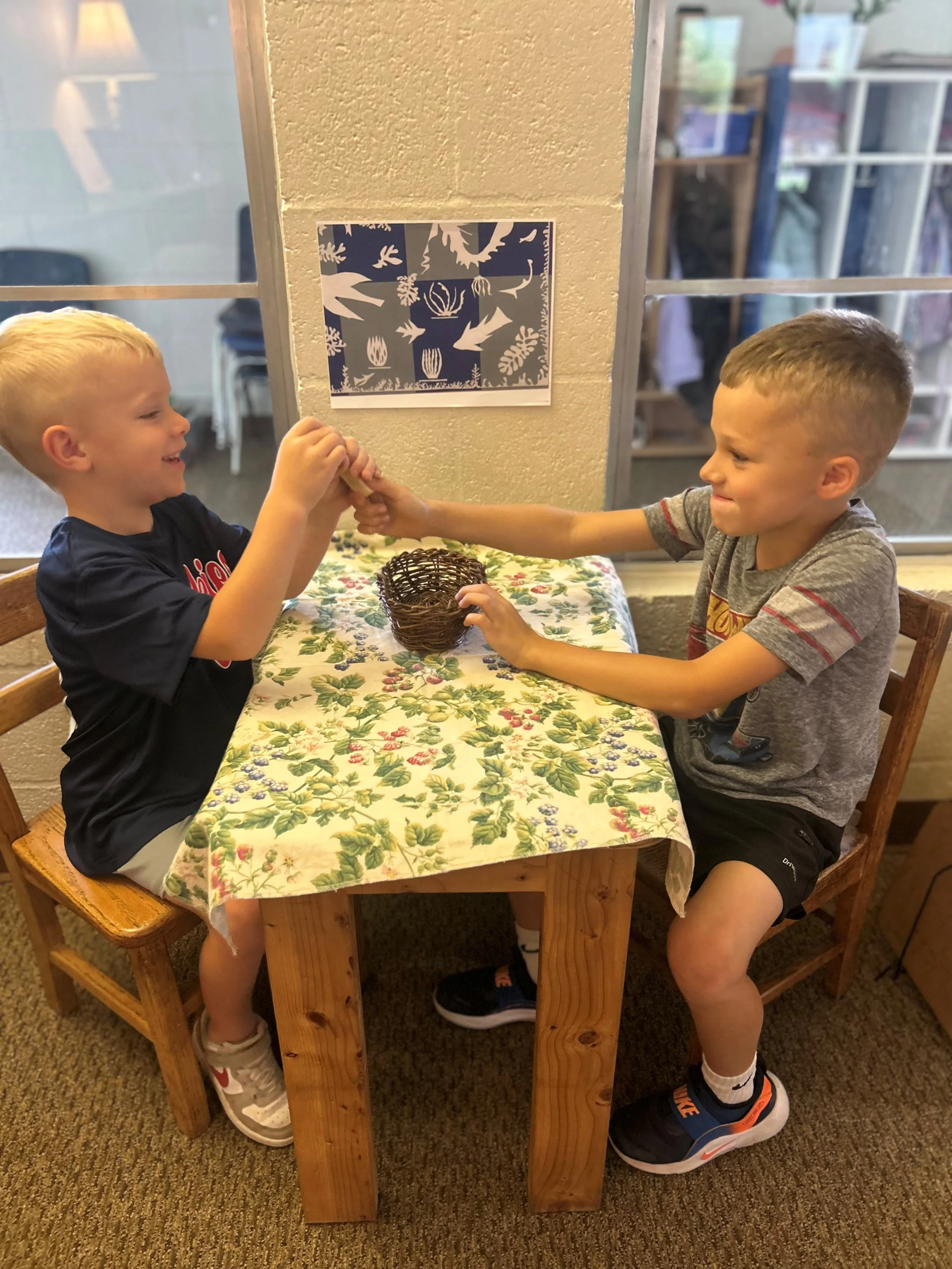
In our Children’s House, two students utilize the peace table to share their feelings and find a solution to move forward.
Lower & Upper Elementary (Ages 6–12): Expanding Into Problem Solving
As children grow, so do the demands on their executive function. In the elementary years, students are given more responsibility, freedom, and opportunities for collaboration.
Academic Independence
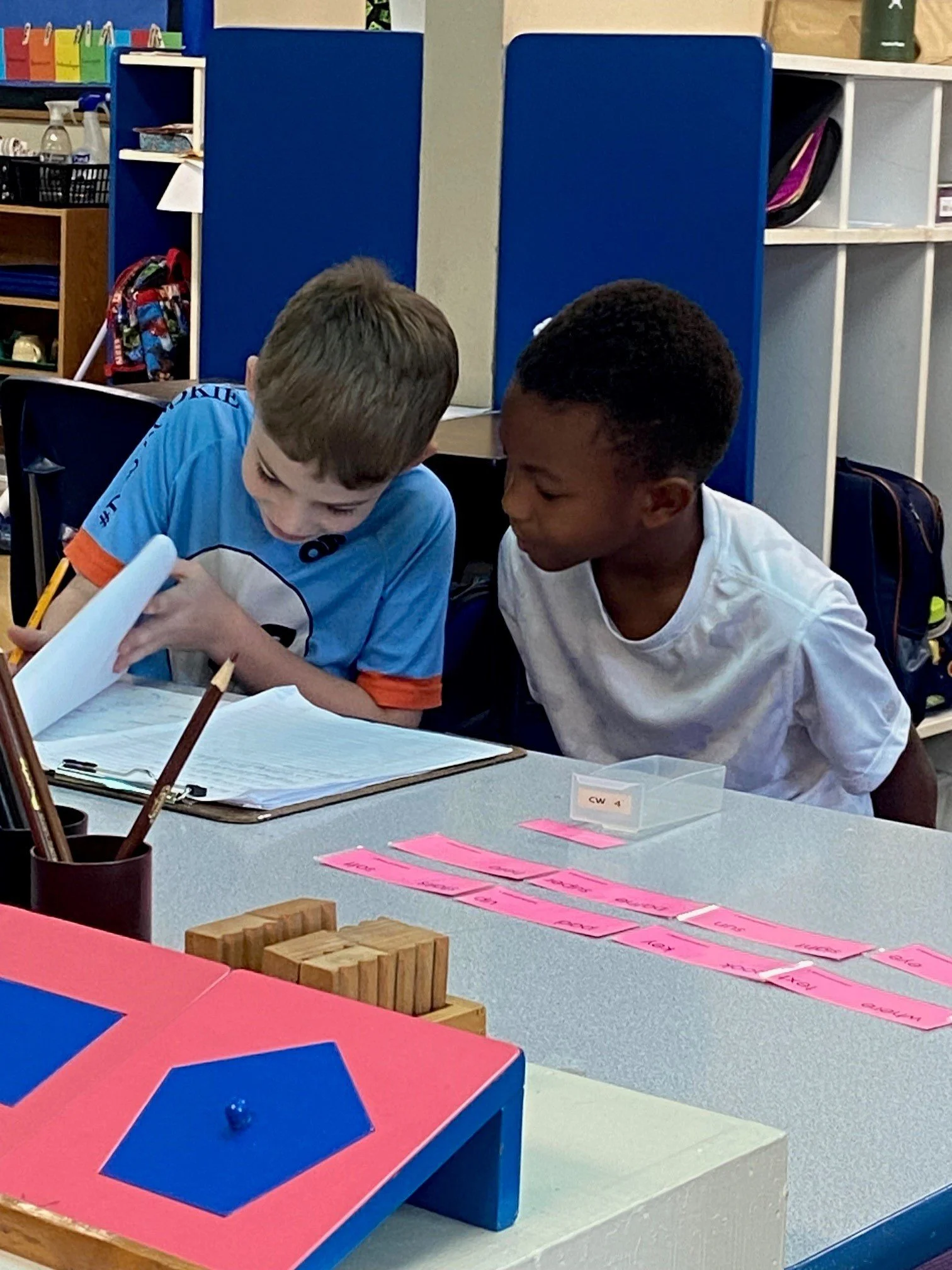
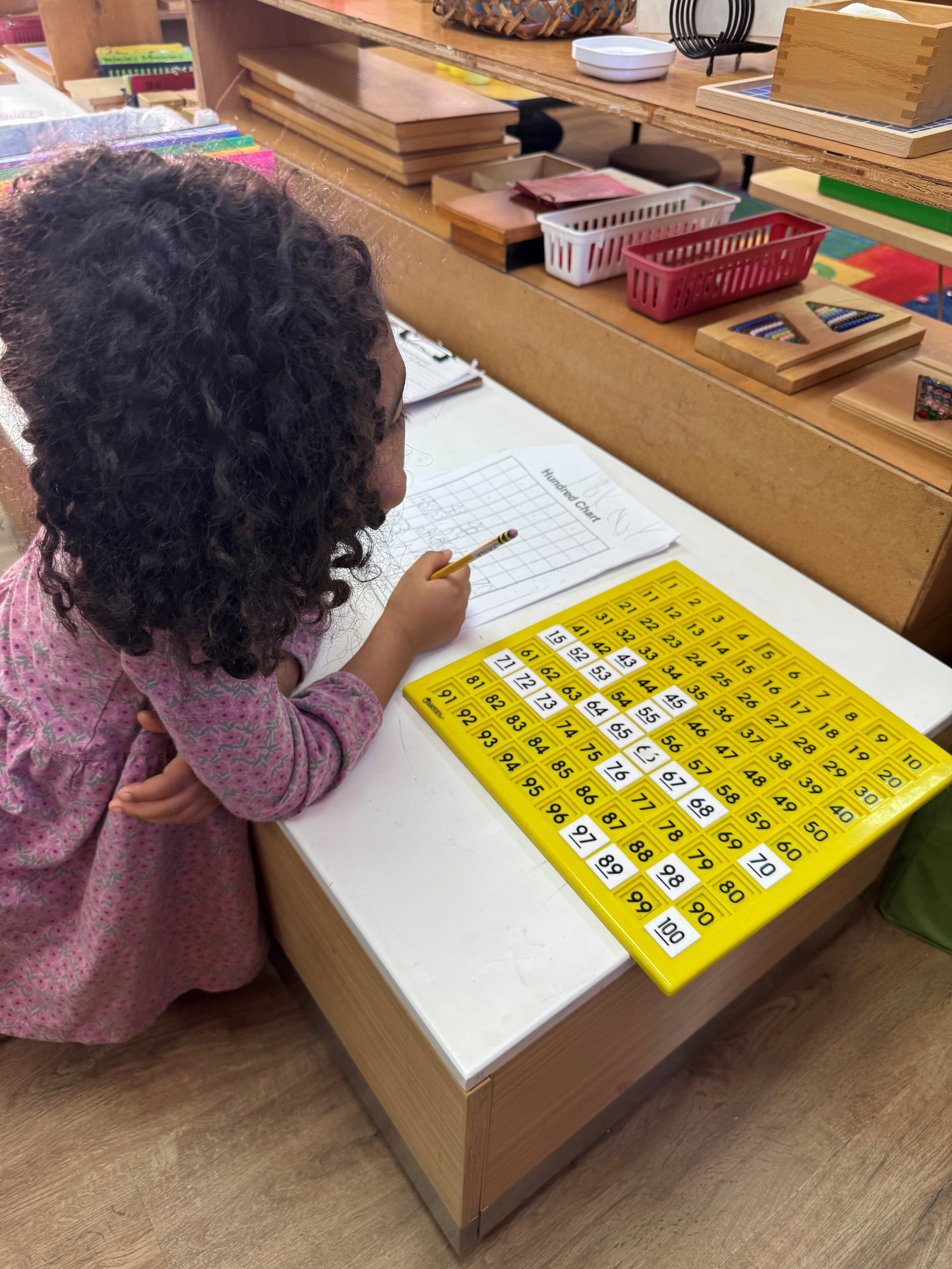
As children move into the elementary years, executive functioning skills expand in both complexity and application. Students ages six to twelve are given increasing responsibility and independence in their learning. Rather than being directed step by step, they are guided in developing systems that work for them, learning how to organize materials, prioritize tasks, and reflect on their progress.
Students begin to:
Plan their work over longer periods of time
Manage multiple assignments and deadlines
Set goals and reflect on their progress
Problem Solving Meetings & Mediations
A hallmark of Montessori elementary environments is the emphasis on community and collaboration. Executive function is strengthened through structured opportunities for social problem solving, including:
Class meetings where students discuss challenges, propose solutions, and make group decisions
Peer mediations where students work through conflicts with guidance, learning to listen, negotiate, and compromise
This structure encourages students to work through challenges together. Through class meetings, children have the opportunity to openly discuss concerns, exchange ideas, and come to shared decisions. When conflicts occur, peer mediations provide a structured way for students to listen with intention, communicate their thoughts, and find common ground. These experiences not only deepen their communication skills but also strengthen their ability to think critically, adapt to different perspectives, and regulate their emotions in the moment.
Middle School (Ages 12–15): Applying Skills in Real-World Contexts
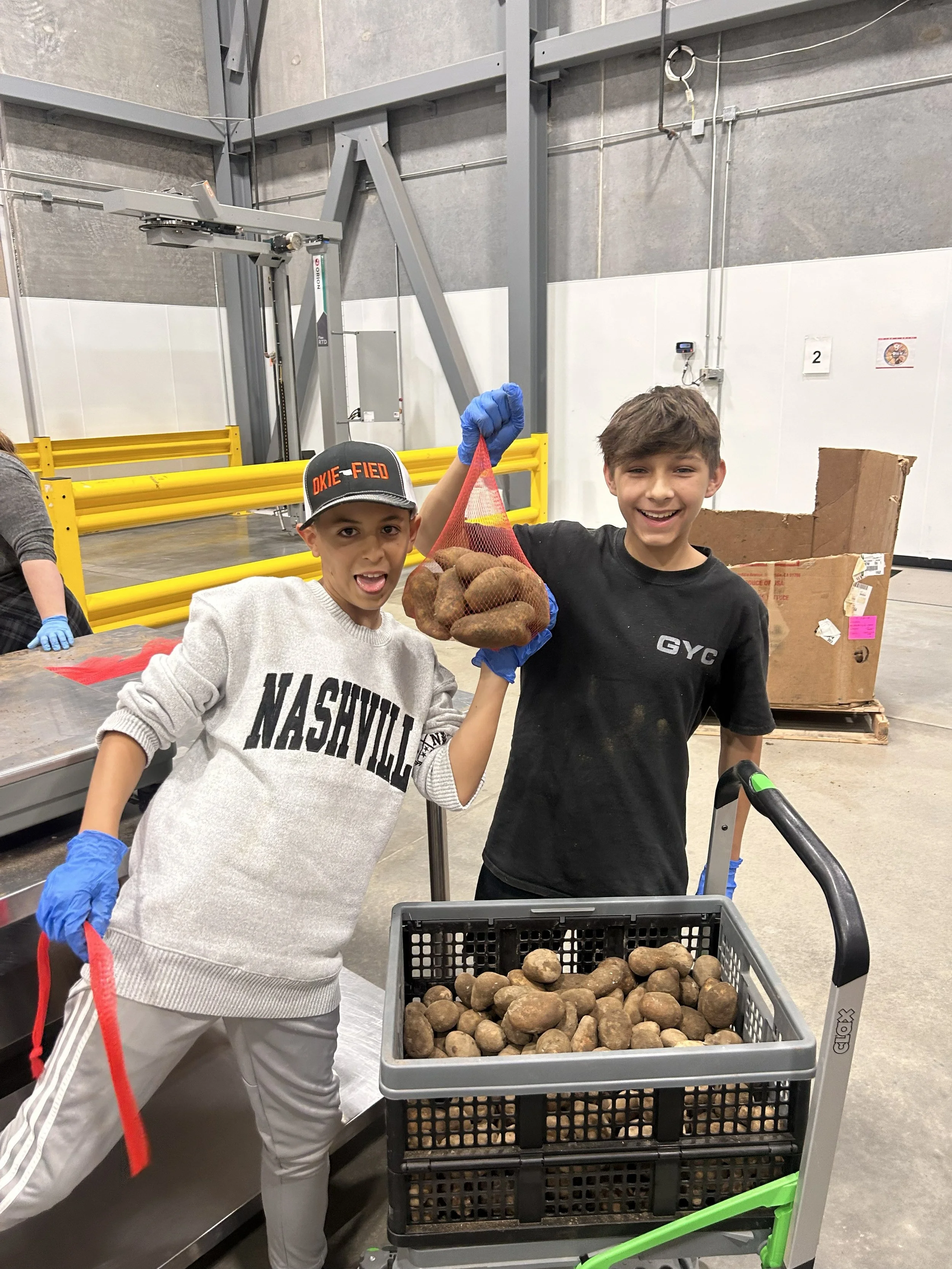
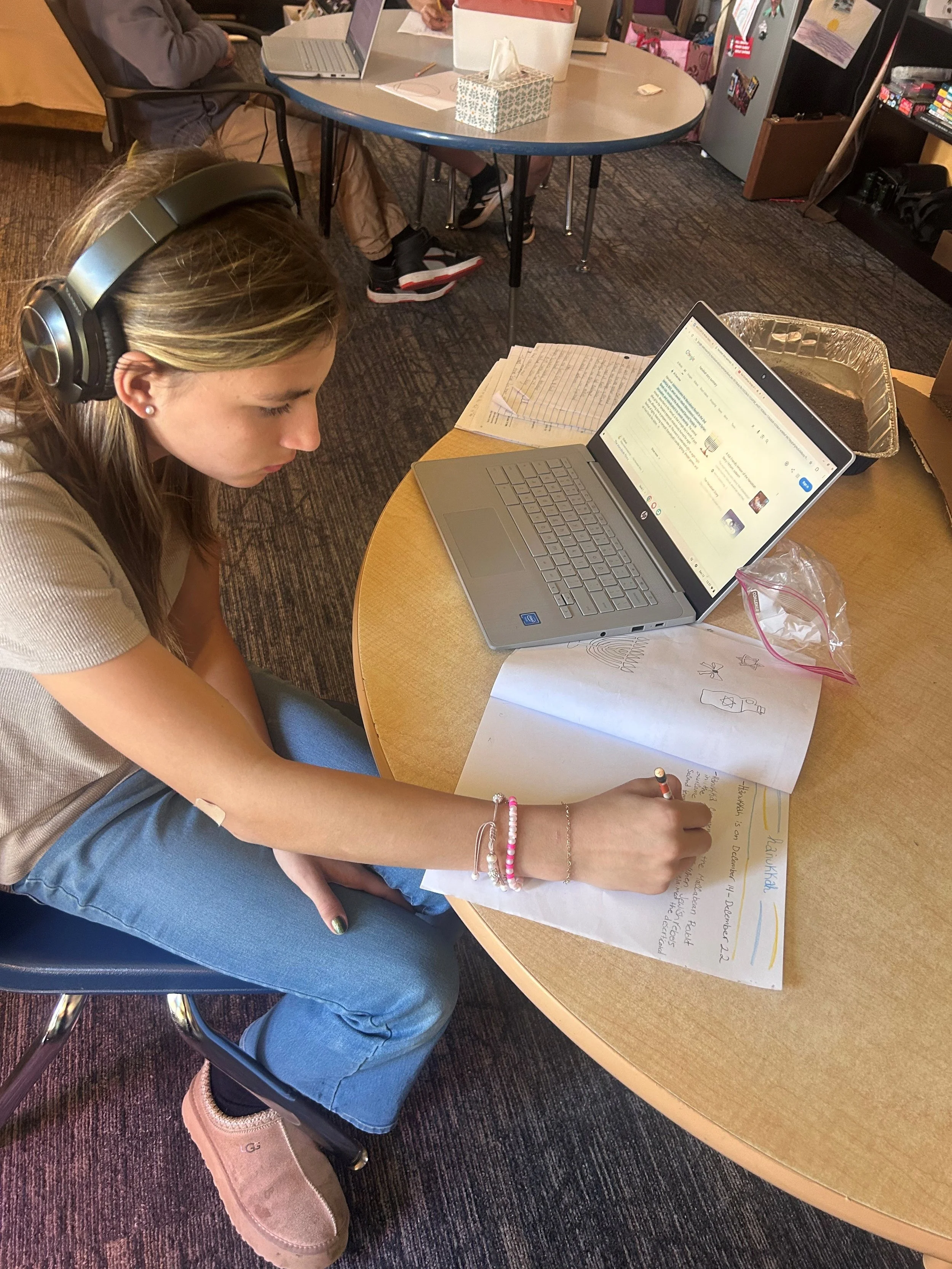
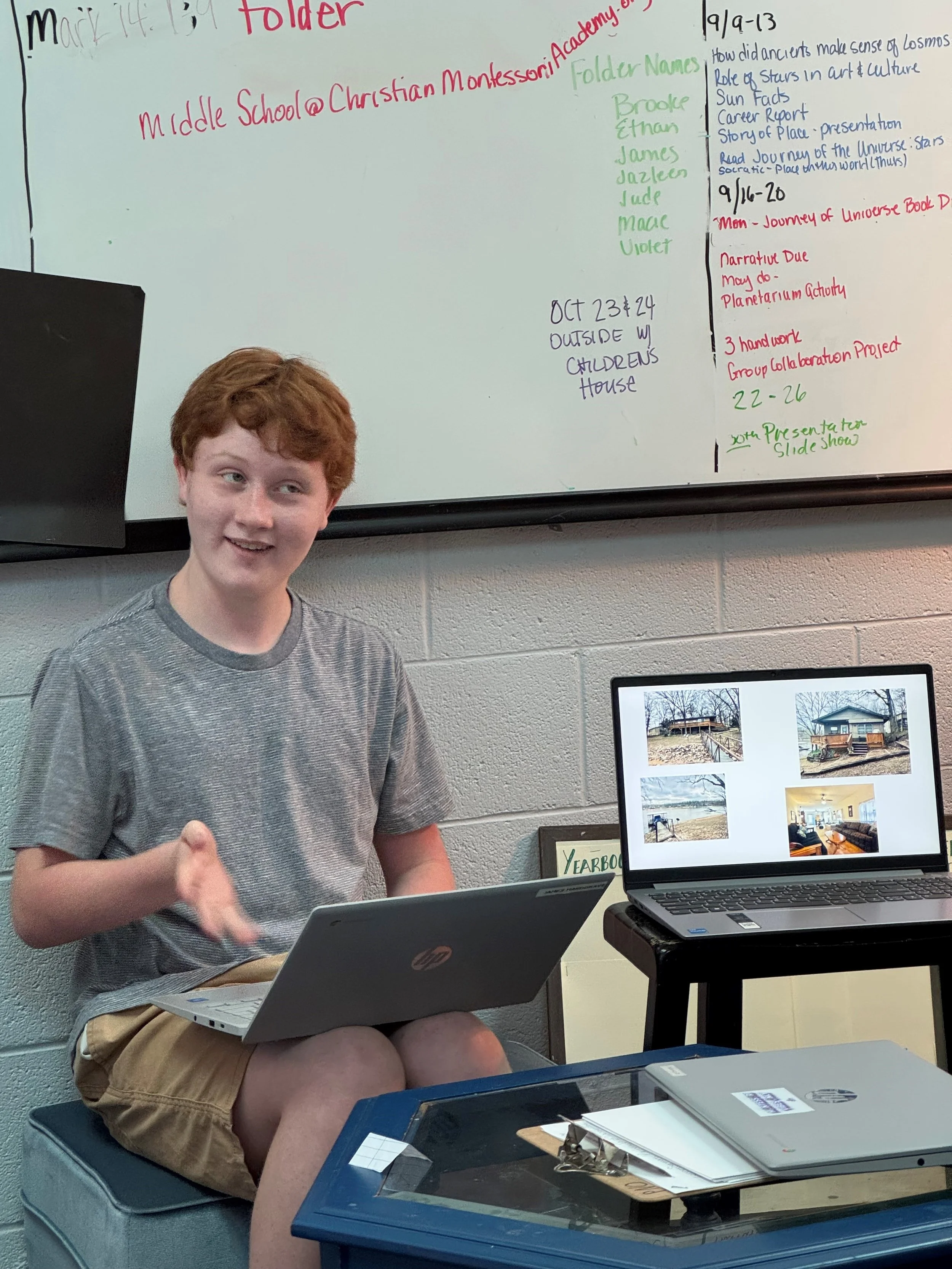
By the time students reach Middle School, they are ready to apply their executive functioning skills in more complex and meaningful ways. Montessori Middle School programs often center around real-world experiences, including long-term projects, collaborative work, and community involvement. Students learn to take greater ownership of their learning as they plan, execute, and reflect on their work over extended periods of time.
Students are expected to:
Manage long-term projects
Collaborate in teams with shared responsibilities
Navigate social dynamics with increasing independence
Reflect on their work and make adjustments
At this stage, executive function becomes more internalized. Students learn not just how to complete tasks, but how to think critically, solve problems, and take ownership of their learning.
Continued Emphasis on Communication & Resolution
Problem solving meetings and mediations continue at the middle school level, but they take on a deeper and more student-driven role. At this stage, students are no longer simply participants in guided conversations—they become active leaders in the process. With increased maturity and experience, they take initiative in addressing conflicts as they arise, often recognizing issues early and seeking resolution before they escalate.
Students begin to facilitate discussions themselves, guiding their peers through conversations with a focus on fairness, respect, and accountability. They ask thoughtful questions, encourage multiple perspectives, and help keep the group centered on finding constructive solutions. Rather than relying heavily on adult intervention, they develop the confidence and skills to navigate complex social dynamics independently.
These mediations often move beyond simple disagreements and into more nuanced situations that require empathy, critical thinking, and self-reflection. Students learn to take responsibility for their actions, consider the impact of their words and choices, and work collaboratively toward solutions that support the well-being of the entire community.
In doing so, they are not only resolving individual conflicts but also shaping the culture of their environment. They contribute to a community built on trust, mutual respect, and shared responsibility—an environment where every member feels heard, valued, and accountable.
A Continuum of Growth
The development of executive function in a Montessori environment is a continuous journey. It begins with the careful, intentional movements of a young child engaged in Practical Life and grows into the thoughtful, independent problem solving of an adolescent. Each stage builds upon the last, providing children with the time, space, and support they need to develop these critical life skills.
In this way, Montessori education does more than prepare students academically. It equips them with the tools to manage themselves, work with others, and navigate the complexities of the world with confidence, empathy, and resilience.