
Service & Stewardship: Montessori’s Approach to Community
At Christian Montessori Academy, one of the most beautiful aspects of the Montessori method is the deep sense of community woven into every level of the learning environment. From our youngest learners to our oldest adolescents, students are guided to understand that they belong to something bigger than themselves—that they have a role in caring for one another, their school, and the greater world. This foundation of stewardship is not simply an activity; it is a way of life grounded in both Montessori philosophy and our Christian values.
Maria Montessori beautifully captured this vision when she wrote, “The child is both a hope and a promise for mankind.”
When we nurture community, service, peace, and responsibility at every stage, we are shaping children who carry hope and compassion into the world.
Community Begins in the Classroom
Montessori classrooms are intentionally designed as mixed-age environments, a structure that naturally cultivates mentorship, leadership, and collaboration. Children learn early on that they are part of a community whose members support one another. Older students model skills, grace, and courtesy, while younger students observe, learn, and grow in confidence. This organic exchange helps children understand that everyone has something to contribute.
This mirrors the Christian call to live in fellowship and to encourage one another, help those in need, and treat others with compassion. In Montessori and in faith, community is not something one receives; it is something one participates in daily.

An older student in our Lower Elementary classroom assisting a younger student with his lesson.
The Montessori Peace Curriculum: Building Skills for Life
At the heart of cultivating community is the Montessori Peace Curriculum, a cornerstone of our classrooms at every level. Students learn peaceful communication, conflict resolution, empathy, and problem-solving through intentional lessons and modeling. Tools such as peace tables, reflective conversations, grace and courtesy lessons, and guided discussions equip children with the skills to navigate challenges calmly and respectfully.
These practices not only strengthen relationships within the classroom but prepare students to be peacemakers in the world. This aligns deeply with our Christian mission to “seek peace and pursue it” and to handle conflicts with humility, patience, and love.
Children’s House: Foundations of Care Through Mentorship
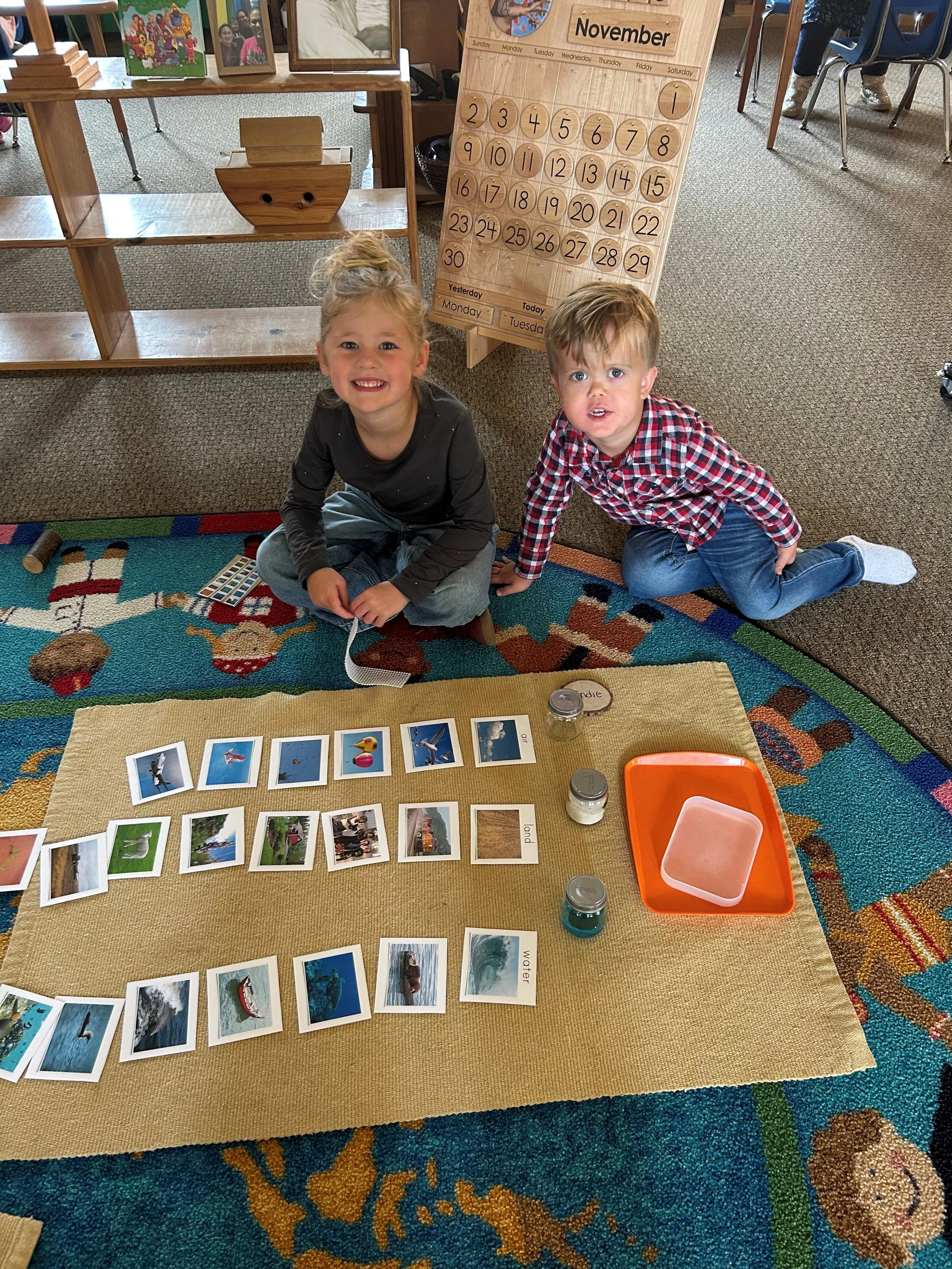
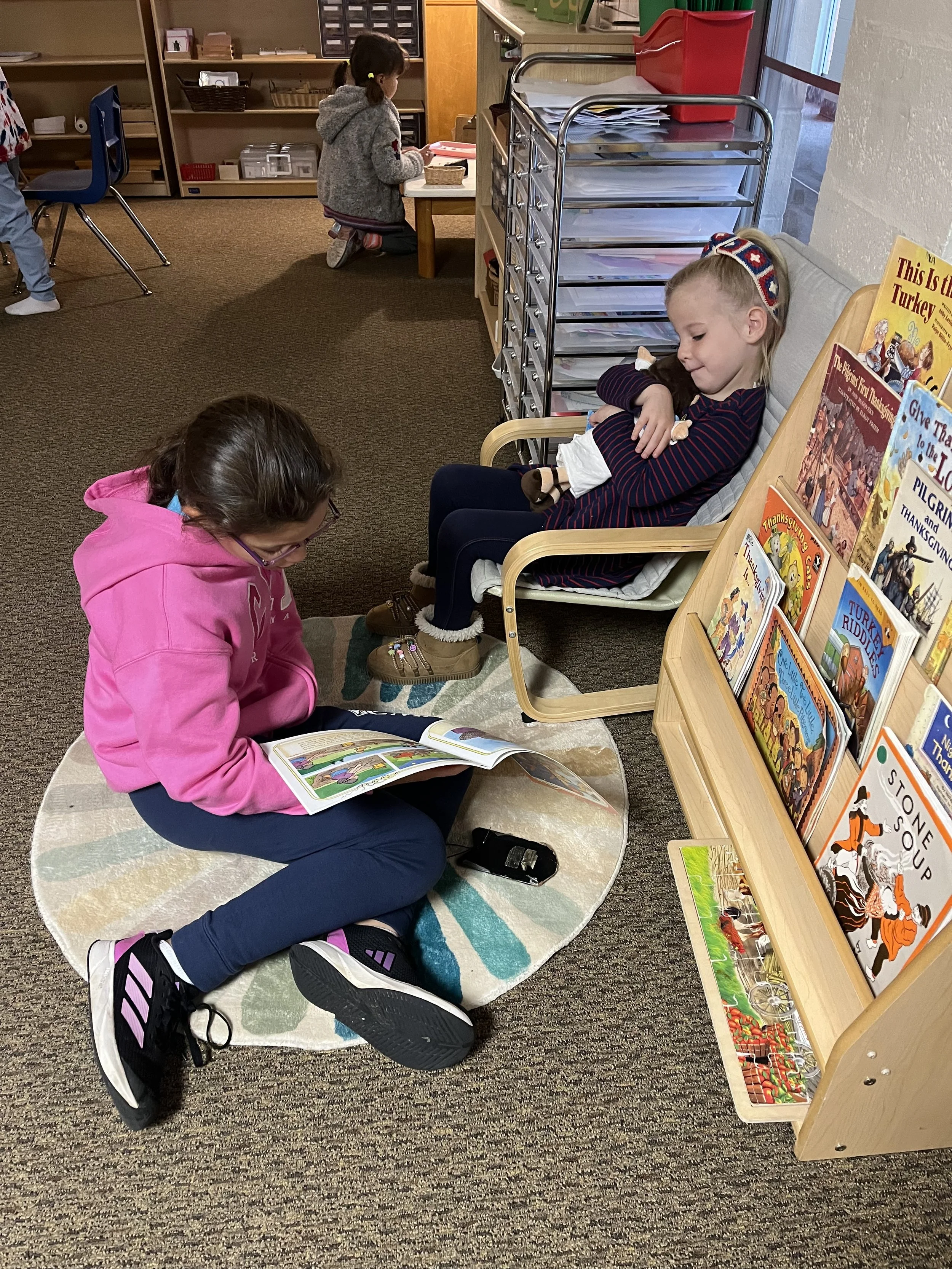
Within the Children’s House classroom, students naturally take on roles of kindness and support. Because of the mixed-age environment, younger children look to older classmates for guidance, and older children delight in offering help—whether it’s showing a friend how to roll a work rug, assisting with a zipper, or demonstrating how to care for the classroom plants. These moments of quiet service happen every day and reinforce the Montessori belief that children thrive when given opportunities to contribute meaningfully to their community. This gentle, daily practice of helping one another reflects our Christian value of serving others with a joyful and willing heart.
Our Children’s House students begin to experience the joy of belonging to a caring community. One of the most beloved traditions is our buddy program, where mentors from Upper Elementary partner with the younger children. Together they read stories, complete activities, explore nature, and work side by side.
This program builds confidence in our young learners and leadership skills in our older ones. It reflects Montessori’s belief that children are naturally inclined toward helpfulness and that they rise to responsibilities when trusted with them. It also echoes Christ’s teaching that we learn and grow through loving relationships and intergenerational care.



Lower Elementary: Expanding the Circle of Community
In Lower Elementary, the sense of community deepens as students continue to help one another within the classroom environment. Older students often guide younger peers through lessons, offer assistance with challenging tasks, or model collaborative problem-solving. This daily practice encourages responsibility, empathy, and leadership while reinforcing the idea that every member of the community has something valuable to contribute. With growing maturity, students also begin applying peace curriculum skills in more complex social situations—resolving conflicts with empathy and practicing clear, respectful communication.
As students enter Lower Elementary, their understanding of community broadens. Here, the buddy relationship continues—this time with partners in our Middle School. Monthly activities bring the ages together to collaborate, create, and enjoy shared experiences.
These interactions teach children that community extends beyond their immediate classroom. They practice patience, cooperation, and kindness, discovering that they have a meaningful role to play in the lives of others. This aligns with Montessori’s vision of interconnectedness and with Christian values of service and unity within the Body of Christ.
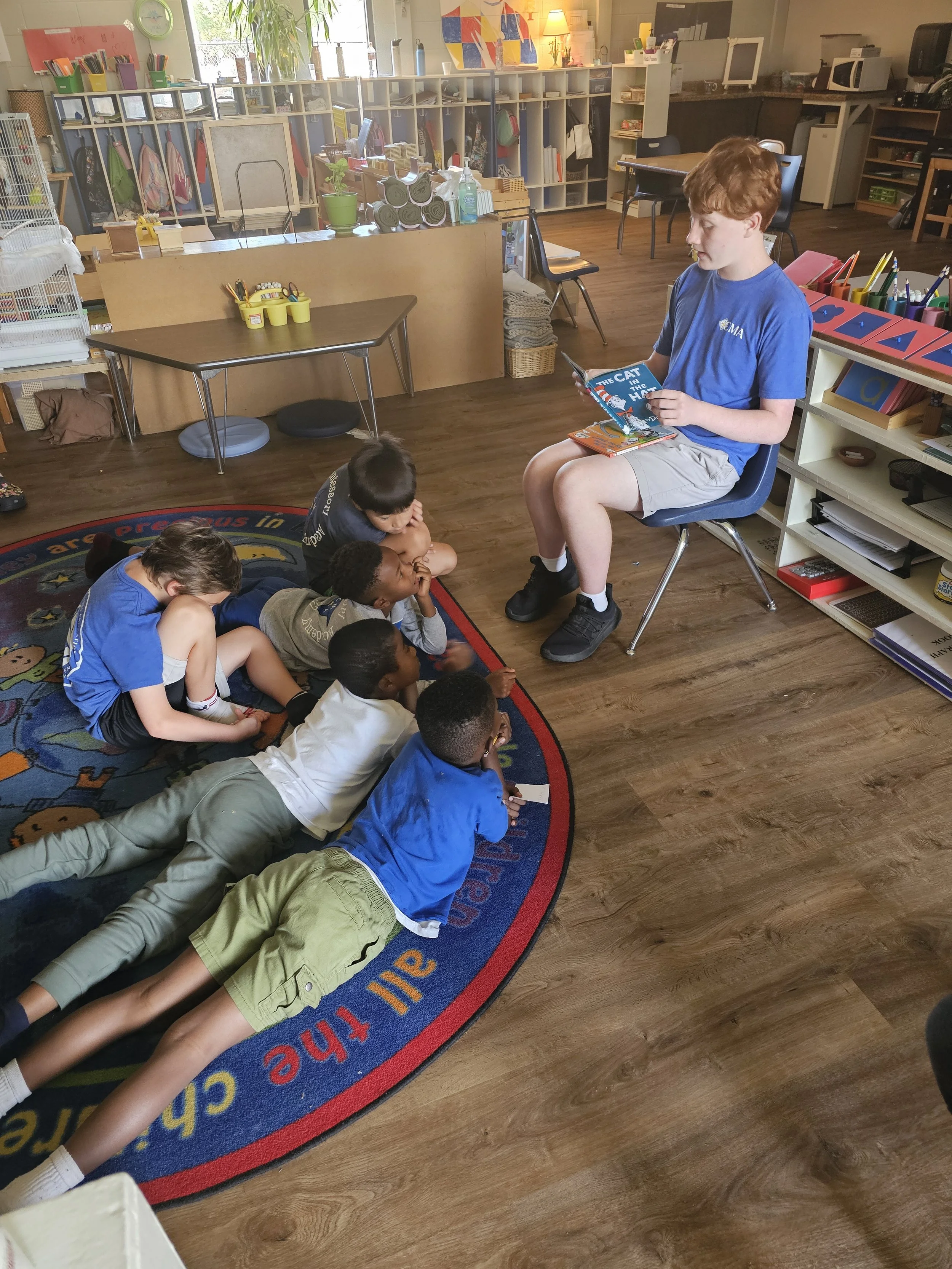
A Middle School student, reading to his group of Lower Elementary buddies.
Upper Elementary: Becoming Stewards Beyond Our Walls
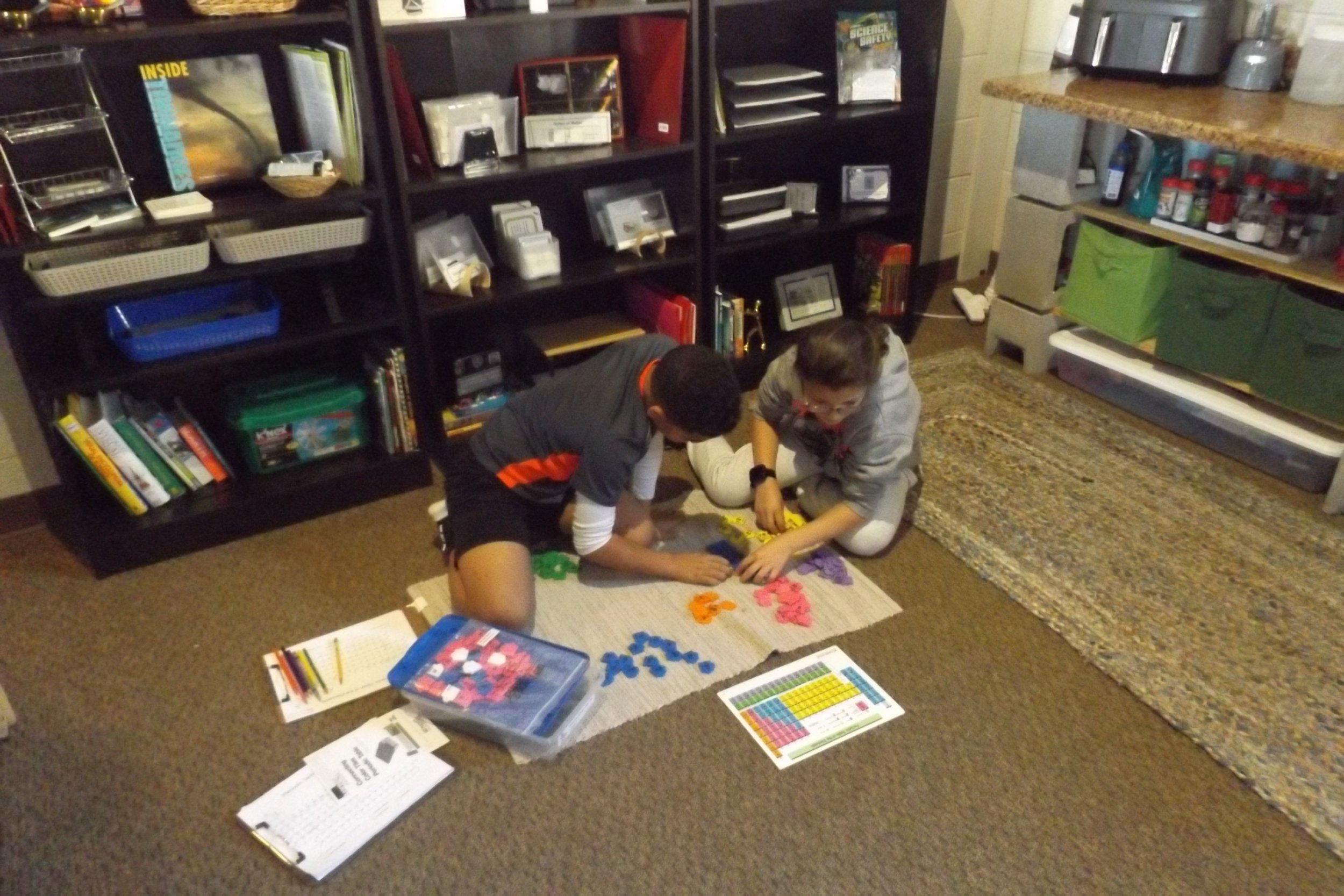
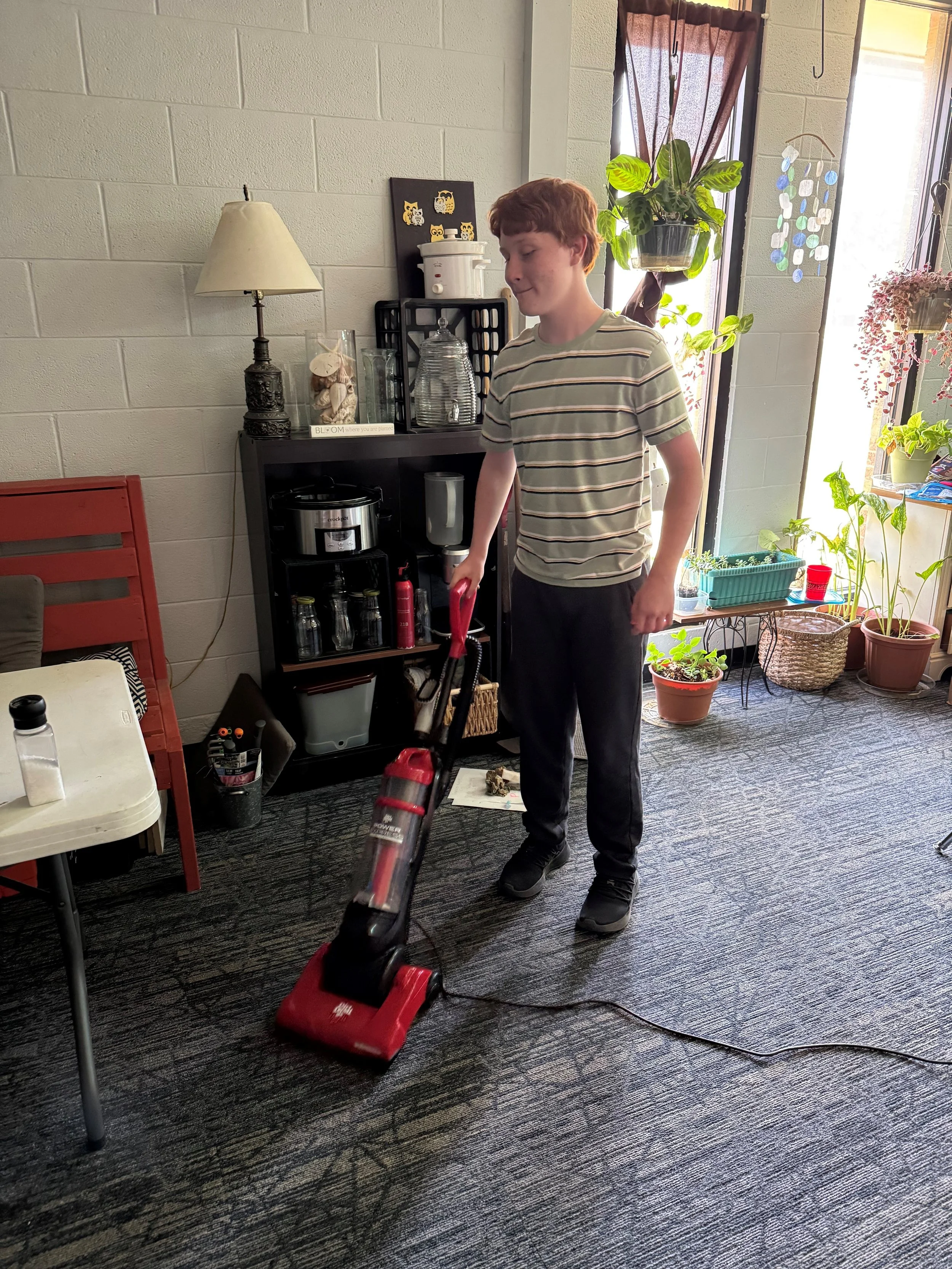
In Upper Elementary, students take on an even greater sense of responsibility for their classroom and school community. They assist one another with academic challenges, mentor peers in new skills, and collaborate on group projects, fostering a culture of mutual respect and support. Beyond the classroom, they engage in helpful service around the school by setting up tables for events, tidying common spaces, and assisting teachers with preparations. These contributions help students see the impact of their efforts on the broader community, while reinforcing the Montessori principle that learning and service go hand in hand. In doing so, they also practice the Christian value of serving others, understanding that their actions strengthen and uplift the whole community.
At this level, students also begin to understand that service extends outward and that stewardship includes supporting the world beyond CMA. Students run their own snack shop as part of their microeconomy, providing students the opportunity to purchase snacks and drinks while practicing the skills of customer service and money handling. Together, they raise funds for their end of year trip and local charities or needs that pop up in the broader community. Students have raised money to help support with the Red Cross with disaster relief, the ASPCA, the Food Bank of Eastern Oklahoma, and Heifer International.
Their increased sense of global awareness is nurtured through peace education, discussions about justice and compassion, and reflections on how their choices impact the world. Students learn that peaceful change begins with individual action—an idea Montessori championed.
This is the Montessori “education for peace” in action, where students develop empathy, responsibility, and a desire to help others. It is also a direct echo of our Christian mission to love our neighbors and care for those experiencing hardship.




Middle School: Service in Action
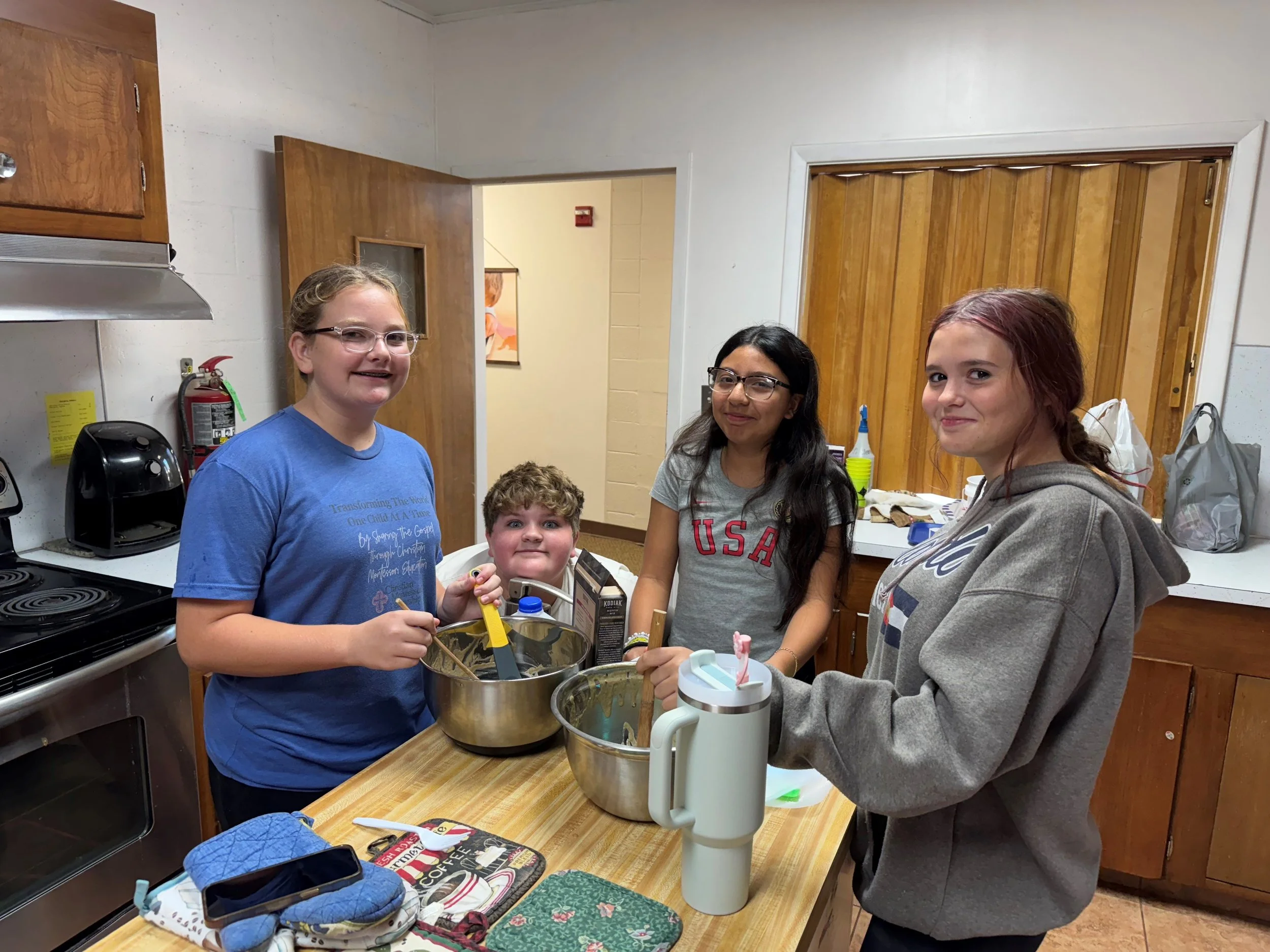
In Middle School, students continue to develop leadership and responsibility, not only through mentoring younger peers but also by contributing to the smooth running of the school community. They help tend to the shared garden space, facilitate the composting program, and assist with preparations for activities and projects. These daily acts of service allow students to see how their efforts positively affect others. This practice reinforces the Montessori belief that adolescents thrive when given meaningful work, while also reflecting the Christian value of serving with humility and purpose while learning that leadership and care for others go hand in hand.
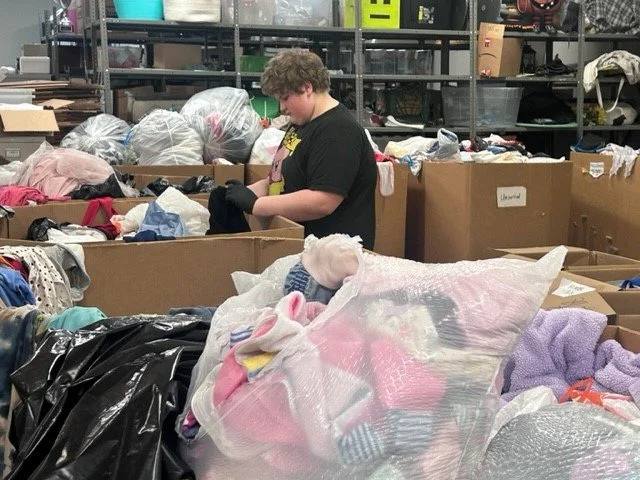
Middle School students take the next step by engaging in monthly service projects within the local community. They go out into the world to volunteer, assist organizations, and help people in need.
At this stage, the peace curriculum becomes deeply practical. Students must communicate effectively as a team, navigate real-world challenges, and respond compassionately to the needs around them. Montessori believed adolescents thrive when their work has purpose and contributes to society—and service projects offer exactly that.
These experiences embody Christian discipleship: living out faith through action, serving others with humility, and reflecting Christ’s love through meaningful work.


Stewardship as a Way of Life
Across all levels, students at Christian Montessori Academy are invited into a life of service, community, and peace. Whether caring for a friend, supporting a charity, solving conflicts peacefully, or helping someone in need, students learn that stewardship is not a task for one moment but a daily attitude of the heart.
Montessori’s vision of a peaceful, interconnected world blends beautifully with our Christian mission: “At Christian Montessori Academy, CMA educates the whole child using the Montessori method.”
By integrating service, peace education, and community into every stage of development, we nurture compassionate leaders who understand that they are part of God’s unfolding work in the world.
Through community, faith, peace, and purposeful action, our students learn not only how to serve, but why service matters.