
Montessori Planes of Development
One of the most beautiful parts of the Montessori philosophy is its deep respect for child development. Rather than expecting children to fit into a one-size-fits-all system, Montessori education is designed around how children naturally grow and change over time.
Dr. Maria Montessori identified planes of development—distinct phases of growth that each come with unique characteristics, needs, and ways of learning. Understanding these phases can help parents feel more confident, patient, and prepared as their children grow.
Below, we’ll walk through the Montessori phases of development from age 3-15, what changes you may notice in your child, and practical ways to support and ease each transition.
First Plane of Development: Early Childhood (Ages 3–6)
Children’s House
What’s happening developmentally — and why
Children ages 3–6 are in the final stage of the Absorbent Mind, meaning their brains are wired to take in information effortlessly from their environment. They are not learning through logic yet; instead, they learn through movement, sensory exploration, imitation, and repetition. Children are no just learning skills, they are constructing their personality, sense of self, and understanding of how the world works.
This is also a time of sensitive periods—temporary windows when children are internally driven to master specific skills such as order, language, movement, small details, and social behavior. During these windows, children are especially drawn to activities that meet a specific developmental need, often repeating them until mastery is achieved. Because these needs are internal and urgent, children may seem inflexible or emotional when they are interrupted or rushed.
Behaviors parents often notice:
Insisting on doing things independently and becoming frustrated when helped too quickly
Big emotional reactions to small changes, especially routine or expectation changes
Repetition of the same activity again and again
Deep focus followed by sudden frustration or fatigue
A deep need for order and predictability
Why this happens: Children are building their sense of competence and control. When adults step in too quickly or disrupt their work, it can feel overwhelming because the child is still developing emotional regulation. This period is when children are building who they are emotionally, socially, and cognitively. These behaviors lay the foundation for confidence, concentration, and an intrinsic motivation to learn.
How Montessori supports this phase
Montessori environments meet these developmental needs intentionally. The prepared environment provides order, predictability, and child-sized materials that allow children to act independently and successfully.
Hands-on, concrete materials allow children to learn abstract concepts, such as math, language, and sequencing, through the use of their senses. Each material is self-correcting, helping children build confidence and problem-solving skills without constant adult intervention.
Teachers act as guides, carefully observe each child and offering lessons when the child is developmentally ready rather than on a fixed schedule. Clear boundaries paired with freedom of choice help children develop self-regulation, concentration, and inner discipline. Over time, children learn to regulate themselves not through external rewards or punishment, but through internal satisfaction.
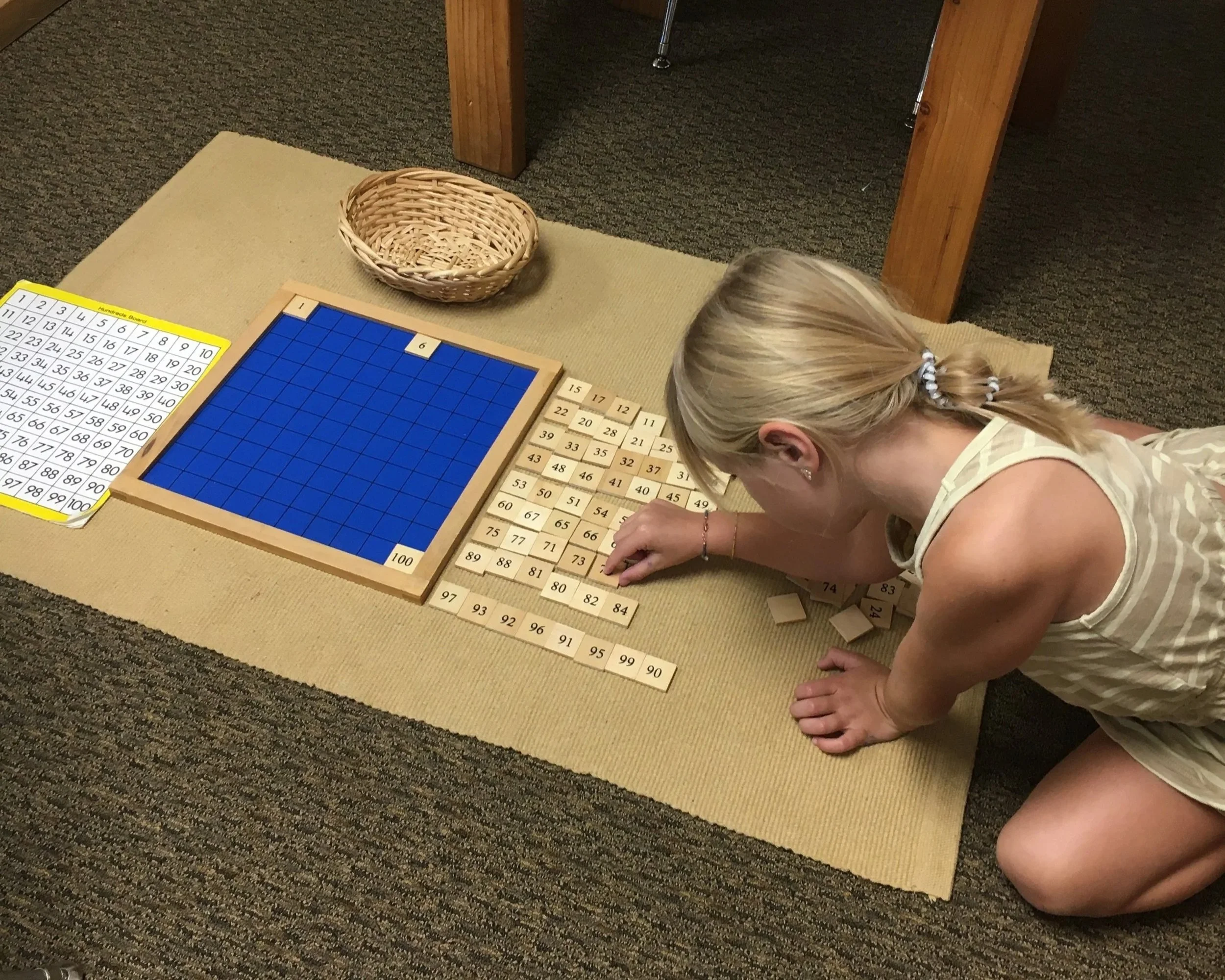
Here a Children’s House student is working on the blue hundred board. Notice the resource she is using to help her be independent in completing the task and self-correct her work. This helps reinforce her growing need for independence, while still giving space for her to learn pattern recognition, order, and concentration.
What parents often worry about
“My child gets frustrated or emotional so easily.”
“They want to do everything themselves but can’t always do it well.”
“They repeat the same work—is that normal?”
These behaviors are not signs of immaturity or defiance. They are indicators of healthy development and growing independence.
Practical ways to support and ease this phase
Slow down routines to allow independence
Offer limited, meaningful choices
Maintain consistent routines
View repetition as learning through mastery, not boredom
Involve your child in real work like cooking, cleaning, and caring for themselves
Focus on independence over perfection
Second Plane of Development: Childhood (Ages 6–12)
Lower & Upper Elementary
What’s happening developmentally — and why
Around age six, children enter a new plane of development marked by a shift from unconscious learning to conscious reasoning. Their minds are now capable of logic, imagination, and moral thought. Rather than simply accepting information, children begin asking why things exist and how systems work.
Children in this plane develop a powerful imagination, allowing them to explore ideas far beyond their immediate environment. Many develop a deep interest is history, geography, science and morality. This stage is also marked by a growing sense of justice. Children become highly aware of fairness, rules, and social dynamics. They are also developmentally driven to work with peers, learning through discussion, debate, and collaboration.
Behaviors parents often notice:
Persistent questioning and arguing, often over deeper questions or topics
Strong reactions to perceived unfairness
Preference for group work and friendships
Intense interest in specific topics
Why this happens: Children ages 6-12 are working to understand the world and their role within it, both intellectually and socially. Questioning authority is not always defiance, it can also be intellectual and moral exploration.
How Montessori supports this phase
Montessori elementary classrooms are designed to nurture imagination, reasoning, and intellectual independence. Learning begins with the Great Lessons, which present big-picture stories that introduce children to the origins of the universe, life, humans, language, and numbers. These lessons ignite curiosity and provide framework for understanding how all subjects are interconnected.
Children are then guided to research, create projects, and explore subjects deeply at their own pace. Multi-age classrooms allow children to learn from one another while developing leadership and empathy. Materials and lessons move from concrete to abstract, supporting deeper understanding while honoring different learning styles.
Teachers act as facilitators rather than lecturers, supporting children in organizing their time, thinking critically, and collaborating effectively. These skills they will carry with them throughout their life time.
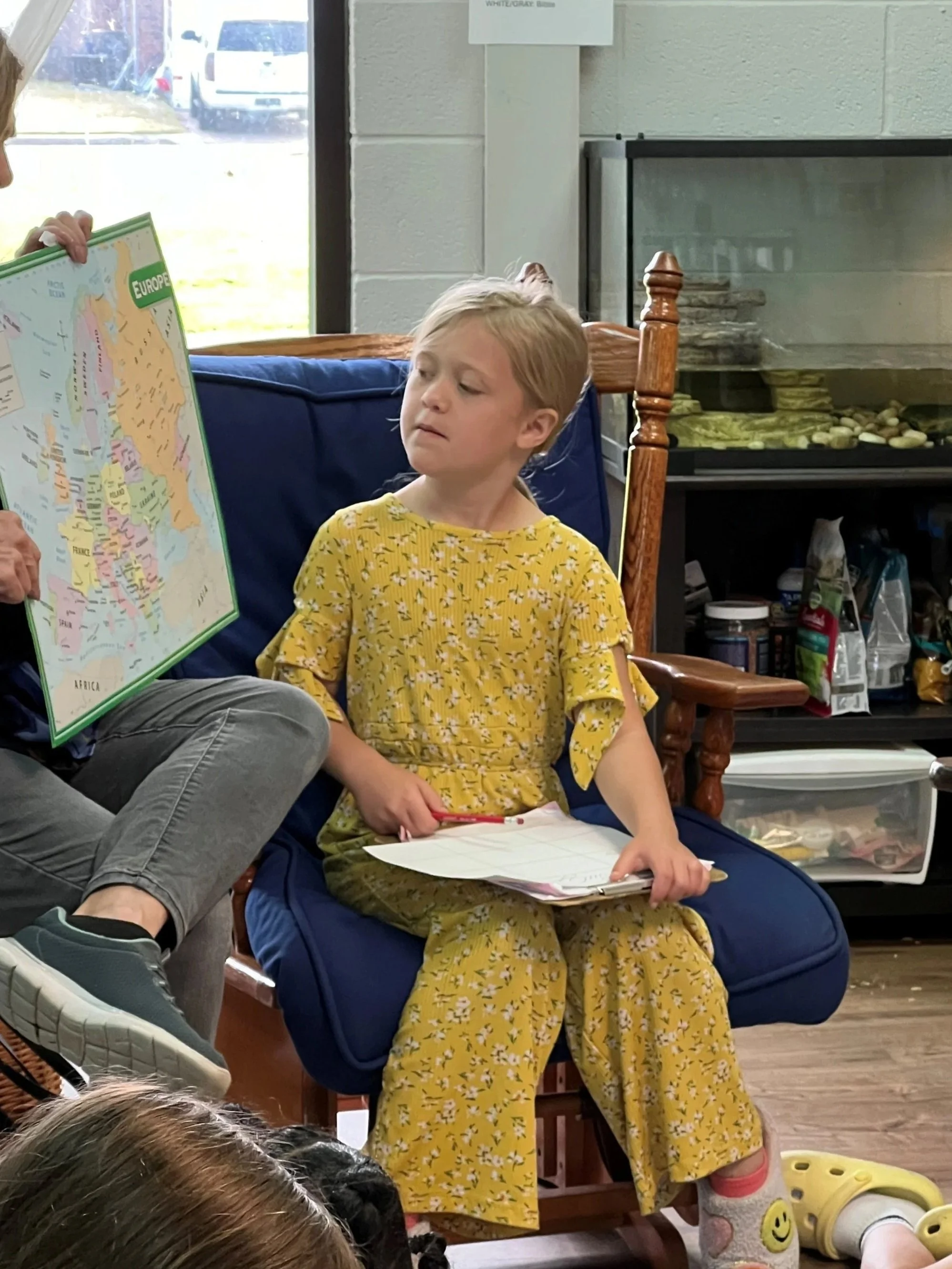
At CMA, each semester our cultural studies are focused around a specific continent of study. Here a Lower Elementary student presents their country report. After choosing a country to study, the student finds resource books to research and find facts about their chosen country. They then present their report to the class to build the practical life skill of public speaking.
What parents often worry about
“My child questions everything now.”
“They argue about rules and fairness constantly.”
“They seem more influenced by peers than adults.”
These shifts signal healthy cognitive and social development as children move toward independent thinking.
Practical ways to support and ease this phase
Invite conversation instead of shutting down questions
Discuss fairness and ethics openly
Encourage research and exploration at home
Support friendships and collaborative learning
Expect more questions, and less blind obedience
Shift from hands-on help to guidance and conversation
Third Plane of Development: Adolescence (Ages 12–15)
Middle School / Erdkinder
What’s happening developmentally — and why
Adolescence is a time of intense transformation. Physical growth accelerates, hormones fluctuate, emotional sensitivity increases, and social awareness deepens. Dr. Montessori described this stage as a period of rebirth, where adolescents are reconstructing their identity, both internally and externally.
During this phase, teens are forming their identity and seeking independence while still needing connection and reassurance. They are developing abstract thinking and moral reasoning, but their emotional regulation is still maturing. They become more aware of their role in society and often question social norms, values, and expectations. This imbalance can cause emotions to feel overwhelming and situations to be misinterpreted or magnified.
Behaviors parents often notice:
Heightened emotional responses
Feelings of being misunderstood or judged
Pulling away from adults while leaning heavily on peers
Questioning values, expectations, and authority
Seeking privacy and autonomy
Wanting work that feels meaningful and relevant
Why this happens: Adolescents are trying to define who they are while navigating intense internal change. Their feelings are real and powerful, even when their interpretations may not yet be fully grounded. Adolescents are working to build confidence, resilience, and a sense of purpose rather than focusing solely on academic achievement.
How Montessori supports this phase
Montessori adolescent programs are intentionally built around relevance, dignity, and purpose. Learning is connected to real life through project-based work, community involvement, service, and entrepreneurship.
Often referred to as Erdkinder ("children of the earth"), these programs allow adolescents to engage in meaningful work that builds confidence and self-worth. Academic learning is integrated into practical experiences, making it purposeful rather than abstract. These experiences allow adolescents to see themselves as capable contributors to their community.
Teachers act as mentors, offering structure, guidance, and emotional support while honoring adolescents’ growing need for independence. This balance helps teens develop self-confidence, responsibility, and a strong sense of self as they prepare for adulthood. These experiences help teens feel capable, valued, and connected.
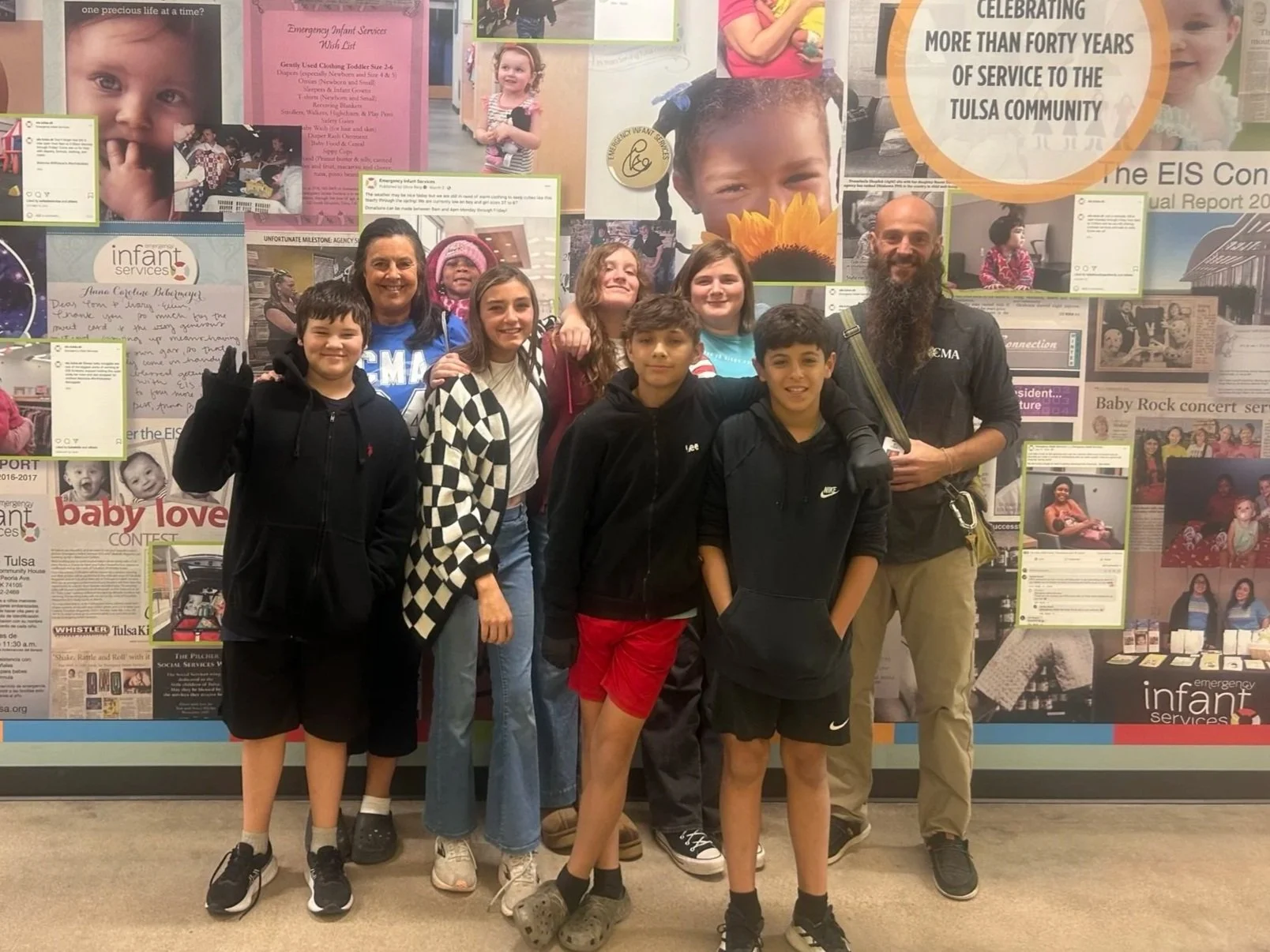
Our Middle School students after they served the community at Emergency Infant Services. Service projects like this help meet the adolescents’ need to feel like capable contributors to society and build a sense of responsibility and connection to the world around them.
What parents often worry about
“My child is overly emotional or reactive.”
“They think no one understands them.”
“They seem distant or moody.”
These behaviors are not signs of failure or rebellion. They are part of the developmental process of becoming an independent, emotionally aware adult.
Practical ways to support and ease this phase
Lead with empathy before correction
Validate feelings without immediately fixing
Provide real responsibility paired with trust
Maintain clear boundaries while offering choice
Support routines that promote balance and self-care
Normalize emotional changes
Seeing the Journey as a Whole
Each Montessori plane builds intentionally on the one before it:
Ages 3-6: Building independence and the foundation of the self
Ages 6-12: Understanding the world and how everything is connected
Ages 12-15: Discovering purpose and identity within the world
When parents understand these developmental shifts, transitions feel less overwhelming and more like what they are, natural, necessary growth.
Montessori education reminds us that children are not rushing toward adulthood. They are becoming exactly who they are meant to be, one phase at a time.