
We All Have a Gift to Give
“As each has received a gift, use it to serve one another, as good stewards of God’s varied grace.” — 1 Peter 4:10
As we celebrate 20 years of Christian Montessori Academy, we are reflecting on the truths that have shaped our community from the beginning. This year, our guiding verse, 1 Peter 4:10, reminds us of something at the heart of both our Christian faith and the Montessori philosophy: every person has something valuable to offer.
We all have a gift to give. For children, those gifts may look different from what we expect. A child’s gift might be an ability to build, create, organize, encourage a friend, solve a difficult problem, ask thoughtful questions, care for a younger child, or simply notice something that others have overlooked. Montessori education invites us to see these gifts—not as things to be molded into a predetermined shape, but as potential waiting to be discovered, nurtured, and shared.
Seeing the Child as Capable
Maria Montessori’s understanding of the child was rooted in a deep respect for the individual. She recognized that children possess an incredible capacity for growth, independence, and self-construction. Rather than viewing children as empty vessels waiting for adults to fill them with knowledge, Montessori educators observe children carefully and prepare an environment where they can actively participate in their own development.
This perspective beautifully complements the message of 1 Peter 4:10. The verse begins with “as each has received a gift.” Each, not only some children. Not only the children who excel academically. Not only the naturally outgoing, artistic, athletic, or confident children. Every child comes to us with unique abilities, interests, needs, and potential. Our role as adults is to help create the conditions where those gifts can emerge.
Gifts Grow Through Freedom and Responsibility
In a Montessori environment, children are given meaningful opportunities to make choices, solve problems, practice skills, and take responsibility for their community. This freedom is not simply about allowing children to do whatever they want. It is freedom within limits; the freedom to make purposeful choices while learning that our choices affect ourselves and those around us.
This connects directly to the second part of 1 Peter 4:10: “use it to serve one another.”
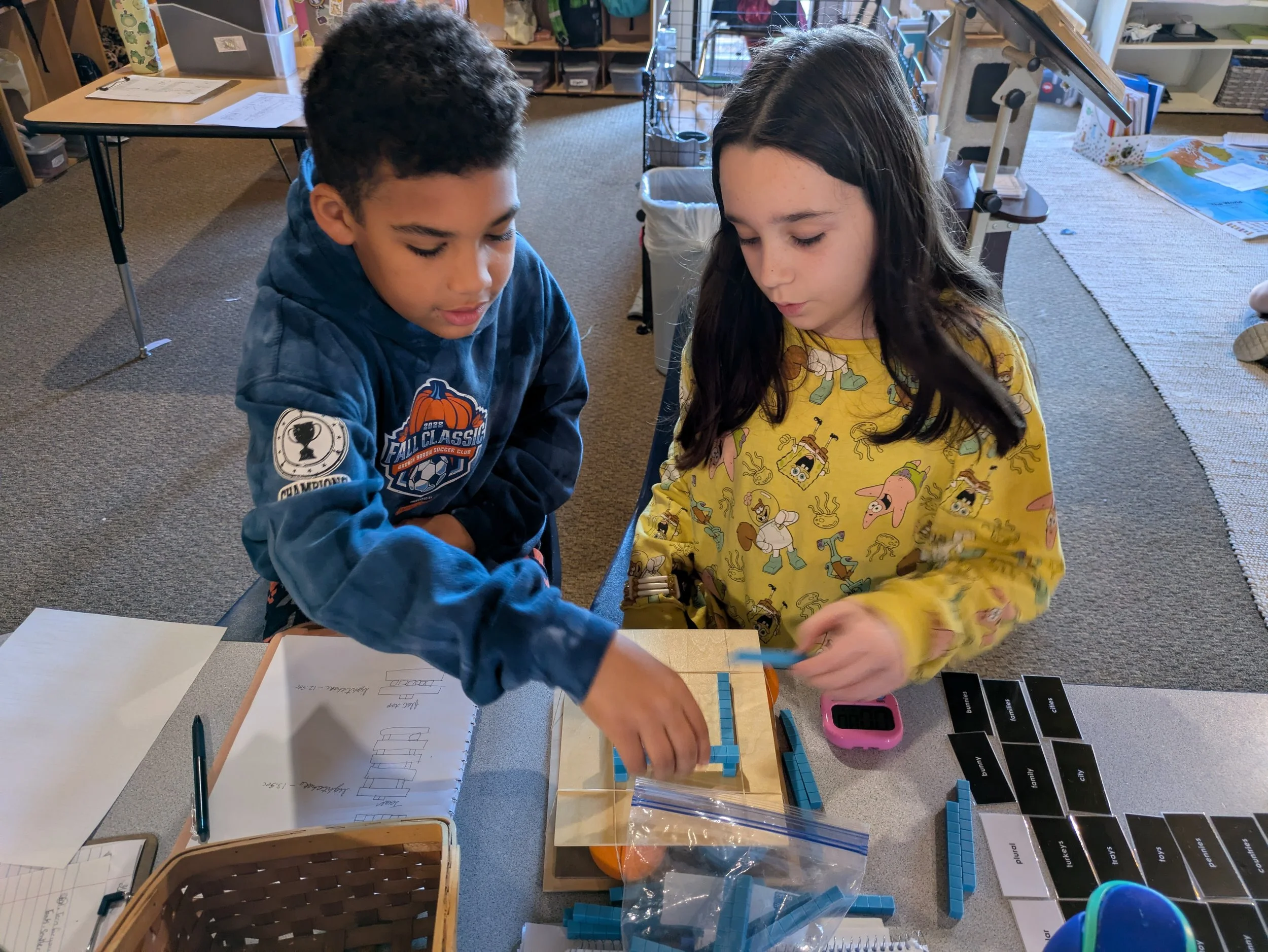
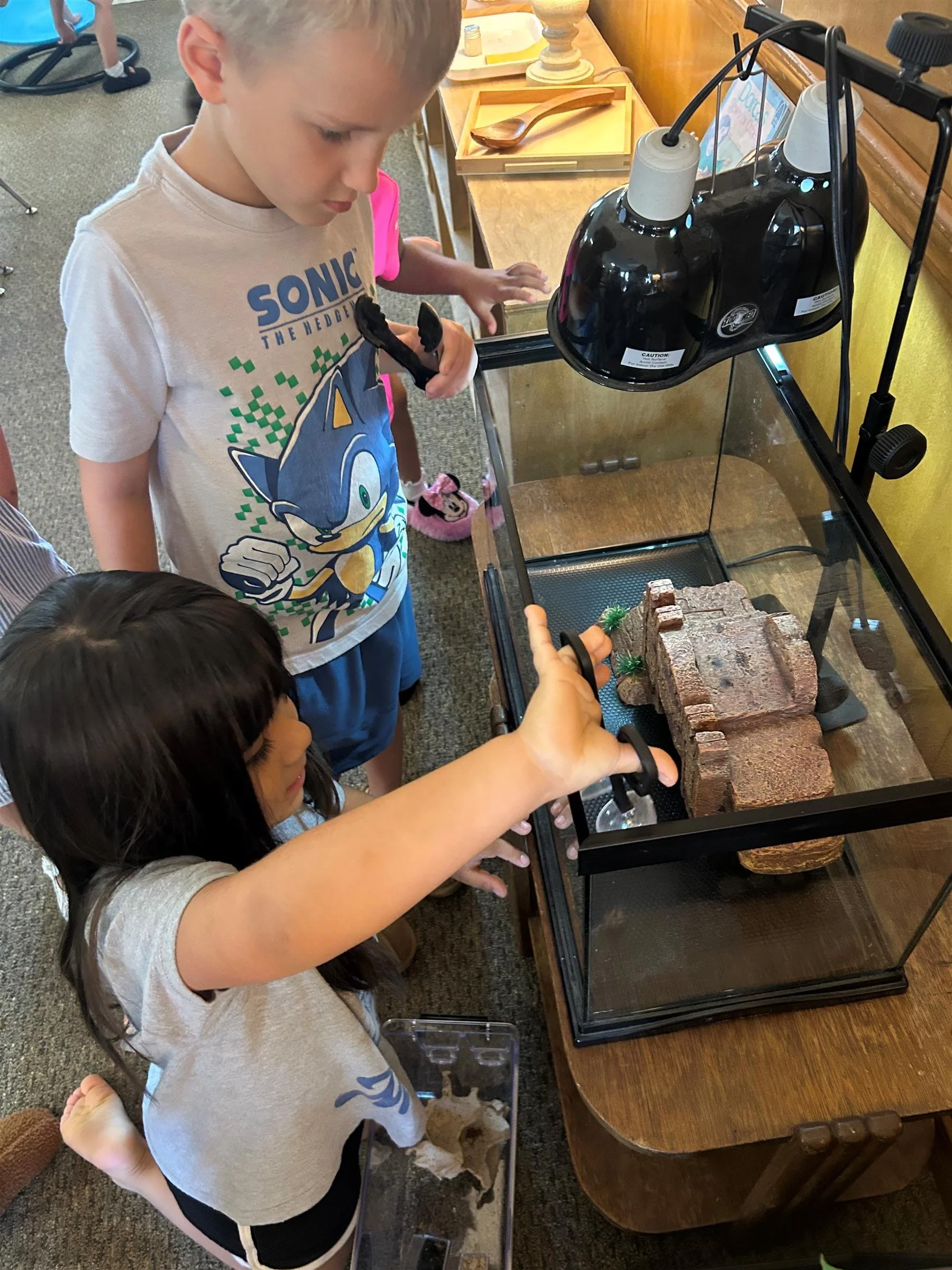
A gift is not meant only for ourselves, but to be shared with others. A child who develops independence can use that independence to help a classmate. A child skilled at mathematics can help solve a problem. A child who loves caring for living things can nurture the classroom plants or animals. A child who has a natural ability to lead can learn to lead with humility and consideration.
Montessori education provides countless opportunities for children to discover that what they are capable of doing can become a way of contributing to the lives of others.
The Classroom as a Community
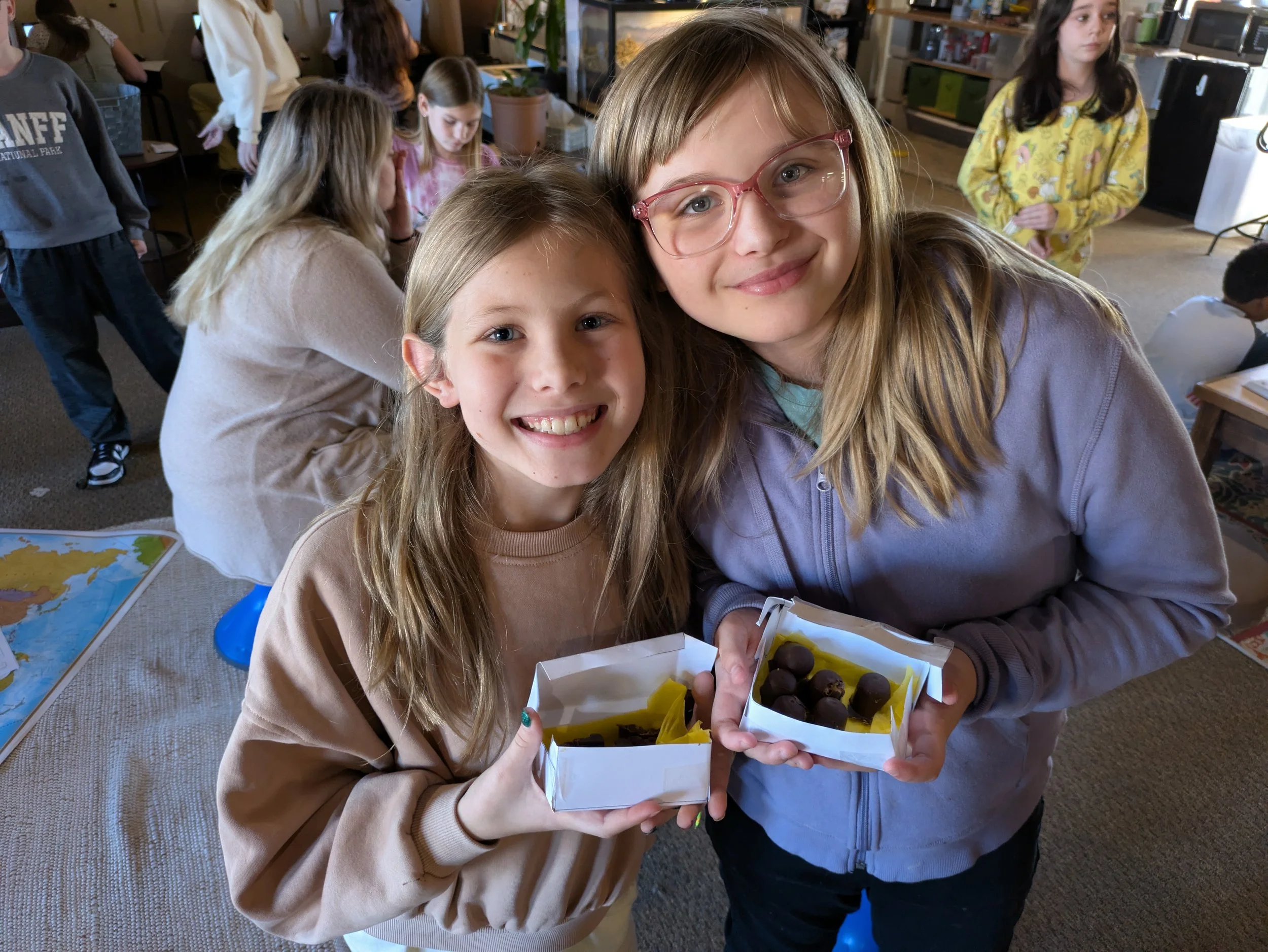
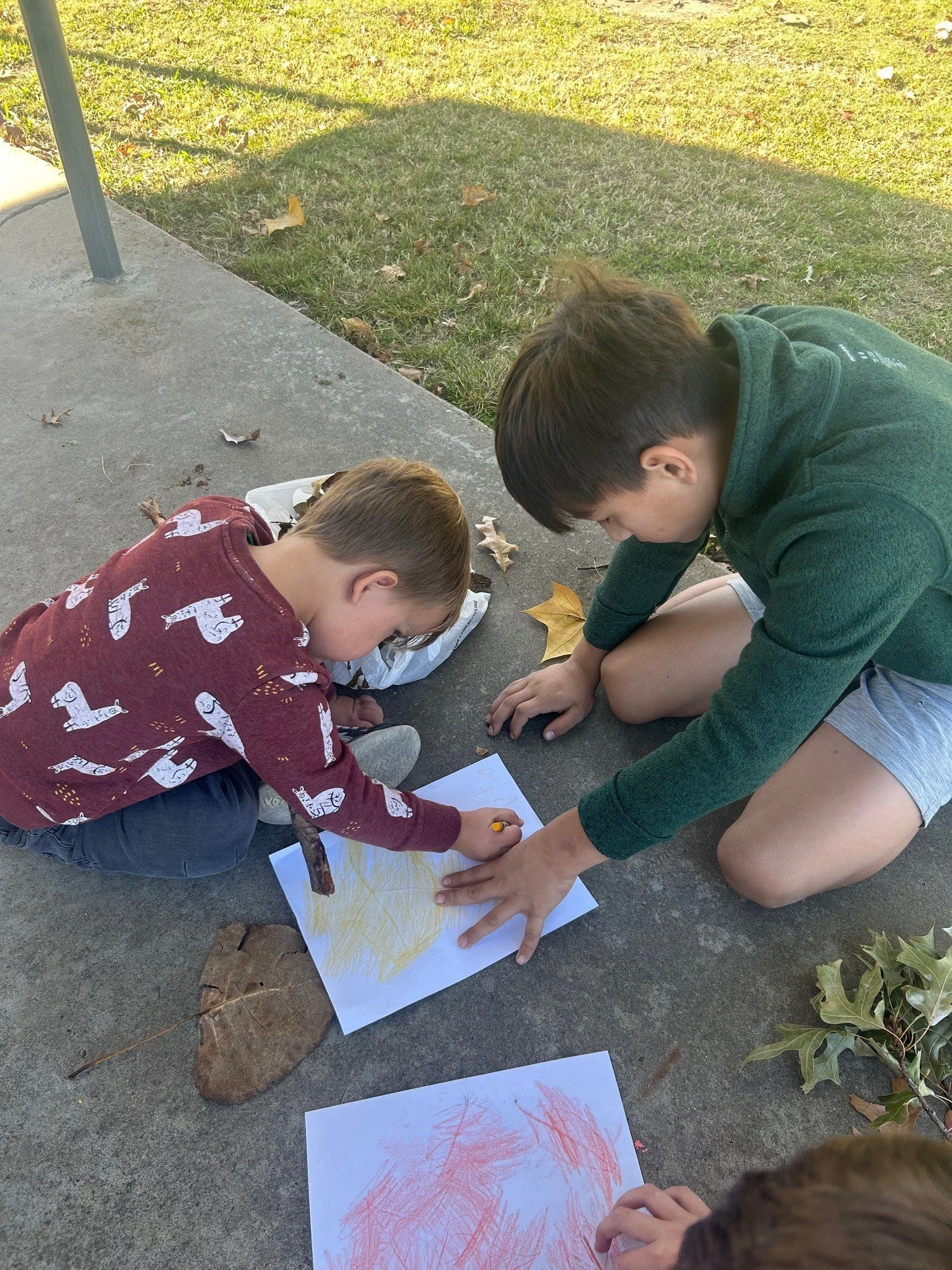
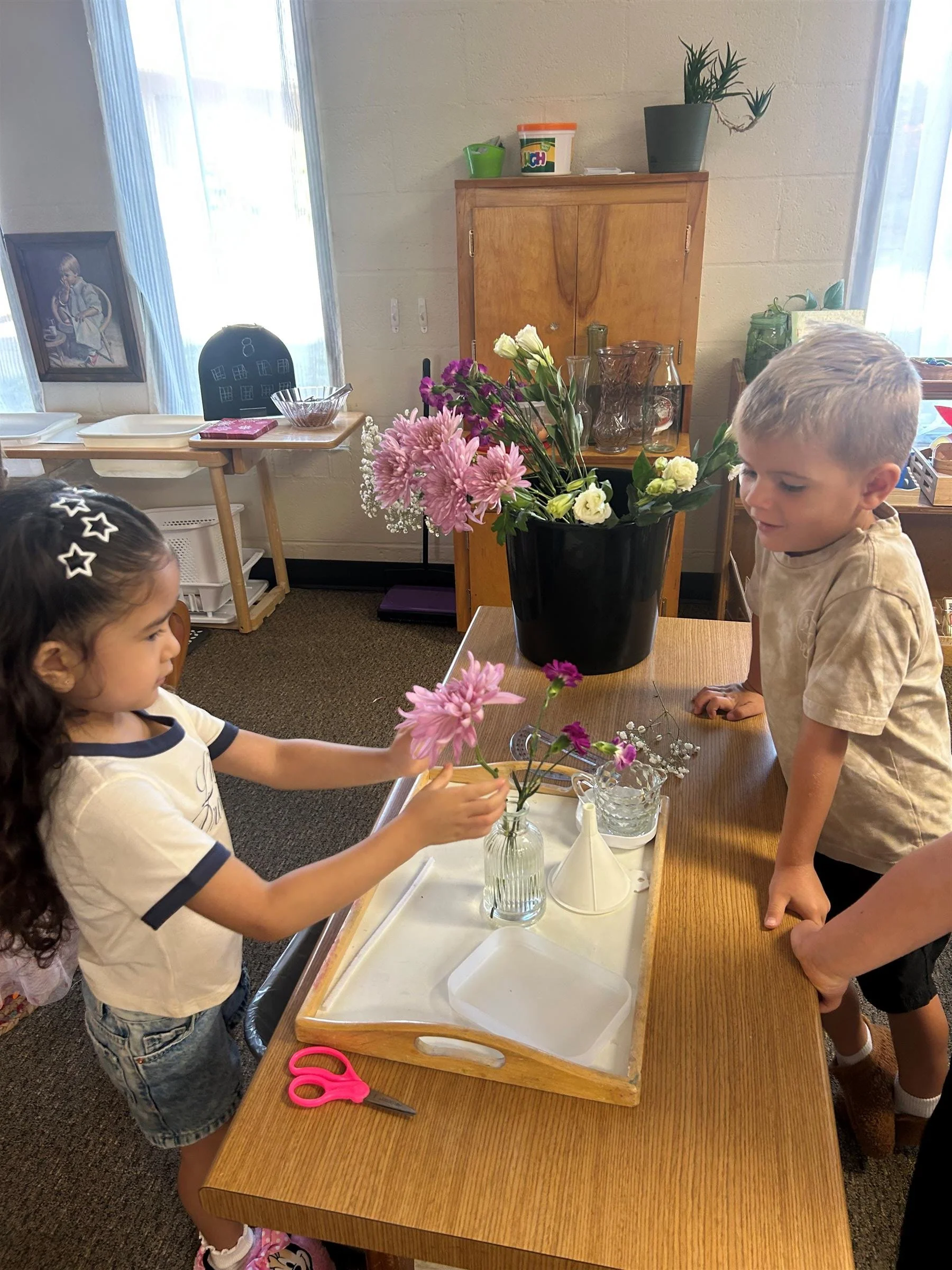
Walk into a Montessori classroom and you may notice something different from a traditional classroom. Children are often moving throughout the room, choosing work, collaborating, caring for materials, helping one another, and contributing to the care of their environment.
These everyday moments are more than classroom routines. They are opportunities to practice stewardship.
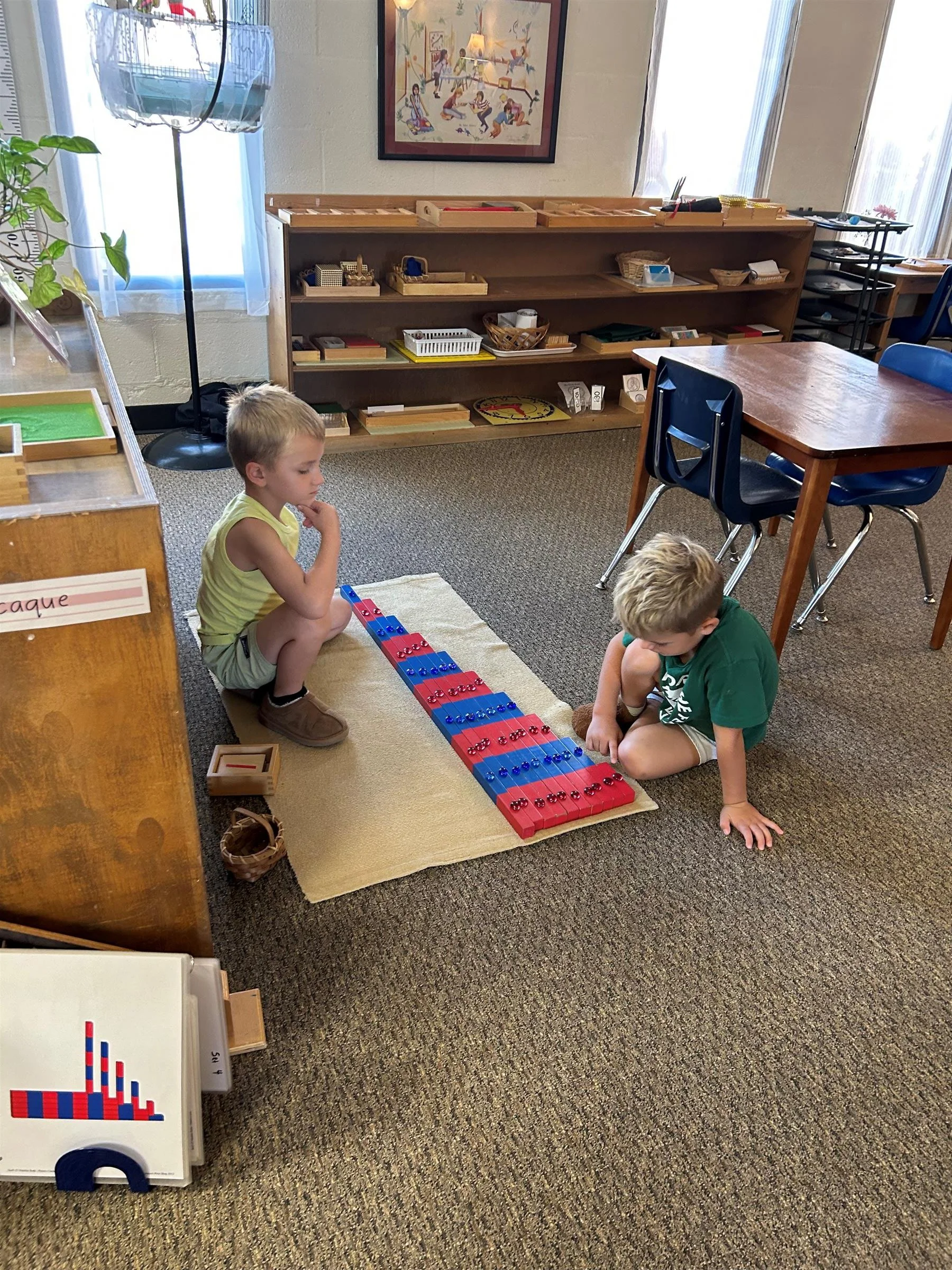
The child who rolls a rug after completing a work is caring for the environment.
The child who helps a friend understand a lesson is developing a heart of service.
The child who patiently waits for a material to become available is practicing respect.
The child who notices that something needs to be cleaned or put away is taking responsibility for the community.
These small actions communicate a powerful message:
You belong here. You are capable. You have something to contribute.
Discovering Gifts Takes Time
One of the beautiful things about Montessori education is that it allows children time.
Time to repeat a lesson, to make mistakes, to try again, to become absorbed in meaningful work, to discover their interests, and to develop skills at their own pace.
A child’s gifts may not always be immediately obvious. Sometimes they emerge slowly through observation, practice, and experience. This is why the Montessori guide observes rather than constantly directs. By watching a child closely, the guide can recognize interests, challenges, strengths, and moments of readiness. When a readiness to move forward is observed, this is when an invitation to a new lesson or concept is offered.
We aren't simply asking, “What can this child do right now?”
We are also asking, “Who is this child becoming, and how can we help them discover the gifts God has placed within them?”
Stewardship of the Gifts We Have Been Given
The final part of 1 Peter 4:10 calls us to be “good stewards of God’s grace in its various forms.”
Stewardship means caring for something entrusted to us.
At CMA, we believe this applies not only to the adults in our community but also to our children. As children develop their abilities, they can begin to understand that their gifts are not simply accomplishments to collect. They are opportunities to contribute.
This changes the way we think about success.
Success is not only getting the right answer.
It is persevering when something is difficult.
It is becoming independent enough to help someone else.
It is using creativity to solve a problem.
It is recognizing when a friend needs encouragement.
It is taking responsibility when we make a mistake.
It is discovering a passion and using it to make the world around us better.
These are the beginnings of a life of purpose and service.
A Gift to Give at Every Age
One of the most beautiful aspects of Montessori education is that children are not viewed simply as future contributors. They are contributors now.
A three-year-old can carefully carry a tray and return it to the shelf or clean an area they notice is messy. Contributing to the care and order of the environment.
An elementary student can mentor a younger child, participate in a group project, or use their knowledge to solve a real-world problem.
A Middle School student can take greater responsibility for their community, work together to accomplish a goal, or use their skills to serve others.
At every age, there are opportunities to say: “I have something to give.”
And as children experience the joy of meaningful contribution, they begin to understand that their presence matters.
Celebrating 20 Years of Gifts
As Christian Montessori Academy celebrates its 20th anniversary, we are especially grateful for the countless gifts that have shaped our school over the years.
The gifts of our students.
The dedication of our teachers.
The support of our families.
The foundation from those who came before us.
The generosity of our community.
And, ultimately, the grace and wisdom God has given to us for the past 20 years.
Our anniversary is not simply a celebration of how long we have existed. It is a celebration of the people who have used their gifts to make CMA what it is today, and of the children who continue to remind us why this work matters.
“As each has received a gift, use it to serve one another.”
This year, we hope to live out this verse together.
We hope to encourage every child to discover their gifts, develop them with purpose, and understand that those gifts are meant to be shared.
Because every child has something to give, has a place in the community, has something to contribute; every child is worthy of being seen, known, and encouraged.
When we give children the freedom, guidance, and opportunity to discover who God created them to be, we help them begin a lifelong journey of using their gifts in service to others.
At Christian Montessori Academy, we believe in educating the whole child, and helping each child discover the gifts they were given to make meaningful contributions to our world.